

The single sharpest fact in one or two punchy sentences. Who did what, where, when, and why it matters. Nigeria has borrowed $1.5 billion from the United Arab Emirates through a financing deal with First Abu Dhabi Bank (FAB). This is the first drawdown of a $5 billion loan package, aimed at refinancing expensive debts, funding infrastructure projects, and supporting the government's budget implementation.
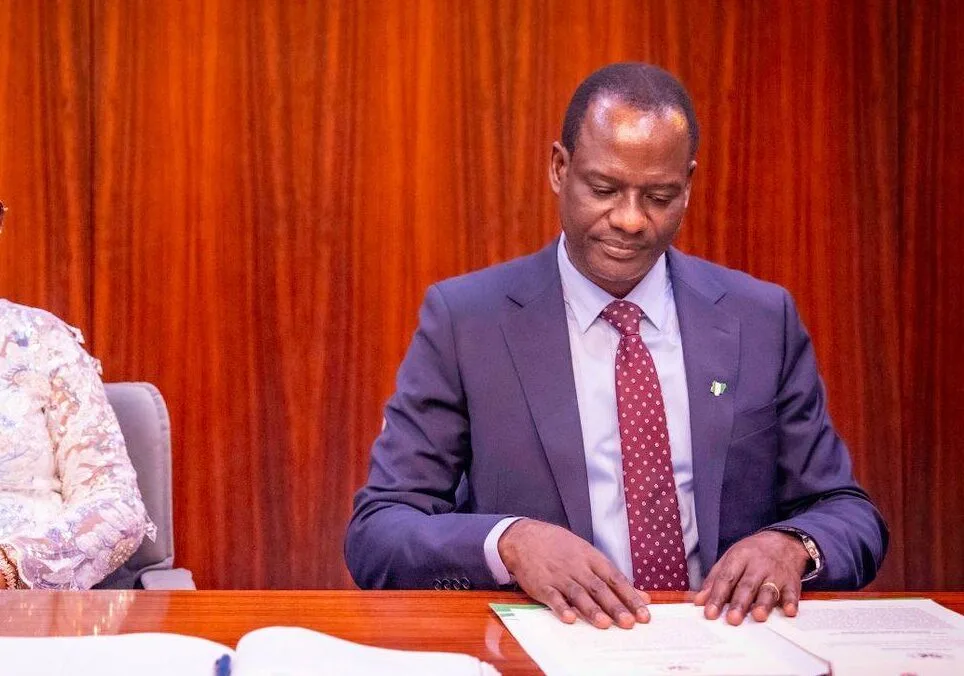
The minister of Finance and Coordinating Minister of the Economy, Taiwo Oyedele, disclosed this after the Federal Executive Council (FEC) meeting in Abuja on Monday. He confirmed that the National Assembly had approved the loan, which would be used to tackle pressing government needs.
Taiwo Oyedele is a Nigerian economist and politician who has been in charge of the finance and economy ministry since 2025. Before becoming a minister, he served as a lecturer at the University of Lagos. Oyedele graduated with a degree in economics from the University of Lagos and later obtained a Master's degree in economics from the University of Ibadan.
The loan facility was structured to enable the government to access funds in tranches, reducing borrowing costs by only paying interest on the amount drawn. According to Oyedele, this approach makes Nigeria even more efficient in its borrowing by taking what it needs at a time. The phased approach is part of the government's broader debt management strategy aimed at lowering financing costs while meeting critical funding needs.
The $5 billion loan is meant to help Nigeria refinance expensive debts, fund critical infrastructure projects, and support budget implementation. By accessing funds in tranches, the government can avoid paying interest on the total amount upfront. This approach is expected to save the government millions of dollars in borrowing costs over the life of the loan.
The First Abu Dhabi Bank (FAB) is a multinational bank based in the United Arab Emirates. It has a presence in several countries across the Middle East and North Africa. The bank has provided financial services to numerous governments and corporate clients across the region.
The Federal Executive Council (FEC) is the highest decision-making body in Nigeria's federal government. The council consists of the president, the vice president, and various ministers. The FEC meeting held on Monday provided a platform for the government to discuss and approve key issues, including the loan from First Abu Dhabi Bank.
Key Facts
- $1.5 billion drawn from the $5 billion loan
- Funds to be used for refinancing debts, infrastructure projects, and budget implementation
- Loan structured to access funds in tranches, reducing borrowing costs
- Government aims to save millions of dollars in borrowing costs
- First Abu Dhabi Bank (FAB) provides financial services to governments and corporate clients across the Middle East and North Africa
- Federal Executive Council (FEC) approves key government decisions, including the loan from FAB
Nigeria's economy has faced significant challenges in recent years, including high inflation, a large trade deficit, and a growing national debt. The government has been working to address these challenges through a combination of economic reforms, infrastructure investments, and fiscal discipline.
The government's debt management strategy aims to strike a balance between meeting critical funding needs and managing debt levels. By accessing funds in tranches, the government can avoid paying interest on the total amount upfront, reducing borrowing costs and saving millions of dollars over the life of the loan.