

The single sharpest fact in one or two punchy sentences. Who did what, where, when, and why it matters. Not a summary of everything — the one thing that makes someone stop scrolling.
A glance at the Nigerian Foreign Exchange Market (NFEM) reveals that the country's currency, the naira, has been trading at an official exchange rate of ₦1,379.80 per United States dollar as of June 30, 2026. This is a stable figure, with the naira remaining within the ₦1,370 to ₦1,380 range seen in recent sessions.
At the parallel market, also known as the black market, the dollar was exchanged at around ₦1,385 for buying and ₦1,400 for selling in major trading hubs, including Lagos and Abuja. This is a slightly higher rate compared to the official market. The spread between the official and parallel market rates remained relatively narrow at about ₦20 per dollar, reflecting improved stability in the foreign exchange market compared with the wider gaps witnessed in previous months.
According to data from the Central Bank of Nigeria (CBN), the official market rate closed at ₦1,379.80/$1 on June 30. The parallel market rates, which are published by market trackers and currency dealers, vary slightly across bureaux de change and locations, depending on transaction size, demand, and prevailing market conditions.
Market players have been monitoring foreign exchange liquidity and dollar demand closely, waiting for the Central Bank to intervene in the market. This move is expected to calm nerves and reassure investors, who have been wary of investing in the country due to the unstable exchange rate in recent times.
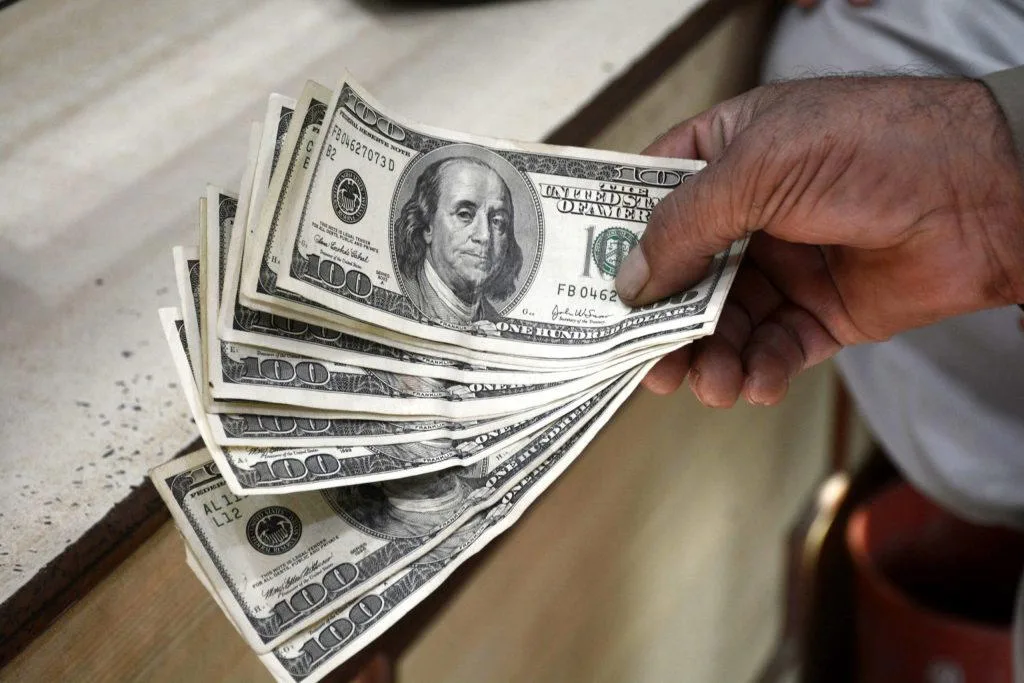
For Nigerians seeking to buy $100 from the parallel market, they will need approximately ₦140,000, while the same amount would cost about ₦137,980 at the official NFEM rate. The slight difference in rates has led some traders to opt for the official market, citing the reduced risk of losses due to fluctuations in the parallel market rates.
Naira Traders Face Uncertainty in Unstable Market
The Nigerian naira has been facing significant challenges in the foreign exchange market, with many traders struggling to cope with the rapid fluctuations in the exchange rate. The rise in the parallel market rate has led to increased costs for importers and exporters, who rely on the exchange rate to determine their profit margins.
As the country continues to navigate these challenges, many Nigerians are left wondering what the future holds for the naira. Will the government intervene to stabilize the market, or will the parallel market continue to set the tone for exchange rates? Only time will tell, but one thing is certain - the naira's stability is crucial to the country's economic growth and development.
Market players must navigate the uncertainty and make informed decisions to minimize losses and maximize profits.
The post Naira Traders Breathe Sigh of Relief as Parallel Market Rate Narrowly Follows Official Rate appeared first on Vanguard News.