

The Federal Government has suspended its planned review of registration fees for the 2027 West African Senior School Certificate Examination (WASSCE) and National Examinations Council (NECO) exams amidst widespread outrage.
A statement released by Folasade Boriowo, Director of Press and Public Relations for the Federal Ministry of Education, announced the suspension, citing the need for a comprehensive review and broader stakeholder consultations. According to the statement, the initial proposal was driven by current economic realities and the escalating cost of administering credible national examinations.
In June 2026, the Ministry of Education had proposed a uniform registration fee of ₦50,000 for the 2027 WAEC and NECO exams, up from ₦27,000 for WAEC and ₦30,000 for NECO. The proposal was met with widespread criticism from Nigerians, with many arguing that the increased fees would place an undue burden on parents and students.
The proposed review of examination registration fees will not take effect, pending the conclusion of the consultation process. The Ministry of Education has stated that the welfare of students, equitable access to quality education, and responsible policy decisions remain at the heart of the Renewed Hope Agenda of President Bola Ahmed Tinubu for the education sector.
The review process will involve examination bodies, State Ministries of Education, school proprietors and administrators, parents' associations, organized labour, education stakeholders, and other critical partners. The Ministry has acknowledged concerns and constructive feedback from the public and appreciated the keen interest shown by Nigerians in matters relating to access to quality education.
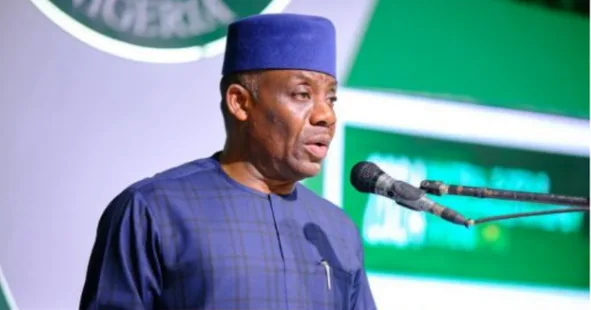
Dr. Maruf Tunji Alausa, Minister of Education, has directed that the proposal be placed on hold in line with the Federal Government's commitment to inclusive, transparent, and evidence-based policymaking. The Ministry has emphasized its determination to ensure policies affecting millions of Nigerian students and their families are carefully considered, adding that such policies must be socially responsive and reflect the collective interest of the nation.
The suspension of the proposed fee hike has been met with relief from many Nigerians, who have been advocating for affordable education. The Federal Government's decision to suspend the proposal has been hailed as a step in the right direction, with many hoping that the review process will yield a more sustainable and equitable solution for Nigeria's education sector.
In related news, the National Examination Council (NECO) has been under scrutiny for a number of recent errors, including incorrect results and missed deadlines. The NECO has promised to improve its operations, but critics have argued that more needs to be done to ensure the integrity of the examination process.
The Federal Government's decision to suspend the proposed fee hike is a welcome development, but it remains to be seen what the outcome of the review process will be. As Nigeria's education sector continues to grapple with issues of affordability and access, one thing is certain: the welfare of students and the collective interest of the nation must remain at the heart of any policy decision.
The renewed Hope Agenda of President Tinubu has emphasized the need for inclusive and evidence-based policymaking. The education sector has been identified as a priority area, with a particular focus on improving access to quality education for all Nigerians.
As the review process kicks off, stakeholders are expected to engage in a series of consultations to address concerns and identify a more sustainable solution. The outcome of the review process will be crucial in determining the future of education in Nigeria.
### Key Facts
- The proposed review of examination registration fees was initially driven by current economic realities and the escalating cost of administering credible national examinations.
- The Federal Government proposed a uniform registration fee of ₦50,000 for the 2027 WAEC and NECO exams.
- The proposed review of examination registration fees will not take effect, pending the conclusion of the consultation process.
- The review process will involve examination bodies, State Ministries of Education, school proprietors and administrators, parents' associations, organized labour, education stakeholders, and other critical partners.
- The Ministry of Education has emphasized its determination to ensure policies affecting millions of Nigerian students and their families are carefully considered.