

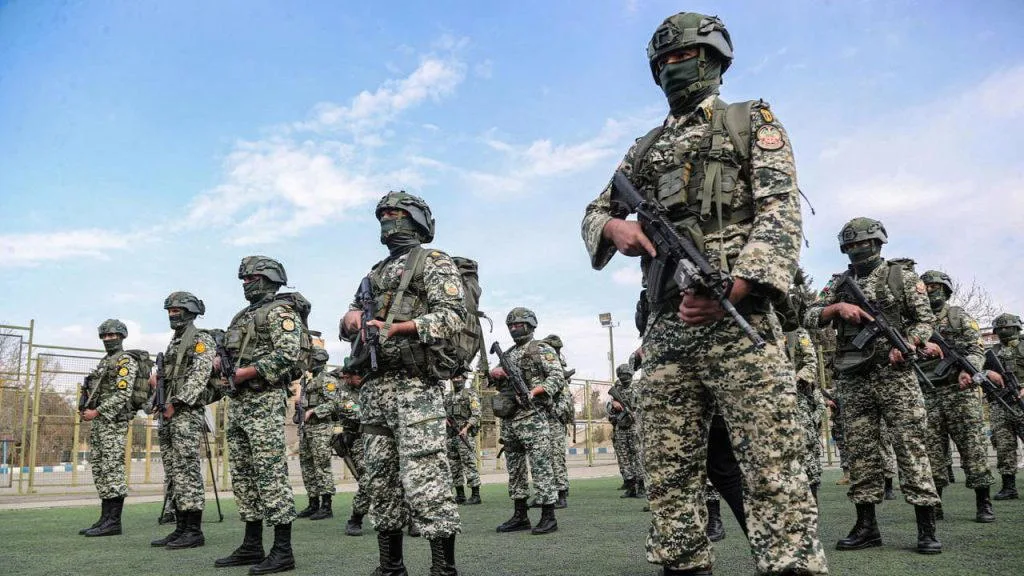
Iran's military spokesman, Mohammad Akraminia, said on Wednesday that Tehran's control over the Strait of Hormuz could generate significant economic revenue and strengthen the country's international position.
The Strait of Hormuz is a vital waterway that accounts for roughly a fifth of global oil and liquefied natural gas shipments. Iran has largely blocked shipping through the strait since the outbreak of war with the United States and Israel on February 28.
Control and Revenue
Akraminia added that the western part of the strait was controlled by the naval forces of the Revolutionary Guards, while the eastern section was overseen by the Iranian navy. He stated that Iran's oversight of the Strait of Hormuz will generate significant economic revenues for the country. This could potentially even double its oil income.
Negotiations and Blockade
Iran's control over the strait remains one of the key sticking points in negotiations with the United States. These negotiations have so far failed to produce a breakthrough. The United States has imposed its own naval blockade on Iranian ports, despite a fragile ceasefire in place since April 8.
Tolls and Management
Last month, Iranian deputy speaker of parliament Hamidreza Hajibabaei said Tehran had received its first revenues from tolls imposed on vessels crossing the strait. Ebrahim Azizi, head of the Iranian parliament's national security commission, said his committee had finalised a plan to manage the waterway.
Context and Background
The Strait of Hormuz is a strategic location that connects the Persian Gulf to the Gulf of Oman. It's a crucial route for global oil and gas shipments, with many countries relying on it for their energy needs.
Key Figures
Mohammad Akraminia is the military spokesman for Iran. Ebrahim Azizi is the head of the Iranian parliament's national security commission. Hamidreza Hajibabaei is the deputy speaker of the Iranian parliament.
Economic Impact
The blockade of the Strait of Hormuz has rattled global markets and given Tehran significant leverage. The impact on global oil prices has been significant, with many experts warning of a potential economic crisis.
Future Developments
The situation with Iran's control over the Strait of Hormuz is being closely watched by global leaders. They're concerned about the potential consequences of a prolonged blockade. The blockade's effects on the country's economy and international relations are still unfolding.
The conflict between Iran and the United States has been escalating in recent months. Both countries are engaging in a war of words and military posturing. The situation is volatile, and many experts warn of a potential military conflict.
Global Response
The international community has been calling for a peaceful resolution to the conflict. Many countries are urging Iran and the United States to engage in diplomatic talks. However, the situation remains tense, and it's unclear how the conflict will be resolved. The international community is still working towards a peaceful resolution.