

At the Chelsea flower show in west London, a unique garden is opening its doors to the public. The Sightsavers sensory garden, designed by Peter Karn, Janice Molyneux, and Sarah Fisher, invites visitors to experience nature through all five senses. This immersive sensory experience allows visitors to touch, smell, taste, hear, and see the natural world in a way that's accessible to everyone, including those with disabilities.
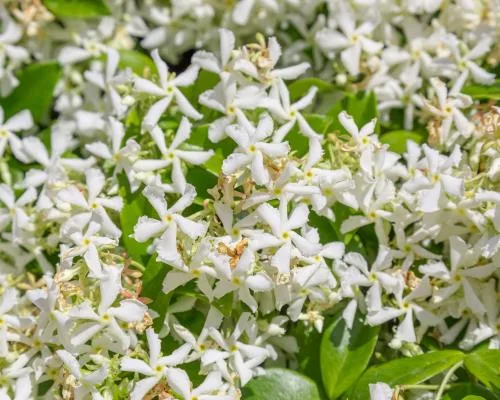
The garden features a variety of plants with unique textures and scents. Visitors can touch the soft leaves of the Stachys byzantina, also known as lamb's ear, and smell the fragrant star jasmine. They can also taste a selection of herbs, including fennel, dill, rosemary, and thyme, as well as the edible flowers of nasturtium and chives. The garden's designers have chosen plants that aren't only pleasant to taste and smell but also safe to touch and explore. They've made sure to select plants that are easy to interact with, which makes the garden a great place for visitors to learn about nature.
"A garden can be more than just a nice space to look at. It can be an immersive sensory experience," said Peter Karn. "And the more sensory elements like texture, flavour, and aroma we can work into a garden, the more accessible it's going to be for lots of different groups." Peter Karn believes that gardens should be designed to be enjoyable for everyone, regardless of their abilities. He thinks that by incorporating sensory elements, gardens can become more inclusive and fun for all visitors.
The garden is designed to be accessible to all, including children, wheelchair users, and those who have lost or are losing their sight or other senses. The planting is done in a way that ensures there aren't any harmful plants, and visitors can safely interact with the natural world. The garden's designers have also incorporated a "sensory soundscape" inspired by the bioelectric signals of the surrounding plants, which will be played on hidden loudspeakers throughout the garden. This soundscape is a unique feature that allows visitors to experience the garden in a new way.
The soundscape was created by composer Dr Helen Wilson, who recorded the bioelectric signals of the plants using crocodile clips and sensors. She then interpreted the patterns of the plants' "aliveness" and used them to compose a 30-minute sound installation. The soundscape features rhythms and melodic phrases that reflect the unique characteristics of each plant, including the "gold dust" plant, which has a delicate, intricate pattern. Dr Wilson's composition is a key part of the garden's sensory experience, and it helps visitors to connect with nature in a deeper way.
The Sightsavers sensory garden isn't just a beautiful space to visit; it also reflects the charity's mission to promote equality of opportunity for people with disabilities. The garden's designers hope that it will inspire visitors to think about how they can create accessible and inclusive spaces in their own communities. By providing a space where people of all abilities can connect with nature, the garden is helping to promote a sense of belonging and well-being. The garden's designers believe that everyone deserves to experience the joy of nature, and they've designed the garden to be a welcoming place for all.
The Chelsea flower show, which runs from Tuesday, is expected to attract hundreds of thousands of visitors from around the world. The Sightsavers sensory garden is just one of the many attractions that will be on display, but it's likely to be one of the most unique and memorable. As Peter Karn said, "Gardens should be universally accessible places for everyone." He thinks that gardens like the Sightsavers sensory garden can help to make the world a more inclusive place, one garden at a time.
- The Sightsavers sensory garden is located at the Chelsea flower show in west London.
- The garden is designed by Peter Karn, Janice Molyneux, and Sarah Fisher.
- The garden features plants with unique textures and scents, including the Stachys byzantina and star jasmine.
- The garden includes a "sensory soundscape" inspired by the bioelectric signals of the surrounding plants.
- The soundscape was created by composer Dr Helen Wilson.
The Sightsavers sensory garden is a testament to the power of design to create inclusive and accessible spaces. By incorporating sensory elements and accessible design, the garden's creators have created a space that's truly universal. As visitors explore the garden, they'll be inspired to think about how they can create similar spaces in their own communities, promoting a sense of belonging and well-being for all. The garden's designers hope that it will inspire a new wave of accessible and inclusive garden design, and they believe that it can help to make a positive impact on people's lives.
The garden's focus on accessibility and inclusivity is also reflected in its design. The garden is laid out in a way that allows visitors to easily navigate the space, with a clear path and plenty of seating areas. The plants are chosen for their sensory qualities, but also for their ease of maintenance, making it possible for visitors to imagine creating a similar garden in their own homes. The garden's designers have thought carefully about how to make the garden accessible, and they've included features like wide paths and gentle slopes to make it easy for everyone to get around.
As the Chelsea flower show gets underway, the Sightsavers sensory garden is sure to be a highlight. With its unique blend of sensory experiences and accessible design, it's a must-visit destination for anyone interested in gardening, accessibility, or simply experiencing the natural world in a new way. The garden is a great place to learn about nature, and it's also a lot of fun. Visitors can explore the garden, touch the plants, and listen to the soundscape, all while enjoying the beautiful surroundings.
The Sightsavers sensory garden is also a reminder of the importance of connecting with nature for our well-being. As Janice Molyneux said, "Connecting with nature has been proven to be so great for our wellbeing." By providing a space where people of all abilities can connect with nature, the garden is helping to promote a sense of belonging and well-being. Janice Molyneux believes that nature has the power to heal and inspire, and she thinks that the garden is a great example of how this can happen. She hopes that the garden will inspire visitors to get outside and enjoy nature, and to appreciate its beauty and importance.
In the context of the Chelsea flower show, the Sightsavers sensory garden is a unique and welcome addition. The show, which attracts hundreds of thousands of visitors each year, is known for its beautiful gardens and innovative designs. The Sightsavers sensory garden is a standout example of how gardening can be made accessible and inclusive, and it's sure to inspire visitors to think about how they can create similar spaces in their own communities. The garden's designers are proud to be a part of the Chelsea flower show, and they're excited to share their creation with the world.
As the garden's designers look to the future, they hope that the Sightsavers sensory garden will inspire a new wave of accessible and inclusive garden design. By showing that gardens can be more than just beautiful spaces, but also immersive sensory experiences, they hope to promote a sense of belonging and well-being for all. As Peter Karn said, "Gardens should be universally accessible places for everyone." The Sightsavers sensory garden is a powerful example of how this vision can be realized, and it's sure to be a highlight of the Chelsea flower show for years to come. The garden's designers are already thinking about how they can build on their success, and they're looking forward to seeing the impact that the garden will have on people's lives.