

Pasta is one of the most popular dishes in the world, but cooking it can be a real challenge. Especially when it comes to shapes like orecchiette, which can stick together in a big clump. This happened to David from Manchester, who spent half an hour trying to separate his orecchiette after cooking. He didn't expect it to be so difficult.
Dara Klein, a chef at Tiella in east London, says that cooking pasta isn't a passive activity. You need to pay attention to it, like you would to a friend. This means you don't just throw the pasta into boiling water and walk away. Rachel Roddy, the Guardian's Italian correspondent, agrees. She says that orecchiette is a particularly vulnerable shape because it has a habit of falling into each other. They're more likely to clump together than other shapes.
To prevent this from happening, Roddy and Klein recommend a few simple steps. First, you should make sure the water is fast boiling and add salt. Then, you should stir the pasta immediately after adding it to the water. This double movement helps to prevent the pasta from sticking together. It's also important not to add all the pasta at once, but instead to rain it into the water gradually. This helps to prevent clumping.
"It's always the same rules," Roddy says. "The water should be fast boiling, add salt, then stir, so you've got that double movement." She's right, it's all about the basics.
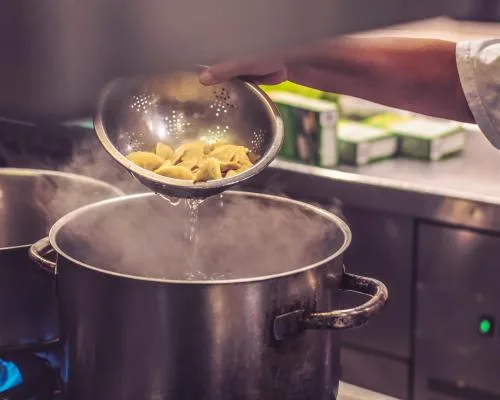
Klein and Roddy also advise against adding olive oil to the water, as it's not necessary and can even make the pasta more likely to stick together. Instead, they recommend stirring the pasta every minute to ensure that the shapes float free. Once cooked, it's best to scoop out the pasta with a slotted spoon or sieve and put it in a big bowl. This helps to prevent the pasta from clumping together as it cools. You don't want it to stick together after you've worked so hard to cook it.
When it comes to one-pot dishes, Roddy warns that using shapes like orecchiette can be tricky. The starch released into the water can act like glue, causing the pasta to stick together. To avoid this, she recommends adding the pasta gradually and keeping the water moving. For pasta salads, it's best to cook the pasta only to just al dente, as overcooking can make it sticky. You can't overcook it, or it won't be enjoyable.
In addition to these tips, Klein and Roddy emphasize the importance of movement and space when cooking pasta. This means you shouldn't overcrowd the pot and you should give the pasta enough room to cook evenly. By following these simple tips, you can cook perfect pasta every time, without the hassle of clumping. It's all about paying attention to the details.
As for David from Manchester, he can try these tips next time he cooks orecchiette. With a little practice and patience, he should be able to achieve perfectly cooked pasta without the clumping. And for those who are new to cooking pasta, these tips can help to build confidence in the kitchen. They'll be cooking like pros in no time.
In the world of cooking, there are many techniques and tips that can make a big difference in the final result. When it comes to cooking pasta, it's all about the details. From the type of pasta to the cooking time, every aspect plays a role in creating a delicious dish. By mastering these simple tips, home cooks can take their pasta dishes to the next level. They won't be disappointed.
One of the most common mistakes people make when cooking pasta is overcooking it. This can make the pasta mushy and unappetizing. To avoid this, it's best to cook the pasta until it's just al dente, then drain it and add your favorite sauce. This helps to preserve the texture of the pasta and creates a more enjoyable eating experience. You don't want to ruin a good dish by overcooking it.
Cooking pasta can be a challenge, but with the right tips and techniques, it can be easy and enjoyable. By following the advice of experts like Dara Klein and Rachel Roddy, home cooks can create delicious pasta dishes that are sure to impress. They'll be happy with the results.
Key Facts
- Orecchiette pasta is prone to sticking together due to its shape
- Fast boiling water, salt, and stirring can help prevent clumping
- Adding olive oil to the water is not recommended
- Cooking pasta only to just al dente can help prevent stickiness
- Movement and space are key when cooking pasta