

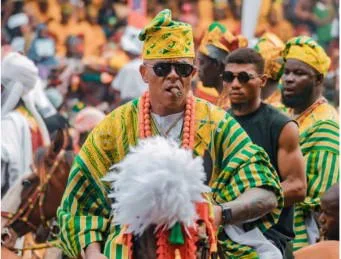
The dust is settling on the grounds of Ijebu-Ode today, where the air is filled with the sounds of talking drums and the thundering hooves of horses, marking the return of the Ojude Oba festival. The royal throne of the Awujale sits in a transition period following the death of the long-reigning monarch, but the people have decided that the rhythm of their heritage can't be silenced by a change in leadership.
"Suspending the festival because of the absence of a substantive Awujale would negatively affect the economy, tourism potential, and global reputation of Ijebuland." — Chief Fassy Adetokunboh Yusuf.
This isn't just another street party – it's a high-stakes cultural machine. For decades, the festival has served as the annual heartbeat of the Ijebu economy. Hotels are fully booked, tailors have been sewing for weeks to perfect Aso-Ebi fabrics, and local vendors are making their biggest sales of the year during these few days. Thousands of tourists and members of the diaspora descending on Ogun State create a massive ripple effect on the local economy.
A Legacy of Leadership
The late Awujale of Ijebuland, Oba Sikiru Kayode Adetona, held the staff of office for over sixty years. His passing in July 2025 marked the end of an era, but his influence on this festival remains written in stone. He was the one who pushed to turn a simple royal homage into a global brand by opening the doors to corporate sponsors and international media. This ensured that the festival didn't stay within the palace walls, but moved onto the world stage.
His vision transformed the festival, featuring the 'Regberegbe' groups – age grades competing to show who has the most style and the most numbers. You'll see them in coordinated outfits that look like a walking fashion runway. Following them are the Balogun warrior families, whose horse-riding displays turn the event into an adrenaline-filled show of bravery. These families trace their history back to the old wars of the Yoruba kingdom, and they take their annual parade very seriously.
More Than Just Tradition
For the younger generation, Ojude Oba is the perfect Instagram moment, but it's also a bridge. Many Ijebu descendants living abroad use this time to fly home, reconnect with their roots, and spend money that keeps local businesses afloat. The festival serves as an informal diplomatic event where people exchange ideas, build networks, and reinforce the identity of the Ijebu people in an increasingly globalized world.
As the sun beats down on the parade route today, the lack of a king might feel different, but the intent is the same. The organizers, led by the Coordinator of the Ojude Oba Festival Organising Committee, Chief Fassy Adetokunboh Yusuf, argue that the institution of the festival is now bigger than any one person. They've turned what used to be a private tribute to the monarch into a public festival of commerce and culture, and the community is rallying behind it.
If you find yourself in Ijebu-Ode today, you won't just see horses and beads. You'll see an entire community betting on its own resilience. They've learned that if they wait for the perfect conditions to celebrate, they might never celebrate at all. By pressing ahead, they're keeping their tourism brand alive and reminding everyone that Ijebuland is still very much open for business.