

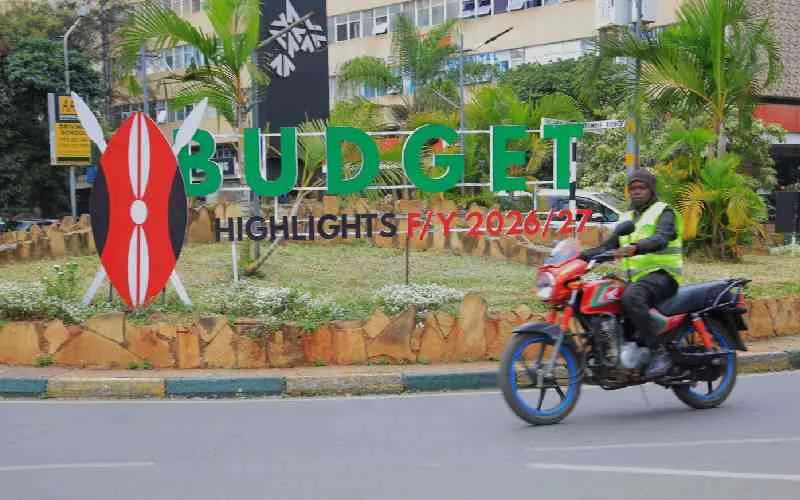
Treasury CS John Mbadi presented a Sh4.8 trillion budget on Thursday, and the response from the people it's supposed to help? A loud 'meh'.
They've termed it a budget for the elite — one with little deliberate plan to cushion the ordinary Kenyan from the high cost of living.
Mbadi, who was appointed by President William Ruto in August 2024 after the previous CS, Njuguna Ndung'u, was reshuffled, promised the budget would focus on economic transformation. But 'hustlers' — the very group Ruto campaigned on uplifting — aren't buying it.
The budget, the largest in Kenya's history, allocates Sh1.2 trillion to recurrent expenditure, including salaries and operations. Only Sh800 billion goes to development projects. Critics say that ratio alone shows where priorities lie.
Tax collection is projected at Sh3.3 trillion, meaning the government will borrow Sh1.5 trillion to fill the gap. That debt, ordinary Kenyans argue, will eventually be paid through higher taxes and more levies on essentials like fuel and food.
The Kenya Kwanza administration has been pushing a 'Bottom-Up Economic Transformation Agenda', but many see this budget as top-down. The cost of living has remained stubbornly high since Ruto took office in September 2022, with prices of maize flour, cooking oil, and kerosene still squeezing households.
Mbadi defended the budget, saying it will create jobs and spur growth. But for a mother in Mathare who can't afford a 2kg packet of unga, those promises sound hollow.
Key Facts
- Total budget: Sh4.8 trillion
- Recurrent expenditure: Sh1.2 trillion
- Development expenditure: Sh800 billion
- Projected tax revenue: Sh3.3 trillion
- Expected borrowing: Sh1.5 trillion
Economists have pointed out that such high borrowing crowds out private investment and piles pressure on the shilling. The Kenya Shilling has lost over 20% of its value against the dollar since 2022, making imports — including food and fuel — more expensive.
Meanwhile, the government has introduced new taxes in the Finance Bill 2026, including a 1.5% housing levy on all salaried workers and an increase in VAT on petroleum products from 8% to 16%. These measures, meant to raise revenue, directly hit the pockets of the same people Mbadi claims to be helping.
Opposition figures, including Raila Odinga's ODM party, have called the budget 'anti-people'. They argue that without subsidies or direct cash transfers, the ordinary Kenyan will continue to suffer.
So what now? The budget goes to Parliament for debate. MPs can amend it, but the ruling Kenya Kwanza coalition has a majority. Kenyans can only watch and hope their representatives remember who sent them to Nairobi.