

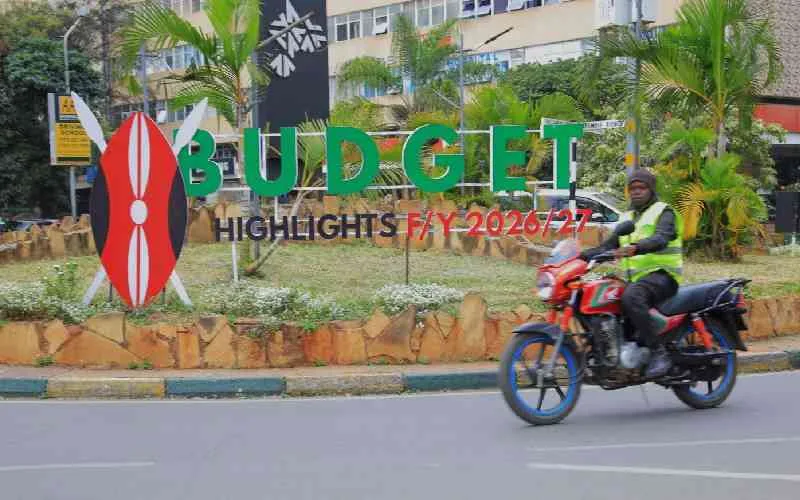
Treasury Cabinet Secretary John Mbadi presented a Sh4.8 trillion budget on Thursday, and within hours, the verdict from the people it's supposed to help was clear: this budget is for the elite, not for the hustler.
Kenyans on the ground — the small-scale traders, the boda boda riders, the mama mbogas — say the plan has little deliberate effort to cushion them from the punishing cost of living. They call it a budget that talks about growth but forgets the people who are barely surviving.
Mbadi, who took over the Treasury docket in August 2024 after President William Ruto reshuffled his cabinet, has been selling the budget as a roadmap to economic transformation. But for many, the numbers don't match the reality on the ground.
The Sh4.8 trillion figure is the largest in Kenya's history. But size alone doesn't impress a person who can't afford a kilo of sugar. What matters, they say, is where the money is going — and from where it's being taken.
Critics point to the continued reliance on taxation as a key flaw. The budget maintains high taxes on fuel, essential goods, and digital transactions — the very things that hit low-income earners hardest. There's no significant reduction in VAT or income tax for the lower brackets.
Instead, the budget allocates heavily to infrastructure, energy, and flagship projects under the Bottom-Up Economic Transformation Agenda. But hustlers argue these long-term projects don't put food on the table today.
The allocation for social protection programmes, including cash transfers for the vulnerable, remains modest relative to the scale of need. Many feel the government is still spending more on itself than on the people.
Mbadi defended the budget, saying it balances growth with fiscal discipline. But for a mother in Mathare who has seen the price of cooking oil double in two years, that argument falls flat.
They termed it a budget for the elite, with little deliberate plans to cushion the ordinary Kenyan from the high cost of living.
This isn't the first time a Ruto budget has faced such backlash. Last year's Sh3.9 trillion budget was also criticised for being heavy on taxes and light on relief. The difference this time is the sheer size — and the growing frustration.
Kenya's economy is struggling with high unemployment, a weakening shilling, and debt repayments that eat up a huge chunk of revenue. The government spends about 60% of its tax income just on servicing debt. That leaves little room for the kind of direct support people want.
For the millions of Kenyans who voted for Ruto on the promise of a "hustler-friendly" government, this budget feels like a betrayal. They see a plan that protects the wealthy and leaves them to fend for themselves.
The National Assembly will now debate the budget for the next month. Amendments are possible, but the big picture — the spending priorities and the tax burden — is unlikely to change dramatically.
What happens next? The Finance Bill will go through committee stages, and the public will have a chance to submit memoranda. But hustlers say they've done that before, and nothing changed.
For now, the verdict on Mbadi's Sh4.8 trillion budget is in: it's a budget for the few, and the many aren't buying it.