

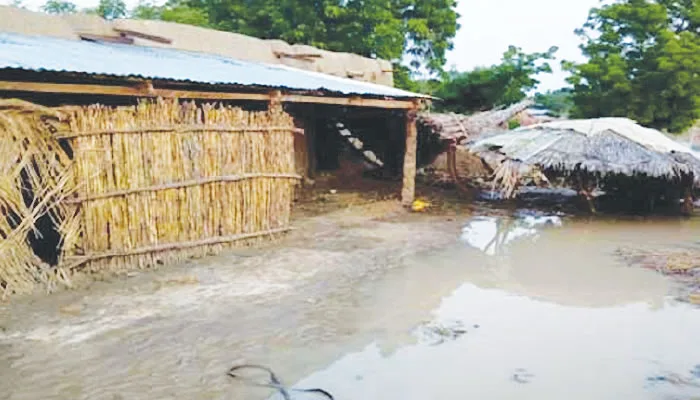
The rainy season has become a 'season of death' for many families in Zamfara State, according to Médecins Sans Frontières (MSF). The organisation has raised alarm over the worsening health and humanitarian conditions in the state, where the annual rains drive deadly outbreaks of malaria, cholera, typhoid, and acute malnutrition. They can't ignore the severity of the situation, and it's clear that action is needed.
MSF's Nursing Activity Manager at the hospital in Zamfara, Sani Adamu, explained that the rainy season increases the risks and transmission of many diseases. It's a challenging time for them, he said. Flooding, stagnant water, poor sanitation, and overcrowded living conditions are perfect breeding grounds for mosquitoes and other disease-carrying insects. They're ideal conditions for disease to spread quickly.
The organisation treated 136,778 malaria patients in Zamfara State in 2025 alone. They also treated 13,877 cholera cases in the same period. The growing burden of typhoid-related complications, especially among children, is another major concern. Auwalu Biliya from Shinkafi Local Government Area is one such case. He developed severe typhoid complications after consuming contaminated food and water. He didn't receive timely treatment, which made his condition worse.
Early treatment is crucial, Adamu explained. When treatment is delayed, the intestine can perforate, a severe condition where the intestine ruptures. At that stage, complications can be fatal, and surgery is the only option. It's a serious condition that can't be ignored. Delayed treatment won't help, and it's essential to act quickly.
Beyond disease outbreaks, the rainy season also coincides with the annual lean season, when food supplies are depleted, and malnutrition rates rise sharply. MSF treated 60,566 malnourished children in Zamfara in 2025. Children under 15 and pregnant women remain the most vulnerable. They're at a higher risk of malnutrition due to lack of food and poor living conditions.
The organisation operates or supports four healthcare facilities across northern Nigeria to manage seasonal disease outbreaks and malnutrition cases. They're calling for urgent preventive measures, including improved access to clean water and sanitation, stronger vaccination campaigns, and better-equipped healthcare facilities to reduce illness and mortality during the rainy season. It's essential to take preventive measures to reduce the risk of disease outbreaks.
Saratu, a displaced mother, described the hardship faced by many families seeking medical care. We live close to the river and sleep in the bush, she said. We don’t have mosquito nets. During the rainy season, a lot of children get malaria. One child recovers, and another falls sick. Sometimes three of your children are ill at the same time, and you don’t know what to do. It's a challenging situation for families, and they need support.
The Nigerian government needs to take immediate action to address the humanitarian crisis in Zamfara State. The rainy season is an annual event, and it's not unexpected. However, the government's response to the crisis has been inadequate. It's time for the government to step up and provide the necessary support to the people of Zamfara State. They can't afford to wait, and action is needed now.
- 136,778 malaria patients were treated by MSF in Zamfara State in 2025.
- 13,877 cholera cases were treated by MSF in Zamfara State in 2025.
- 60,566 malnourished children were treated by MSF in Zamfara in 2025.
- Four healthcare facilities are operated or supported by MSF across northern Nigeria.
- The rainy season in Zamfara State usually begins between May and September.
The situation in Zamfara State is dire, and it requires immediate attention. The government, along with humanitarian organisations like MSF, needs to work together to provide the necessary support to the people of Zamfara State. It's time to take action and prevent further loss of life. They must work together to address the crisis.
As the rainy season continues, the people of Zamfara State will continue to suffer. It's not just a matter of providing medical care; it's also about providing food, shelter, and sanitation. The government needs to take a holistic approach to address the crisis. The people of Zamfara State deserve better, and it's time for the government to deliver. They won't get the support they need if the government doesn't act now.