

The single sharpest fact in one or two punchy sentences. Who did what, where, when, and why it matters. Not a summary of everything — the one thing that makes someone stop scrolling.
Ghana's plastic manufacturers are in a financial crisis, warning of widespread job losses and capital flight if the January 2027 Styrofoam ban is enforced. The Ghana Plastic Manufacturers' Association (GPMA) has appealed to President John Dramani Mahama to extend the implementation date to January 1, 2030, citing that the current seven-month transition period is grossly insufficient.
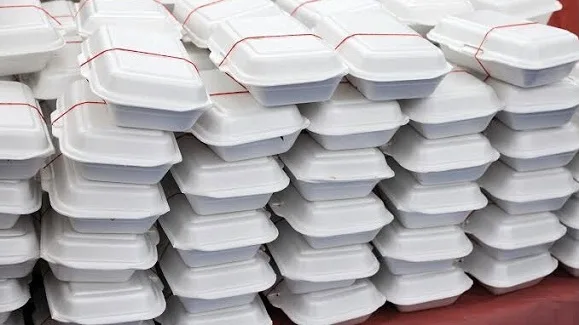
The GPMA represents over 171 production factories nationwide, with estimated investments of GH¢1.493 billion in plant and machinery dedicated to Styrofoam food packaging production. These investments were made under the existing regulatory framework, and therefore, a sudden transition presents serious financial challenges. The association has proposed an 18-month transition period as a minimum, once all necessary conditions are in place.
The GPMA stressed that plastic manufacturing is a significant contributor to Ghana's economy, directly employing over 41,395 people and supporting an estimated 1.89 million jobs in the plastic waste recycling sector. Total employment generation by the plastic industry is about 3.71 million, and about 92% of industries in Ghana depend on the plastic industry for all their plastic packaging needs.
The industry also exports over 57% of its products across the ECOWAS region and beyond, including Angola, Namibia, the Democratic Republic of Congo, and Algeria, making it one of Ghana's top five commodity exports. The GPMA warned that an outright ban would increase dependence on imported alternatives, put pressure on foreign exchange, and lead to factory closures.
The Environmental Protection Authority announced the nationwide ban on the production, importation, distribution, sale, and use of polystyrene foam products on May 25, 2026, following a policy announcement by President Mahama during the 2025 World Environment Day celebrations. The ban covers all forms of expanded polystyrene foam products, including food packaging containers, disposable cups and plates, foam mattresses, and ceiling insulation materials, though medical and scientific products are exempt.
A key fact is that manufacturers have invested an estimated GH¢1.493 billion in plant and machinery dedicated to Styrofoam food packaging production, with much of that investment tied to bank loans. The GPMA stated that 'Absolutely no Styrofoam manufacturing machine can be retooled to manufacture any of the proposed alternatives using plant-based materials.'
And, the association revealed that financial institutions have grown increasingly concerned since the EPA's May 25 announcement, with banks worried about how to recover loans if machinery becomes obsolete. 'Since EPA's press release, the banks have taken serious concern as to what will happen to our machinery and how to recover their loans if the machines become scrap,' the GPMA said.
The GPMA cautioned that relocating machinery abroad could trigger capital flight and fuel inflation. They argued that plastic pollution is primarily a waste management challenge rather than a production issue, pointing to countries like Germany, South Korea, and the Netherlands, which achieved better environmental outcomes through Extended Producer Responsibility systems and investments in recycling infrastructure rather than outright bans.
In their statement, the GPMA supported a ban on the importation of finished Styrofoam products from January 2027. Alternatively, should the government insist on the January 2027 deadline, the GPMA has requested a bailout or reimbursement of the GH¢1.493 billion capital investment cost of plant and machinery.
The single sharpest fact in one or two punchy sentences. Who did what, where, when, and why it matters.
Ghana's plastic manufacturers are in a financial crisis, warning of widespread job losses and capital flight if the January 2027 Styrofoam ban is enforced. The Ghana Plastic Manufacturers' Association (GPMA) has appealed to President John Dramani Mahama to extend the implementation date to January 1, 2030, citing that the current seven-month transition period is grossly insufficient.
The GPMA represents over 171 production factories nationwide, with estimated investments of GH¢1.493 billion in plant and machinery dedicated to Styrofoam food packaging production. These investments were made under the existing regulatory framework, and therefore, a sudden transition presents serious financial challenges.
The GPMA stressed that plastic manufacturing is a significant contributor to Ghana's economy, directly employing over 41,395 people and supporting an estimated 1.89 million jobs in the plastic waste recycling sector. Total employment generation by the plastic industry is about 3.71 million, and about 92% of industries in Ghana depend on the plastic industry for all their plastic packaging needs.
The industry also exports over 57% of its products across the ECOWAS region and beyond, including Angola, Namibia, the Democratic Republic of Congo, and Algeria, making it one of Ghana's top five commodity exports. The GPMA warned that an outright ban would increase dependence on imported alternatives, put pressure on foreign exchange, and lead to factory closures.
The Environmental Protection Authority announced the nationwide ban on the production, importation, distribution, sale, and use of polystyrene foam products on May 25, 2026, following a policy announcement by President Mahama during the 2025 World Environment Day celebrations. The ban covers all forms of expanded polystyrene foam products, including food packaging containers, disposable cups and plates, foam mattresses, and ceiling insulation materials, though medical and scientific products are exempt.