

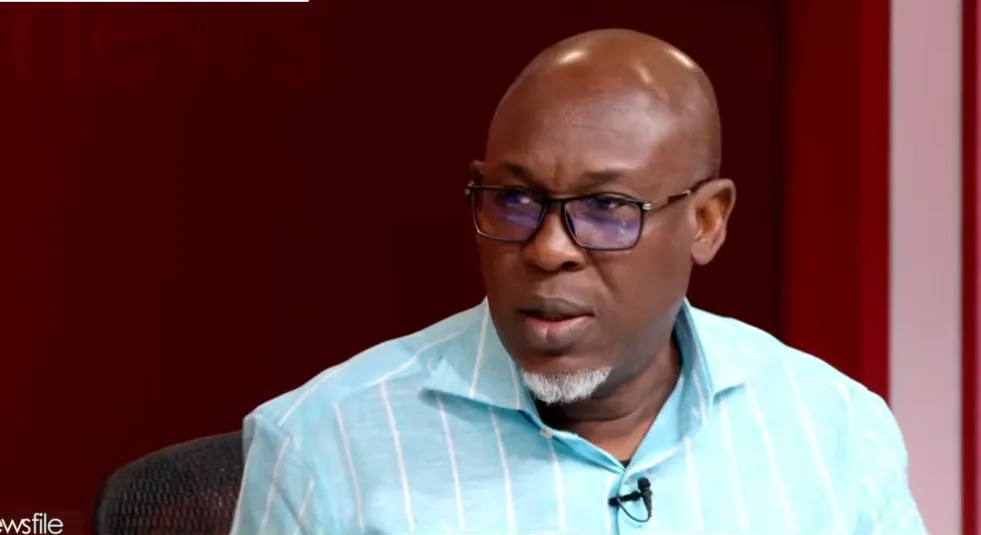
Kofi Bentil, the Senior Vice President of IMANI Africa, has expressed concerns that former Finance Minister, Ken Ofori-Atta, would be in danger of physical assault if he were to return to Ghana. Speaking on JoyNews' 'Newsfile' on Saturday, June 20, Bentil argued that Ofori-Atta has been demonised to the extent that ordinary citizens might harm him. 'I wouldn't come to Ghana, not because I'm afraid of the charges... It is being reported that the US court is saying the same thing,' Bentil stated.
Bentil, who has been critical of the handling of Ofori-Atta's case, claims that the Office of the Special Prosecutor sought an Interpol Red Notice before formally charging the former Finance Minister. 'From the beginning, it was on this table that I revealed he had not even been charged, yet Interpol Red Notices had been issued against him,' he said. Bentil added that his position was based on legal principles rather than support for Ofori-Atta. 'I said it here long before that, when you haven't charged a person, how do you issue an Interpol Red Notice? People said, 'You are defending Ken.' I said, 'No.' The point is that it is not proper procedure.'
Bentil also stated that Ofori-Atta did not flee from the authorities but travelled abroad for medical treatment while maintaining communication through his legal team. 'Let's never forget the fact that Ken Ofori-Atta did not run away from the OSP. He went abroad for medical treatment. And when they contacted him, he was communicating with them. His lawyers were communicating with them,' Bentil said. Bentil wishes Ofori-Atta would return to Ghana to face the allegations against him.
Ken Ofori-Atta, a key figure in Ghana's economic landscape, served as Finance Minister from January 2017 to January 2023 under President Nana Akufo-Addo. His tenure was marked by several controversies, including public disagreements with Parliament over budget allocations.
The case of Ken Ofori-Atta highlights the challenges of balancing public sentiment with legal procedure in high-profile cases. It remains to be seen how the situation will unfold and whether Ofori-Atta will return to Ghana to face the allegations against him.
The Ghanaian government needs to find a way to balance public opinion with the need for due process. If not handled properly, this case could set a bad precedent and undermine public trust in the justice system. This is a critical time for Ghana's legal system, and how it handles this case will be closely watched by the public.
Ken Ofori-Atta's decision not to return to Ghana was influenced by the hostile atmosphere surrounding the case. The law allows individuals to avoid returning to an environment that could compromise their safety or well-being. As Bentil noted, 'It is not only the prosecuting and arresting institutions that can create such circumstances.'
'I wish he would come and face the charges and face them down,' Bentil said, adding that his concerns were not about the legal case but rather the hostile environment that had developed around Ofori-Atta.
Kofi Bentil has been critical of the handling of Ofori-Atta's case from the beginning. He argued that the Office of the Special Prosecutor failed to follow proper procedure in issuing an Interpol Red Notice against Ofori-Atta without formally charging him. Bentil also pointed out that Interpol itself has come to the conclusion that he was right in his assessment.
The controversy surrounding Ken Ofori-Atta's case has sparked a heated debate in Ghana about the need for due process in high-profile cases. The case has also highlighted the challenges of balancing public opinion with the need for justice.
Ken Ofori-Atta's failure to return to Ghana has led to speculation about his safety. The Ghanaian government needs to find a way to balance public opinion with the need for due process. The case of Ken Ofori-Atta is a critical moment for Ghana's justice system, and how it handles this case will be closely watched by the public.
The Ghanaian government's handling of Ofori-Atta's case has been widely criticised. Many have argued that the government failed to follow proper procedure in issuing an Interpol Red Notice without formally charging Ofori-Atta. The controversy has sparked a heated debate in Ghana about the need for due process in high-profile cases.