

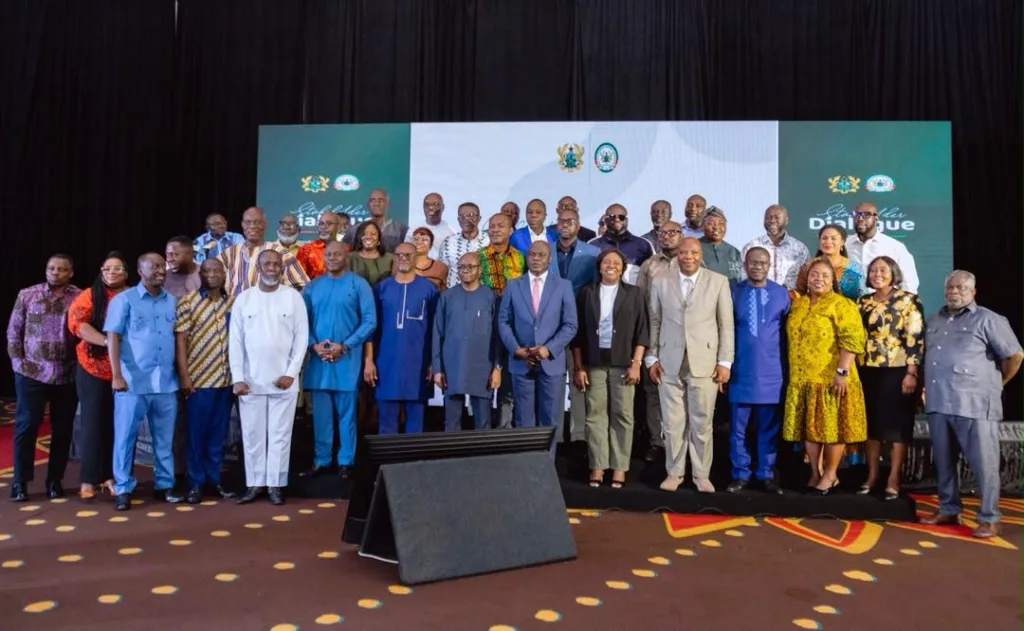
The Ministry of Local Government, Chieftaincy and Religious Affairs' Minister, Hon. Ahmed Ibrahim, warned that Ghana risks reversing decades of sanitation progress unless a reliable funding model is established.
The Minister emphasized that investing in modern waste treatment facilities and efficient collection systems can no longer be postponed. However, he identified financing as the single biggest obstacle confronting the sector. A meeting, organized by the Ministry of Local Government, Chieftaincy and Religious Affairs under the theme: 'Alleviating Waste Disposal Crisis in Greater Accra,' brought together key actors in the sanitation sector at the Kempinski Hotel Gold Coast City on June 8. 2026. According to the Minister, Ghana generates approximately 4,400 tonnes of solid waste every day, amounting to nearly 1.6 million tonnes annually. While the country has achieved an average collection rate of about 80 percent, the remaining uncollected waste continues to pose environmental and public health risks. Growing Cities, Growing Waste Dr. Joseph Siaw Agyepong, President of the Environmental Service Providers Association and Executive Chairman of the Jospong Group of Companies, challenged the continued dependence on landfills as the primary solution to Ghana's waste problems. In his view, landfill disposal represents an outdated model that has consistently failed to keep pace with modern waste management demands. Instead, he advocated a more integrated approach that prioritises waste collection, transfer stations, recycling, composting and resource recovery before considering landfill disposal as a last resort. According to Dr. Agyepong, landfill disposal represents an outdated model that has consistently failed to keep pace with modern waste management demands. He revealed that all 17 engineered landfills constructed across Ghana with support from Ghana's development partners reached capacity within a decade, highlighting the limitations of relying on landfill infrastructure alone. The Sanitation and Pollution Levy, introduced to provide financial backing for sanitation services through fuel purchases, is no longer playing its intended role in supporting waste management activities. Participants argued that while citizens must contribute to sanitation services, government must identify dedicated and sustainable funding sources to support the sector. Ghana's urban population continues to expand rapidly, creating enormous pressure on existing waste management infrastructure. Delivering the keynote address, the Minister for Local Government, Chieftaincy and Religious Affairs, Hon. Ahmed Ibrahim, painted a sobering picture of the challenge facing the country. The Economic Reality The Economics of Waste Funding emerged repeatedly as the central challenge confronting the sanitation sector as industry operators highlighted difficulties in revenue mobilisation and cost recovery, noting that current tariff structures remain inadequate to support the level of investment required. According to Dr Agyepong, the sector's inability to mobilise revenue has severely impacted the sector's capacity to invest in modern waste management infrastructure.
Key Facts
- 4,400 tonnes of solid waste generated every day in Ghana
- 1.6 million tonnes of solid waste generated annually
- 80% average collection rate
- 17 engineered landfills constructed in Ghana reached capacity within a decade
The Minister stressed that investing in modern waste treatment facilities and efficient collection systems can no longer be postponed. However, he identified financing as the single biggest obstacle confronting the sector. The meeting brought together key actors in the sanitation sector to discuss the way forward and secure dedicated funding to clear outstanding obligations owed to private waste management companies.
The Minister of Local Government, Chieftaincy and Religious Affairs' Minister, Hon. Ahmed Ibrahim, is the key figure behind the stakeholder dialogue. He has been instrumental in driving the sanitation agenda and has been a strong advocate for the need for reliable funding to support the sector. His ministry is responsible for coordinating efforts to address the sanitation crisis in the Greater Accra Metropolitan Area (GAMA). In a bid to address the challenges facing the sector, the government is exploring alternative funding options, including public-private partnerships. This is in line with the Ministry's vision to create a sustainable sanitation system that ensures the efficient management of waste and the protection of public health and the environment.
The Ghanaian government's efforts to address the sanitation crisis have been recognised internationally. In 2024, the country was ranked 7th out of 180 countries in the Human Development Index for its efforts in improving access to sanitation and hygiene. This achievement is a testament to the progress made in the sector and highlights the need for sustained investment to maintain the gains achieved so far.
In conclusion, the stakeholder dialogue in Accra has served as a timely reminder of the need for a reliable funding model to support Ghana's waste management and environmental sanitation efforts. Without dedicated funding, the sector risks reversing gains made over two decades. The government's efforts to explore alternative funding options and strengthen public-private partnerships are crucial in addressing the challenges facing the sector.