

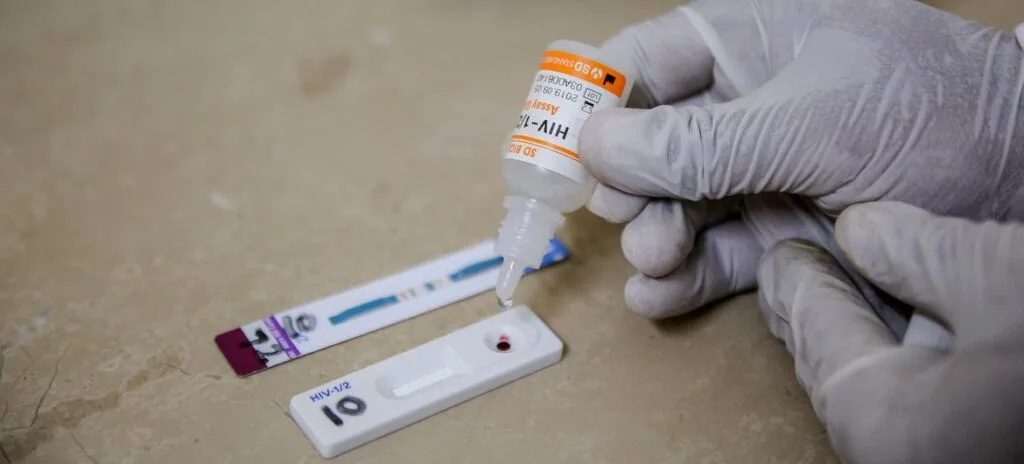
The Ghana AIDS Commission has confirmed the country is facing a severe shortage of antiretroviral (ARV) medication. Fresh supplies are expected to arrive in the country within the next three to four weeks, according to the Commission's Director of Technical Services, Dr. Eric Nana Poku.
Speaking at a press conference on Thursday, July 9, Dr. Nana Poku admitted that the current supply chain has faced intense pressure. 'What is happening is that at the Central Medical Store, the stock levels are below the threshold that we always want: six months of stock. And that is a bit of a challenge. In fact, when you go to the regional stores too, we are also told that in some regions the stock levels are lower than what is expected,' he said.
According to Dr. Nana Poku, the shortfall varies significantly across the country, with some regions maintaining healthy stock levels while others face critical dips. 'Processes have been initiated. And we are being told that we should be expecting some more of the commodities within the next three to four weeks. Hopefully, that will forestall any possibility of stockouts hitting the country,' he assured.
The director emphasized that the commission is tracking the issue closely to ensure continuity of care, particularly for pregnant women requiring routine testing to prevent mother-to-child transmission while awaiting the bulk delivery.
Addressing a secondary threat to HIV management, Dr. Nana Poku highlighted a worrying spike in individuals advertising unapproved products claiming to cure HIV/AIDS. 'We are collaborating with the Food and Drugs Authority to step up measures that will deal with these charlatans. It is disheartening,' he noted.
The Ghana AIDS Commission says its current focus remains on stabilisation, monitoring existing regional stocks over the next month while tightening regulatory oversight to protect vulnerable patients from exploitation.
'What is happening is that at the Central Medical Store, the stock levels are below the threshold that we always want: six months of stock. And that is a bit of a challenge.'
Ghana's HIV/AIDS management efforts have been gaining momentum in recent years, with a significant reduction in reported cases. However, the current stockouts pose a significant threat to these progress gains.
The country relies heavily on international donors to fund HIV/AIDS management initiatives, with the Ghana AIDS Commission stating that they have been in contact with international partners to expedite the delivery of relief supplies.
Ghana's Ministry of Health has been working closely with the Commission to address the shortage, with a joint emergency meeting held earlier this week to coordinate relief efforts.
The stockout has sparked widespread concern among healthcare providers and HIV/AIDS support groups, with many calling on the government to take immediate action to address the shortage.
The Ghana AIDS Commission has assured citizens that all necessary measures are being taken to mitigate the impact of the stockout, with a promise to provide regular updates on the status of relief supplies.
In related news, the Commission has reported a worrying increase in reported cases of HIV/AIDS in the country's regions. The Commission has attributed this rise to the stockout, as well as the growing number of people purchasing unapproved HIV treatment products on the black market.
The Ghana AIDS Commission is urging citizens to remain calm and to continue adhering to treatment schedules until further notice.
The Commission is also working closely with local healthcare providers to ensure that patients receive the necessary care and support during this challenging period.
Ghanaians are being advised to report any cases of stockouts or unapproved HIV treatment products to the authorities immediately.
Key Facts
- The Ghana AIDS Commission has confirmed that regional stores are facing stock shortages of antiretroviral (ARV) medication.
- Relief supplies are expected to arrive in the country within the next three to four weeks.
- The Commission has reported a worrying increase in reported cases of HIV/AIDS in the country's regions.
- The Commission is working closely with local healthcare providers to ensure that patients receive the necessary care and support during this challenging period.
- Ghanaians are being advised to report any cases of stockouts or unapproved HIV treatment products to the authorities immediately.