

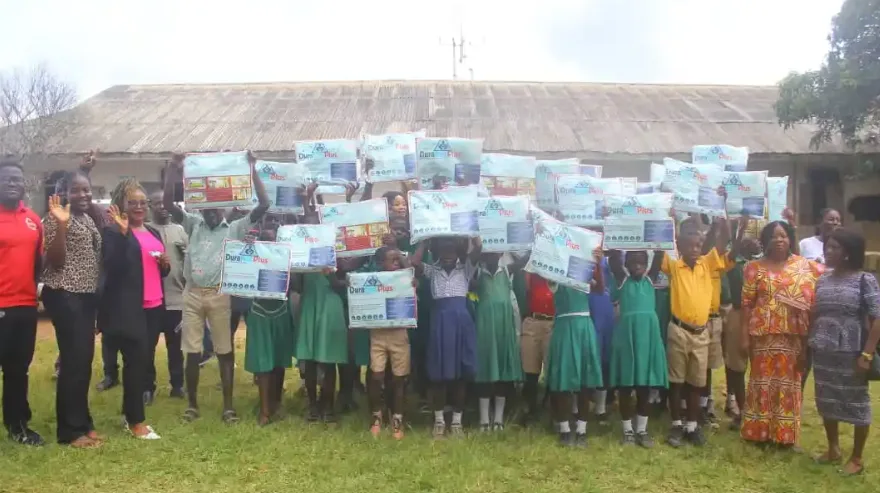
The Ghana Health Service (GHS) has begun the 2026 Seasonal Malaria Chemoprevention (SMC) campaign, targeting 1.5 million children in seven regions. The SMC campaign is underway in the Upper East, Upper West, North East, Northern, Savannah, Bono East and Oti regions, targeting children aged three to 59 months during the peak malaria transmission season. The Service has also intensified efforts to eliminate malaria through the nationwide distribution of insecticide-treated mosquito nets (ITNs) to schoolchildren.
Speaking at a media briefing in Accra, Dr. Samuel Akoyirea Kaba, Director-General of the GHS, said the gains reflected sustained investment, strong partnerships and the dedication of health workers and communities. He said Ghana had shifted from malaria control to malaria elimination through a combination of preventive measures, including insecticide-treated nets, malaria vaccination, seasonal malaria chemoprevention, intermittent preventive treatment in pregnancy, indoor residual spraying, early diagnosis and effective treatment.
The ongoing school-based ITN distribution targets Primary Two and Primary Six pupils to boost household ownership of mosquito nets and protect more families from malaria. Dr. Kaba said the programme included next-generation dual active ingredient mosquito nets, which offer better protection against insecticide-resistant mosquitoes. “Every net distributed has undergone quality assurance and received regulatory approval,” Dr. Kaba said.
Dr. Hilarius Abiwu, Manager of the National Malaria Elimination Programme, said the school-based distribution targeted selected classes because children also received mosquito nets during routine immunisation at about 18 months, with replacement nets provided at key stages of their education. He said the SMC campaign remained limited to seven regions because they experience highly seasonal malaria transmission, making the intervention most effective there.
Madam Theresa Oppong, School Health Education Programme Coordinator at the Ghana Education Service, said malaria continued to affect school attendance and learning outcomes, making the intervention critical to improving children’s health and education. She urged parents to air newly received mosquito nets in the shade for at least 48 hours before use and ensure children slept under them every night.
Madam Oppong also cautioned against using the nets for fishing, fencing gardens, drying crops or other unintended purposes, saying every misused net leaves a child vulnerable to malaria. She said the interventions remained central to Ghana’s efforts to sustain recent gains and achieve a malaria-free future.
As Ghana records significant progress in malaria control, with prevalence dropping from 27.5 per cent in 2011 to 8.6 per cent in 2022, while malaria deaths have declined by more than 98 per cent, from 3,259 in 2011 to 52 in 2025, the new campaign aims to maintain momentum in the fight against the disease. The campaign is also a vital step towards achieving the country’s goal of becoming malaria-free.
The Ghana Health Service has made remarkable progress in reducing malaria cases, with the number of reported cases decreasing from 2.6 million in 2011 to 1.3 million in 2022. This decline in malaria cases is attributed to the country’s sustained investment in malaria control and the implementation of various preventive measures, including the use of insecticide-treated nets and seasonal malaria chemoprevention.
The Ghana Health Service has also been working closely with schools to ensure that children receive timely treatment and support to maintain good health. The partnership has been successful in increasing immunization coverage and reducing malaria-related absenteeism in schools.
Malaria remains a significant public health concern in Ghana, accounting for a substantial portion of morbidity and mortality, particularly among children under the age of five. The disease is a major constraint to economic development, as it results in a significant loss of productivity and affects education, employment, and overall quality of life.
As Ghana continues to make strides in controlling malaria, the new campaign highlights the importance of sustained efforts to achieve the ultimate goal of malaria elimination. The government has committed to increasing investment in the fight against malaria and working closely with international partners to access new technologies and expertise.
By distributing mosquito nets to schoolchildren, the Ghana Health Service is playing a vital role in reducing the spread of malaria and promoting a healthy and thriving population. With a strong focus on prevention, early detection, and effective treatment, Ghana is on the path to becoming a malaria-free nation.
Key Facts
- Ghana Health Service targets 1.5 million children under Seasonal Malaria Chemoprevention (SMC) campaign
- 7 regions involved in the campaign: Upper East, Upper West, North East, Northern, Savannah, Bono East, and Oti regions
- Children aged three to 59 months targeted
- Mosquito nets distributed to Primary Two and Primary Six pupils
- Next-generation dual active ingredient mosquito nets used for better protection
- Every net distributed has undergone quality assurance and received regulatory approval
- Ghana has recorded significant progress in malaria control, with prevalence dropping from 27.5 per cent in 2011 to 8.6 per cent in 2022
- Malaria deaths have declined by more than 98 per cent, from 3,259 in 2011 to 52 in 2025