

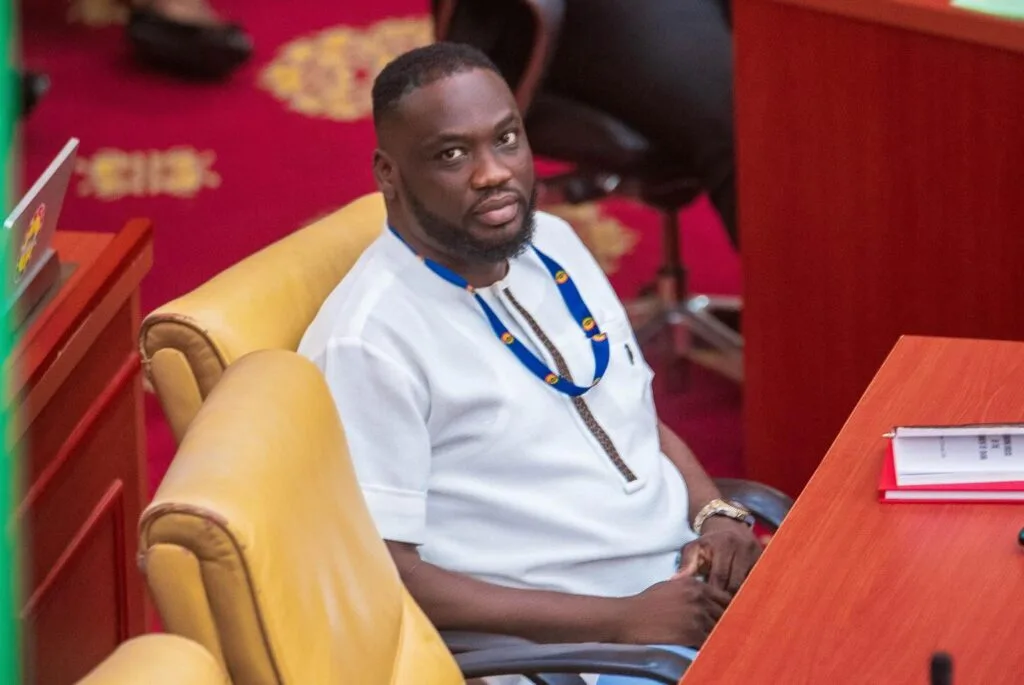
The legal drama surrounding Member of Parliament Ohene Kwame Frimpong has taken a new turn as his lawyers officially filed a bail application in an Amsterdam court this Tuesday. The lawmaker remains in custody under Dutch jurisdiction, a situation that has kept the halls of Ghana’s Parliament buzzing with speculation.
Rockson-Nelson Dafeamekpor, the Majority Chief Whip, confirmed the move during a recent appearance on JoyNews’ PM Express. He explained that the legal team is pushing for a quick hearing, ideally within the next few days, to secure the MP's release while proceedings continue.
"So, the lawyers have successfully filed for his bail today. And so we're praying that they'll be given a hearing sometime within the week."
The machinery of the Ghanaian state is in motion. The Ministry of Foreign Affairs, under the direction of the government, has activated its diplomatic channels. The ambassador to The Hague is actively involved in ensuring that the MP receives the necessary consular assistance while he remains in detention.
Parliament’s leadership is keeping a close watch on the situation. According to Mr. Dafeamekpor, communication lines remain open between the House, the MP’s family, and the legal representatives handling the case in the Netherlands. The leadership is positioning the bail request as a way to allow the legislator to return to his official duties back home.
Maintaining his innocence in the eyes of his colleagues, Mr. Dafeamekpor argued that incarceration isn't a requirement for the ongoing legal process. He suggested that if the Dutch court grants the request, the MP could continue his work while investigations into the alleged matter proceed. He brushed aside fears of flight, noting, "He won't evaporate and go anywhere."
For the average observer, this case serves as a stark reminder of the complexities when a high-profile figure runs into trouble on foreign soil. The situation has drawn sharp attention to how local politicians navigate foreign legal systems when their parliamentary immunity offers no shield against the laws of another country.
When a foreign national is detained in the Netherlands, the Dutch justice system operates under its own strict procedural rules. These rules are vastly different from the Ghanaian legal framework. The initial phase often involves a period of remand where a prosecutor must justify continued detention before a judge in chambers. Bail, or provisional release, isn't an automatic right. It's a privilege granted only if the court is satisfied that the accused won't abscond and will appear for trial.
If the court decides to grant bail, it often comes with conditions. These conditions include the surrender of travel documents or the requirement to report to a local police station periodically. Because the MP is a non-citizen without permanent residency in the Netherlands, the court will likely demand a local residential address and potentially a financial guarantee. The involvement of the Ghanaian mission in The Hague is critical. They can facilitate the necessary documentation and liaison services between the Dutch authorities and the Ghanaian government.
The process of securing bail in Europe often takes longer than it would in Accra, especially when language barriers and complex treaty arrangements are involved. This methodical process requires patience, a trait that the Ghanaian public is now being asked to exercise. Supporters and family members are hoping the expedited application will cut through the usual bureaucratic delay that often characterises such high-profile international cases.