

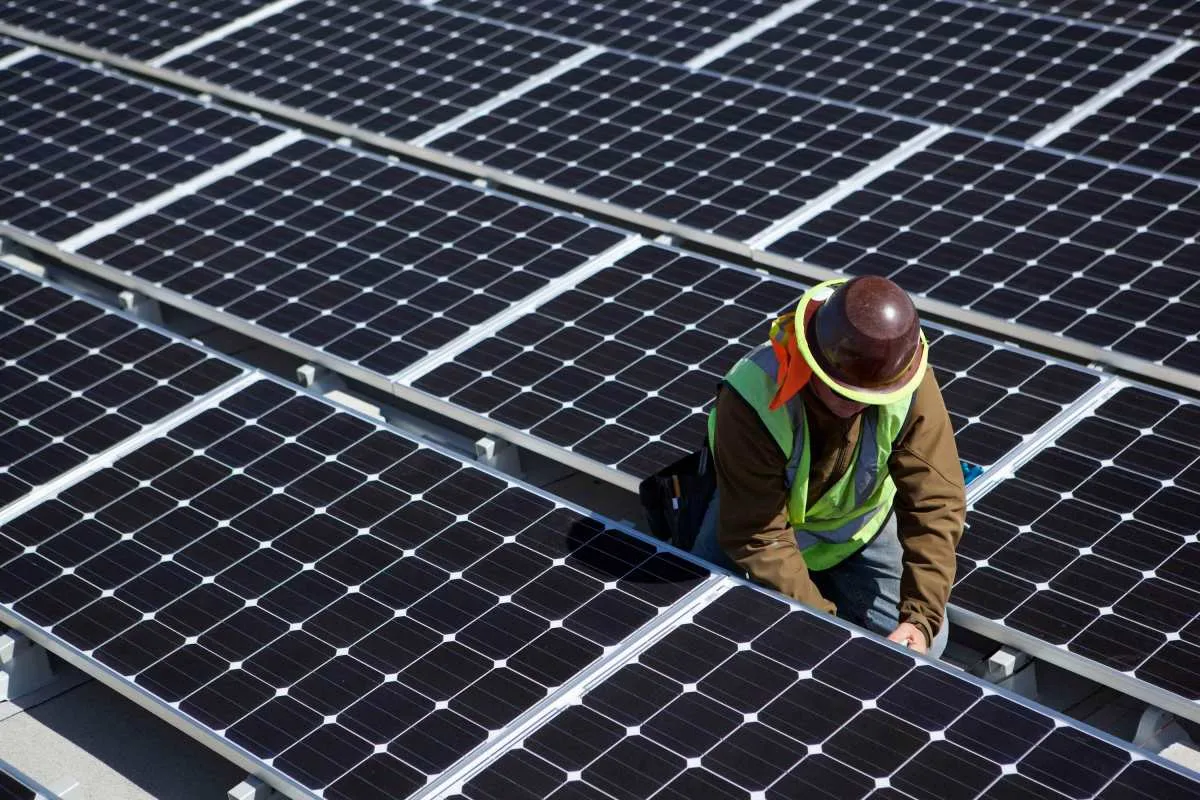
By 2035, solar energy is set to become the largest source of power globally, surpassing coal, oil, and natural gas. This is according to a report by BloombergNEF, which highlights the significant growth of solar energy in the next decade. The report notes that solar energy's growth will occur alongside a historic rise in the use of energy driven by AI and the electrification of entire industries.
Matthias Kimmel, head of energy economics at BloombergNEF, stated that 'solar is winning the race'. He's been with BloombergNEF for several years, providing insight into the global energy market. Before joining BloombergNEF, he worked as an energy analyst for a leading consulting firm. His expertise in energy economics has made him a respected voice in the industry.
The growth of solar energy is driven by its decreasing cost and increasing efficiency. In recent years, the cost of solar panels has dropped significantly, making it more competitive with fossil fuels. The efficiency of solar panels has also improved, allowing them to generate more electricity from the same amount of sunlight. This makes solar energy a more viable option for industries and households.
The rise of AI has played a significant role in the growth of solar energy. AI-powered systems can optimize energy usage and predict energy demand, making it easier to integrate solar energy into the grid. AI can also help improve the efficiency of solar panels by predicting weather patterns and adjusting energy output accordingly. This technology won't stop evolving, and it's likely to continue driving the growth of solar energy.
The electrification of industries is another key factor driving the growth of solar energy. As more industries switch to electric power, the demand for renewable energy sources like solar will increase. This shift is driven by the need to reduce greenhouse gas emissions and mitigate climate change. It's a complex process, but it's essential for creating a more sustainable future.
Solar is winning the race,
said Matthias Kimmel, head of energy economics at BloombergNEF. He didn't hesitate to emphasize the importance of solar energy in the global energy market.
The report by BloombergNEF notes that the growth of solar energy will have significant implications for the global energy market. It's expected to lead to a decline in the use of fossil fuels and a reduction in greenhouse gas emissions. However, the growth of AI and the electrification of industries will lead to an increase in energy demand, which could offset some of the gains made by solar energy. It's a delicate balance, but it's one that can be maintained with the right strategies.
In terms of specific numbers, the report notes that solar energy is expected to account for 35% of global electricity generation by 2035, up from 5% in 2020. Coal, oil, and gas, on the other hand, are expected to decline to 20%, 10%, and 15% respectively. These numbers aren't set in stone, but they're a good indication of the direction the global energy market is heading.
The growth of solar energy isn't limited to any one region. It's a global phenomenon, driven by the decreasing cost of solar panels and the increasing demand for renewable energy. In Africa, for example, solar energy is being used to power homes, businesses, and industries. In Asia, solar energy is being used to power entire cities. It's a trend that won't stop anytime soon, and it's one that will continue to shape the global energy market.
The report by BloombergNEF provides a comprehensive overview of the global energy market and the growth of solar energy. It notes that while there are challenges to the adoption of solar energy, such as energy storage and grid integration, the benefits of solar energy far outweigh the costs. It's a matter of finding the right solutions to these challenges, and it's something that researchers and industries are working on.
Key Facts
- Solar energy is expected to account for 35% of global electricity generation by 2035
- Coal, oil, and gas are expected to decline to 20%, 10%, and 15% respectively
- The growth of solar energy is driven by its decreasing cost and increasing efficiency
- The rise of AI has played a significant role in the growth of solar energy
- The electrification of industries is driving the growth of solar energy
The growth of solar energy is a significant development in the global energy market. It has the potential to reduce greenhouse gas emissions and mitigate climate change. However, it also poses challenges, such as energy storage and grid integration. As the world continues to transition to renewable energy sources, it's likely that solar energy will play an increasingly important role. It won't be easy, but it's a necessary step towards creating a more sustainable future.
The report by BloombergNEF is a valuable resource for anyone looking to understand the global energy market and the growth of solar energy. It provides a comprehensive overview of the market and notes the challenges and opportunities that lie ahead. It's a report that shouldn't be ignored, and it's one that will continue to shape the conversation around solar energy.
The growth of solar energy is a significant development in the global energy market. It has the potential to reduce greenhouse gas emissions and mitigate climate change. As the world continues to transition to renewable energy sources, it's likely that solar energy will play an increasingly important role. The future of solar energy is bright, and it's one that will be shaped by the choices we make today. Solar energy won't solve all our problems, but it's a crucial step in the right direction.