

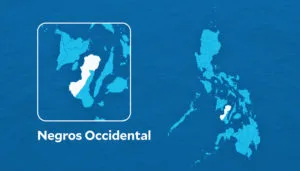
The sun in Negros Occidental isn't just shining lately; it’s practically punishing the land. Farmers are watching their livelihoods wither in the heat, forcing the government to reach for the heavens—quite literally—to pull down some much-needed rain.
Department of Agriculture (DA) Negros Island Region Director Jose Albert Barrogo confirmed on Wednesday that the Bureau of Soils and Water Management (BSWM) is already setting the stage for cloud seeding. Think of it as a desperate, high-tech dance to force clouds to drop their water before they drift away.
"We're in the process of awarding the contract for the procurement and rental of aircraft," Jose Albert Barrogo explained, noting that the plan is to get the planes in the air by the first week of July.
The operation comes with a price tag of P6 million for now, but that figure isn't final. Barrogo hinted that if the situation on the ground gets any worse, the department is ready to open the vault further to ensure the rain actually falls where it’s needed most.
Cloud seeding works by dropping substances like silver iodide or even common salt into clouds from an aircraft. These particles act as a magnet, encouraging water vapor to condense and form heavy droplets that eventually fall as rain. It’s a tricky science, heavily dependent on having the right type of cloud available in the first place.
Western Visayas has been dealing with an extended period of dry weather, a common struggle for a region that relies so heavily on agriculture. When the soil turns to dust, the yield drops, and the prices of basic commodities in our palengke start to climb. This is the reality for thousands of families whose daily meals depend on the harvest.
The timing of this intervention is crucial. By July, farmers hope to see the sky turn gray instead of staying a harsh, blinding blue. If this mission succeeds, it could be the difference between a total crop failure and a modest harvest that keeps local markets supplied.
The project is spearheaded by the Bureau of Soils and Water Management (BSWM), the agency under the DA responsible for soil and water resources. Procurement is currently in the bidding phase, meaning the government is choosing which private aviation firm has the right planes and experience for the job. The P6 million budget covers everything from specialized chemical payloads to the hourly rental rates of the pilots and aircraft. Negros Occidental and the wider Western Visayas region have been identified as the priority zones due to the severe moisture deficit in their soil. Officials are closely monitoring atmospheric conditions.
Cloud seeding requires specific humidity levels and cloud density to actually work.
This isn't just about saving plants; it’s about protecting the food security of the entire island. When farmers lose their crops, it creates a ripple effect that hits the local economy hard. The local government units are expected to coordinate with the national office to ensure the operation reaches the most vulnerable areas first.
For now, farmers in places like Bacolod City are doing what they've always done—waiting and hoping. They look up at the sky, watching for any sign that the government's investment will finally turn into a downpour. It’s a high-stakes gamble with millions of pesos, but in a crisis like this, doing nothing isn't an option.