

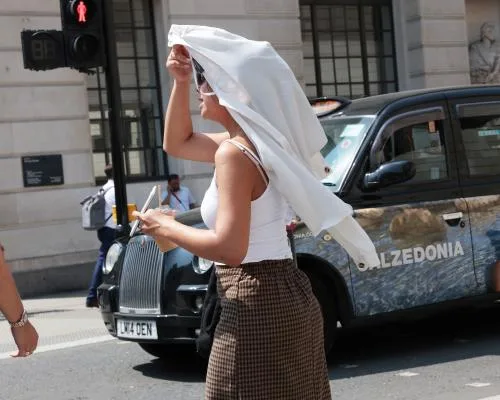
Heatwaves have become a major concern as the planet warms up. You don't know that hot weather kills an estimated half a million people every year. This is more than the number of deaths from wars or terrorism.
But how does extreme heat hurt your health? High temperatures put a lot of stress on the human body. They make the heart and kidneys work harder to keep the body cool. This can be fatal, especially for people with chronic illnesses like heart, lung, or kidney disease.
It's not just the heat that's the problem. Heatwaves also lead to more accidents, dirtier air, bigger wildfires, and more frequent power outages. All these can increase the burden on health systems.
So, who is most at risk from extreme heat? People who have to be outdoors in hot weather, like builders or farmers, are more likely to suffer from heat exhaustion and heatstroke. Older people, especially those with underlying illnesses, make up the bulk of heat-related deaths. Women are also more likely to die from heat-related causes than men.
Poorer people are at greater risk too, as they're less likely to have air conditioning, well-insulated homes, or access to green spaces. They can't afford these luxuries, which puts them in a difficult position.
You might be wondering why humidity makes it feel hotter. Sweat is the body's best defense against heat, lowering internal temperatures as it evaporates. But when humidity is high and the air is hot and sticky, the body struggles to cool down. Sweat clings to the skin, making it harder for the body to cool down.
The effect of humidity on perceived temperatures can be several degrees Celsius. This is enough to spell the difference between life and death.
Heatwaves are getting hotter due to more than a century's worth of fossil fuel pollution. This pollution has clogged the atmosphere, trapping sunlight and heating the whole planet. Average global temperatures have risen by about 1.3C since preindustrial times. This makes punishing extremes more common.
There's also some evidence that the climate crisis is making heatwaves worse. It's weakening the jet stream, which scientists think is increasing the occurrence of heat domes. These are areas of high pressure and heat that get stuck over a region for days or even weeks.
Cutting fossil fuel pollution is the biggest step that can be taken to stop heatwaves from getting even hotter. Protecting forests and wetlands that suck carbon dioxide out of the atmosphere can also help. These natural resources are crucial in the fight against climate change.
Urban planners have called for cities to be redesigned. They want cities to have less concrete and fewer cars, and more parks and water. This can negate the urban heat island effect, which makes cities hotter than their rural surroundings.
Buildings with air conditioning or passive cooling can also bring down death tolls. Strong healthcare systems and swift emergency warnings can't be overstated. They're essential in saving lives during heatwaves.
The UK's Climate Change Committee (CCC) recommended that air conditioning be installed in all care homes and hospitals within the next 10 years. They also recommended that it be installed in all schools within 25 years.
So, how can you stay safe in a heatwave? The simplest advice is to stay out of the heat. Avoid going outside during the hottest parts of the day, and stay in the shade if you have to.
To keep your home cool, close windows during the day. Open them after dark, when outdoor temperatures fall below inside temperatures. Cover windows with blinds or curtains to block out direct sunlight. This can make a big difference in keeping your home cool.
Doctors also recommend drinking water frequently. They advise wearing loose clothing and checking on vulnerable people in your community. It's essential to look out for each other during heatwaves.
- Half a million people die from heatwaves every year
- Heatwaves lead to more accidents, dirtier air, bigger wildfires, and more frequent power outages
- Poorer people are at greater risk due to lack of air conditioning, well-insulated homes, or access to green spaces
- Humidity can make it feel hotter by several degrees Celsius
- Cutting fossil fuel pollution is the biggest step to stop heatwaves from getting hotter