

The European Union is changing the rules of the game for African exporters, and countries like Ethiopia, Kenya, and Ghana are now racing to keep up. Farmers and businesses who want to sell goods into Europe now have to prove their products didn’t come from deforested land, or they won't be allowed into the market. This isn't just about red tape; it’s a total shift in how we grow and trade our cash crops.
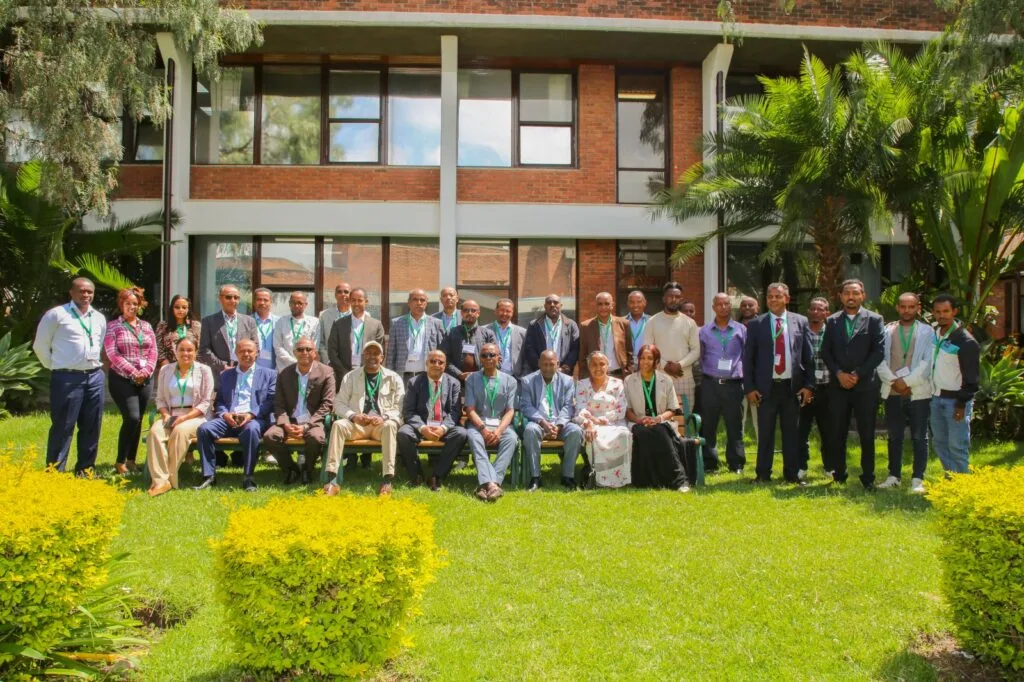
To navigate these tricky waters, a fresh partnership between the African Forest Forum (AFF), the Alliance for a Green Revolution in Africa (AGRA), and Ethiopian Forest Development (EFD) has kicked off a national dialogue in Addis Ababa. Their goal is to build 'deforestation-free' supply chains that actually put money back into the pockets of the people on the ground. Think of it as a survival guide for farmers who might otherwise be cut off from European buyers.
Sustainable trade in forest products can serve as a strong connector among nations and a driver of economic growth in Africa.
Prof Labode Popoola, who serves as the Chief Executive Officer and Executive Secretary of the African Forest Forum, believes this is the moment for Africa to get its act together. He’s looking at the African Continental Free Trade Area (AfCFTA) as a massive opportunity. If our countries can standardise their trade systems to meet these global demands, we stop being just raw material suppliers and start trading more with each other too.
Dr Maru Bekele, representing AGRA’s Climate Adaptation, Sustainable Agriculture and Resilience (CASAR) programme, reminded everyone that this isn't just about following rules. He argues that we need to build stronger systems where young people are the ones running the show. If you give a 20-year-old farmer in a rural community the right skills, financing, and a direct link to the market, you aren't just saving a tree—you’re creating a job that pays well.
Ato Kebede Yimam, the Director General of Ethiopian Forest Development, pointed out that Ethiopia isn't starting from zero. Prime Minister Abiy Ahmed’s 'Green Legacy Initiative' has already planted billions of trees, creating a foundation for linking forest restoration to actual money-making activities. The challenge now is making sure those trees and the farmers around them are part of a traceable, low-carbon supply chain that Brussels will recognise.
The project—which is currently active in Ethiopia, Ghana, and Kenya—is focused on 'Scaling Youth-Led Climate Innovations.' It brings together government officials, environmental experts, and the people actually working in the forests to draft a national roadmap. This roadmap covers everything from coffee value chains, which are critical to the Ethiopian and Kenyan economies, to how we handle renewable energy in our rural zones.
It’s a massive task. European inspectors will want to see GPS coordinates for the farms where your beans or cocoa come from. If the system is opaque, the product gets rejected. By organising these dialogues, the groups hope to create transparent chains where every step—from planting the seedling to the final export—is documented and sustainable. This is the new reality for anyone trying to trade in the global green market.
The European Union Deforestation Regulation (EUDR) is effectively a gatekeeper for our most profitable agricultural exports. Because Ghana relies heavily on cocoa exports to the EU, any delay in fixing these supply chains could lead to millions of cedis in lost revenue. For Ethiopia, the stakes are equally high for their world-famous coffee beans. These exports are already feeling the heat from climate change and changing consumer habits in the West.
Beyond just meeting foreign standards, these projects are designed to stop the 'brain drain' of young talent from our villages. When a young person sees that farming coffee or harvesting timber sustainably is a modern, high-tech, and profitable career, they stay. This is the logic the project managers, like Dr Tefera Belay of the AFF, are pushing. They want to turn environmental compliance into an engine for youth entrepreneurship.
The participants walked away with draft policy recommendations aimed at bringing the private sector and local governments together. The idea is to make sure that the guy in the market or the lady running a small processing plant doesn't get left behind by international trade agreements. If we play this right, these 'green' rules might actually force us to build the efficient, transparent infrastructure we've been needing for decades. The progress toward these goals relies on sustained collaboration between policymakers and local stakeholders.