

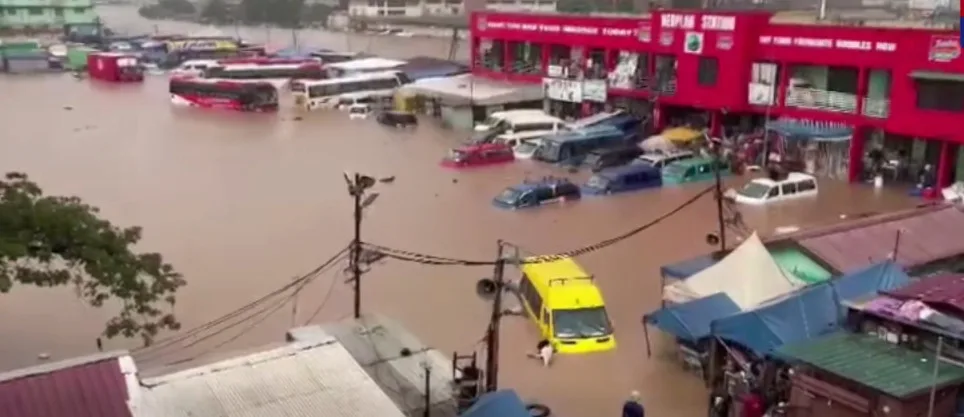
European governments are waking up to the harsh reality of climate change, making adaptation an economic imperative. According to the European Environment Agency (EEA), climate risks are on the rise across Europe, with more frequent and severe floods, droughts, heatwaves, and other extreme weather events affecting infrastructure, public health, and economic activity.
The consequences of climate-related disruptions are alarming. Transport networks can be disrupted, critical infrastructure damaged, industrial production interrupted, and labour productivity reduced. These impacts can increase recovery costs, put additional pressure on public finances, and create uncertainty for businesses and investors.
In response, European businesses are strengthening risk management, investing in resilient infrastructure, diversifying supply chains, and adopting technologies that improve preparedness for climate-related disruptions. Financial institutions are also placing greater emphasis on climate risk assessments when evaluating long-term investments.
Agriculture remains one of the sectors most vulnerable to climate variability. Changing rainfall patterns, prolonged droughts, and rising temperatures can reduce crop yields, livestock production, and water availability, with broader implications for food security and rural livelihoods. In response, governments, researchers, and producers are expanding climate-resilient farming practices, improving irrigation systems, and developing crop varieties better suited to changing environmental conditions.
Cities across Europe are also investing in flood protection, resilient transport networks, sustainable drainage systems, and improved water management to reduce climate-related risks while supporting economic activity and safeguarding communities. These initiatives demonstrate how adaptation is becoming increasingly integrated into broader strategies for sustainable development and long-term resilience.
European Climate Resilience and Sustainability ---------------------------
The European Forum Alpbach 2026 will focus on climate resilience, innovation, and sustainable economic development. These discussions reflect the increasing recognition of how climate-related risks influence economic planning, investment, and public policy.
As climate impacts continue to evolve, integrating resilience into public policy, infrastructure planning, and investment decisions will remain a key pillar of sustainable economic development and long-term competitiveness. The European Environment Agency estimates that between 2030 and 2052, climate change will cost the European Union between 0.2% and 0.4% of its GDP each year.
Key Facts
- The European Environment Agency estimates that between 2030 and 2052, climate change will cost the European Union between 0.2% and 0.4% of its GDP each year.
- Extreme weather events have cost the EU €10 billion annually since 2010.
- Climate-related hazards can disrupt transport networks, damage critical infrastructure, interrupt industrial production, and reduce labour productivity.
- Businesses are responding by strengthening risk management, investing in resilient infrastructure, diversifying supply chains, and adopting technologies that improve preparedness for climate-related disruptions.
- Agriculture remains one of the sectors most vulnerable to climate variability.