

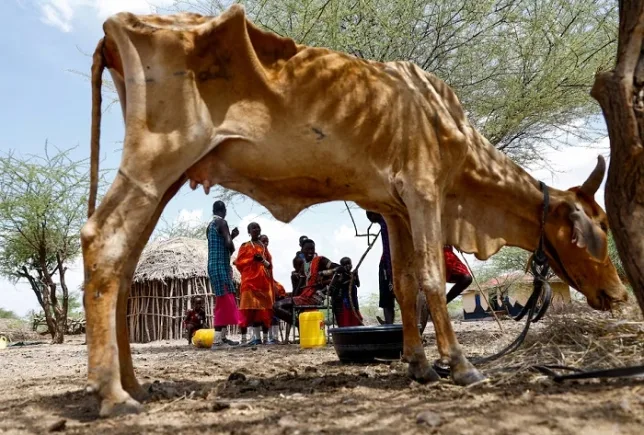
The African Climate Foundation has officially sounded the alarm, telling leaders across the continent that it’s high time they stopped waiting for scraps and started calling the shots on climate action. As of today, the organisation has launched its 2026–2030 strategy, a direct response to scientific warnings about a potential “super El Niño.” If you aren't familiar with that term, think of it as a climate monster that brings severe droughts, baking heat, and food shortages that don't care about your bank account or border lines.
Saliem Fakir, the Executive Director and founder of the organisation, pointed out that for too long, Africa has been treated like a passenger in a car driven by others. He argues that the choices made right now—how we generate electricity, where we put our money, and how we build our industries—will lock us into a path for the next few decades. He’s not interested in just ticking boxes. He wants to build the actual machinery of power, finance, and trade that makes Africa resilient enough to handle these shocks.
Our role is to ensure that those driving this transition from within Africa have the institutions, capabilities and investment platforms they need.
It’s a bitter pill to swallow, but Africa contributes only a tiny fraction of global emissions yet ends up paying the highest price when the climate goes rogue. The continent currently captures a measly 3% of global climate finance. When you look at Nigeria, with its dependence on oil and its huge agricultural sector, that lack of funding isn't just a statistic. It’s the difference between a farm dying in the sun or having a functioning irrigation system.
Carlos Lopes, the chairman of the foundation, believes the game has shifted. He says the era of simply listening to what international partners dictate is dying. Instead, he is pushing for African experts to define what a green transition looks like for our specific streets, villages, and cities. This isn't just about planting trees or cutting carbon. It’s about making sure the lights stay on and the people have enough to eat while the world changes around us.
The organisation’s plan targets a few specific areas to make this happen. They are banking on country-led climate programs that actually fit the local context instead of those "one-size-fits-all" policies that come from boardrooms in Europe. They also want to boost "green industrialisation," helping businesses grow without relying on dirty energy sources that hurt the environment. They are focusing on institutional capacity-building, which is a method to help government offices and local bodies gain the skills required to manage the money and projects they take on.
Since its birth in 2020, the foundation has operated as the first regional group of its kind that is led by Africans. They’ve already pushed over US$41 million into the system through 467 different grants and investments. These funds have been spread across 35 countries, touching on everything from getting clean energy to rural households to helping farmers adapt to shifting rainfall patterns. It’s a massive logistical task, and by their own admission, the speed of getting things done hasn't been fast enough.
Fakir remains brutally honest about why things are moving at a snail's pace. He notes that while global leaders love to make big promises at fancy conferences, the actual work of implementing these plans is where they trip over their own feet. Every day we spend talking instead of digging trenches or building solar farms adds to the bill that our children will eventually have to settle. The foundation is betting that by linking up governments, NGOs, and the private sector, they can move past the empty talk.