

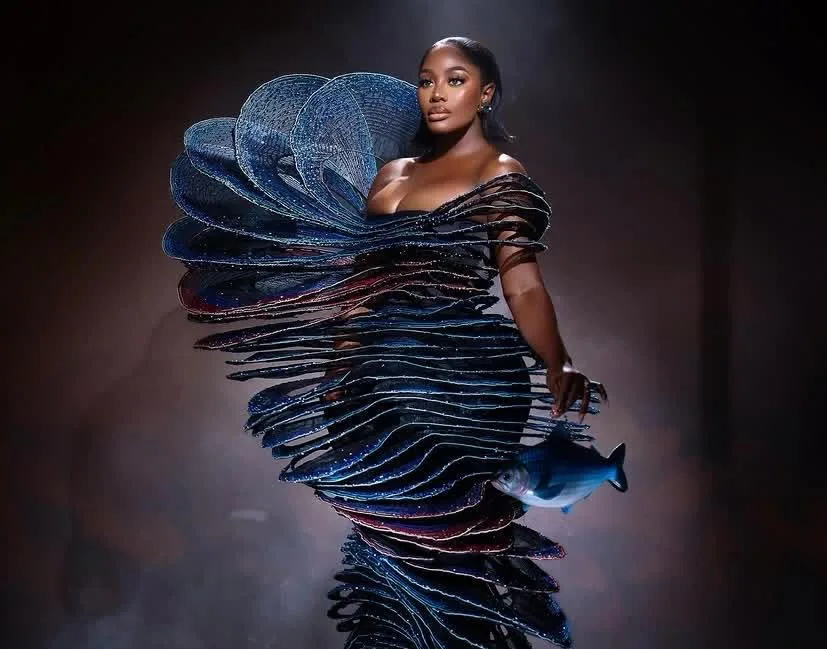
The AMVCA ceremony in Lagos is one of the most prestigious events in the African entertainment industry, and this year's edition was no exception. The red carpet was filled with stunning outfits, but one dress in particular caught everyone's attention: the dramatic cathedral-inspired gown worn by actress Nana Akua Addo. The dress was a masterpiece, with intricate details and a unique design that made Addo stand out from the crowd. However, the dress's origins have become a point of contention, with the fashion brand behind the dress clashing with Addo over the design.
The fashion brand, which has not been named, claims that they designed the dress specifically for Addo, but the actress has denied this, stating that she was involved in the design process. The dispute has sparked a heated debate, with many people taking to social media to weigh in on the issue. Some have accused the fashion brand of trying to take credit for Addo's work, while others have defended the brand, saying that they have the right to claim ownership of the design.

The incident has highlighted the complexities of fashion ownership and credit, particularly in the African fashion industry. Many designers and brands struggle to protect their intellectual property, and the lack of clear laws and regulations can lead to disputes like this one. Addo's team has released a statement saying that they are exploring all options to resolve the dispute, but the fashion brand has yet to comment.
And yet, the dispute has also sparked a wider conversation about the importance of giving credit where credit is due. In an industry where collaboration and inspiration are common, it can be difficult to determine who owns a particular design or idea. But it's clear that Addo and the fashion brand have different versions of events, and it's up to them to work out their differences.
So, what happens next? The dispute is likely to continue, with both sides trying to prove their claim to the design. But it's also possible that the incident could lead to a wider conversation about fashion ownership and credit, and the need for clearer laws and regulations to protect designers and brands.

Key Facts
- Actress Nana Akua Addo wore a dramatic cathedral-inspired gown to the AMVCA ceremony in Lagos.
- The fashion brand behind the dress has clashed with Addo over the design.
- The dispute has sparked a heated debate on social media.
- The incident has highlighted the complexities of fashion ownership and credit in the African fashion industry.
- The fashion brand claims they designed the dress specifically for Addo, but the actress denies this.
- Addo's team is exploring all options to resolve the dispute.
- The fashion brand has yet to comment on the dispute.
The AMVCA Ceremony
The AMVCA ceremony is one of the most prestigious events in the African entertainment industry, recognizing excellence in film, television, and music. The ceremony was held in Lagos, Nigeria, and was attended by many of the biggest names in African entertainment. The red carpet was filled with stunning outfits, but Addo's dress was one of the most talked-about looks of the night.
The ceremony was a celebration of African talent and creativity, and Addo's dress was a perfect example of this. The dress was a masterpiece, with intricate details and a unique design that made Addo stand out from the crowd. But the dispute over the dress's design has overshadowed the ceremony, with many people focusing on the controversy rather than the achievements of the winners.
The AMVCA ceremony is an important event for the African entertainment industry, providing a platform for artists to showcase their work and receive recognition for their achievements. But the dispute over Addo's dress has highlighted the need for clearer laws and regulations to protect designers and brands.
Nana Akua Addo
Nana Akua Addo is a Ghanaian actress and model, known for her stunning looks and talented performances. She has appeared in several films and television shows, and has won numerous awards for her work. Addo is also a fashion icon, known for her bold and stylish outfits.
Addo's team has released a statement saying that they are exploring all options to resolve the dispute, but the actress has yet to comment personally. It's clear that Addo is a talented and dedicated artist, but the dispute over her dress has raised questions about her involvement in the design process.
Addo's career has been marked by numerous achievements, including several awards and nominations. She is widely regarded as one of the most talented actresses in the African entertainment industry, and her fashion sense is always highly anticipated on the red carpet.
The Fashion Brand
The fashion brand behind the dress has not been named, but they have released a statement claiming that they designed the dress specifically for Addo. The brand has a reputation for creating stunning and unique outfits, and their designs are highly sought after by celebrities and fashionistas.
But the dispute over Addo's dress has raised questions about the brand's business practices and their treatment of designers and models. The brand has yet to comment on the dispute, but it's clear that they are taking the issue seriously.
The fashion brand is known for their attention to detail and their commitment to quality, but the dispute over Addo's dress has highlighted the need for clearer laws and regulations to protect designers and brands. The brand's reputation is at stake, and they will need to work hard to resolve the dispute and restore their reputation.
The Importance of Credit
The dispute over Addo's dress has sparked a wider conversation about the importance of giving credit where credit is due. In an industry where collaboration and inspiration are common, it can be difficult to determine who owns a particular design or idea. But it's clear that credit is essential for designers and brands to protect their intellectual property.
"Credit is everything in the fashion industry," says fashion expert, Jennifer Lopez. "Designers and brands need to be recognized for their work, and credit is the way to do that. Without credit, designers and brands are left vulnerable to plagiarism and theft."
The importance of credit cannot be overstated, particularly in the African fashion industry. Many designers and brands struggle to protect their intellectual property, and the lack of clear laws and regulations can lead to disputes like this one. But it's clear that credit is essential for the industry to thrive.
The Future of Fashion
The dispute over Addo's dress has highlighted the need for clearer laws and regulations to protect designers and brands. The African fashion industry is growing rapidly, with many talented designers and brands emerging. But the industry needs to be protected, and clearer laws and regulations are essential for this.
The future of fashion is uncertain, but one thing is clear: credit is essential for designers and brands to protect their intellectual property. The dispute over Addo's dress has sparked a wider conversation about the importance of credit, and it's likely that the industry will see changes in the coming years.
The African fashion industry is known for its creativity and talent, but it's also known for its lack of protection for designers and brands. The dispute over Addo's dress has highlighted the need for change, and it's likely that the industry will see new laws and regulations in the coming years. But for now, the dispute over Addo's dress remains a contentious issue, with both sides trying to prove their claim to the design.