

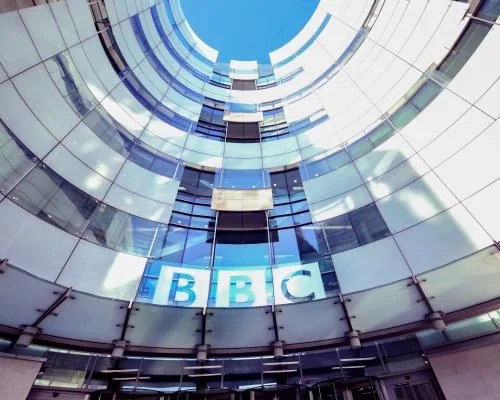
The news that BBC bosses will forgo their pay rise this year has sent a wave of uncertainty through the corporation's staff. The announcement, made by interim director general Rhodri Talfan Davies, is part of a larger effort to cut costs and address the BBC's financial challenges. The corporation is facing a £600m shortfall, which has led to plans to cut as many as 2,000 jobs. This is the biggest downsizing of the public service broadcaster in 15 years.
The pay freeze for the executive committee, which includes the director general and 11 other high-ranking officials, is seen as a signal to staff that they should not expect a significant pay rise this year. Insiders have expressed concerns that the move is a form of 'virtue signalling', meant to convey to staff that they should not hope for much better. The BBC's staff unions have made a pay claim of 4.5%, but it remains to be seen whether this will be accepted.
The cost-cutting drive is a response to the BBC's financial struggles, which have been exacerbated by a decline in licence fee revenue. The corporation is facing increased competition from streaming services and other online platforms, which has led to a decrease in viewership and revenue. The BBC has been trying to adapt to these changes, but it is clear that the road ahead will be challenging. The arrival of new director general Matt Brittin, a former top Google executive, may bring some fresh perspective to the corporation, but it is unclear whether he will be able to turn things around.
The BBC's financial struggles are not just a matter of concern for staff, but also for the wider public. The corporation plays a vital role in British culture and society, providing high-quality programming and news coverage. The potential loss of 2,000 jobs is not just a blow to the individuals affected, but also to the broader community. The BBC's ability to produce quality content and provide a platform for diverse voices is at risk, and it is unclear what the long-term consequences of these cuts will be.
Key Facts
- The BBC's executive committee will forgo their pay rise this year
- The corporation is facing a £600m cost-cutting drive
- Up to 2,000 jobs may be lost as a result of the cuts
- The BBC's staff unions have made a pay claim of 4.5%
- The corporation is facing financial struggles due to a decline in licence fee revenue
- New director general Matt Brittin will take over on 18 May
- Rachel Corp, the chief executive of ITN, has announced her resignation
- Corp may replace Deborah Turness, who resigned as head of BBC News in November
The BBC's Financial Struggles
The BBC's financial struggles are not new, but they have been exacerbated in recent years by a decline in licence fee revenue. The corporation has been trying to adapt to the changing media landscape, but it is clear that the road ahead will be challenging. The BBC has been investing in new technologies and platforms, but it is unclear whether these efforts will be enough to stem the decline in revenue. The corporation's financial struggles have also been affected by the COVID-19 pandemic, which has led to a decrease in advertising revenue and other sources of income.
The BBC's financial struggles have significant implications for the wider public. The corporation plays a vital role in British culture and society, providing high-quality programming and news coverage. The potential loss of 2,000 jobs is not just a blow to the individuals affected, but also to the broader community. The BBC's ability to produce quality content and provide a platform for diverse voices is at risk, and it is unclear what the long-term consequences of these cuts will be.
The BBC's financial struggles are also a reflection of the broader challenges facing the media industry. The rise of streaming services and other online platforms has led to a decline in traditional television viewing and a shift in the way people consume media. The BBC has been trying to adapt to these changes, but it is clear that the road ahead will be challenging. The corporation will need to find new ways to reach audiences and generate revenue if it is to survive in the long term.
The Impact on Staff
The news that the BBC's executive committee will forgo their pay rise this year has sent a wave of uncertainty through the corporation's staff. The announcement has sparked fears of a meagre increase for the rank and file, and has led to concerns about the long-term implications of the cost-cutting drive. The BBC's staff unions have made a pay claim of 4.5%, but it remains to be seen whether this will be accepted.
The potential loss of 2,000 jobs is a significant blow to the individuals affected, and will have a major impact on the wider community. The BBC's ability to produce quality content and provide a platform for diverse voices is at risk, and it is unclear what the long-term consequences of these cuts will be. The corporation's staff are not just employees, but also creators and producers of high-quality content. The loss of their skills and expertise will be felt for years to come.
The BBC's staff are the backbone of the corporation, and it is they who will be most affected by the cost-cutting drive. As one insider put it, 'The executive committee may be forgoing their pay rise, but it is the staff who will be bearing the brunt of the cuts.'
The Role of the Director General
The arrival of new director general Matt Brittin may bring some fresh perspective to the corporation, but it is unclear whether he will be able to turn things around. Brittin, a former top Google executive, has a background in technology and innovation, and may be able to bring some new ideas to the table. However, the challenges facing the BBC are significant, and it will take more than just a new director general to address them.
The director general plays a crucial role in shaping the BBC's strategy and direction. They are responsible for overseeing the corporation's operations, and for making key decisions about programming and content. The director general is also the public face of the corporation, and is responsible for communicating the BBC's vision and values to the wider world. The appointment of a new director general is a significant event, and will have a major impact on the corporation's future.
The BBC's previous director general, Tim Davie, resigned in November, along with the head of BBC News, Deborah Turness. The resignation of these two senior executives was a significant blow to the corporation, and has led to a period of uncertainty and upheaval. The appointment of a new director general is a key part of the process of rebuilding and revitalizing the corporation.
The Future of the BBC
The future of the BBC is uncertain, and it is unclear what the long-term consequences of the cost-cutting drive will be. The corporation plays a vital role in British culture and society, providing high-quality programming and news coverage. However, the BBC is facing significant challenges, and it is unclear whether it will be able to survive in the long term.
The BBC's ability to produce quality content and provide a platform for diverse voices is at risk, and it is unclear what the long-term consequences of these cuts will be. The corporation's staff are not just employees, but also creators and producers of high-quality content. The loss of their skills and expertise will be felt for years to come. The BBC's financial struggles are a reflection of the broader challenges facing the media industry, and it is unclear whether the corporation will be able to adapt and survive.
The BBC's future is not just a matter of concern for staff, but also for the wider public. The corporation plays a vital role in British culture and society, and its loss would be felt for generations to come. The BBC's ability to produce quality content and provide a platform for diverse voices is a key part of its mission, and it is unclear whether this will be preserved in the face of the cost-cutting drive.
Conclusion
The news that the BBC's executive committee will forgo their pay rise this year is just the latest development in a long and complex story. The corporation is facing significant challenges, and it is unclear whether it will be able to survive in the long term. The BBC's financial struggles are a reflection of the broader challenges facing the media industry, and it is unclear whether the corporation will be able to adapt and survive. The arrival of new director general Matt Brittin may bring some fresh perspective to the corporation, but it is unclear whether he will be able to turn things around. The future of the BBC is uncertain, and it is unclear what the long-term consequences of the cost-cutting drive will be.