

The single sharpest fact in one or two punchy sentences. Who did what, where, when, and why it matters. Not a summary of everything — the one thing that makes someone stop scrolling. A reader who only reads this paragraph must understand what happened.
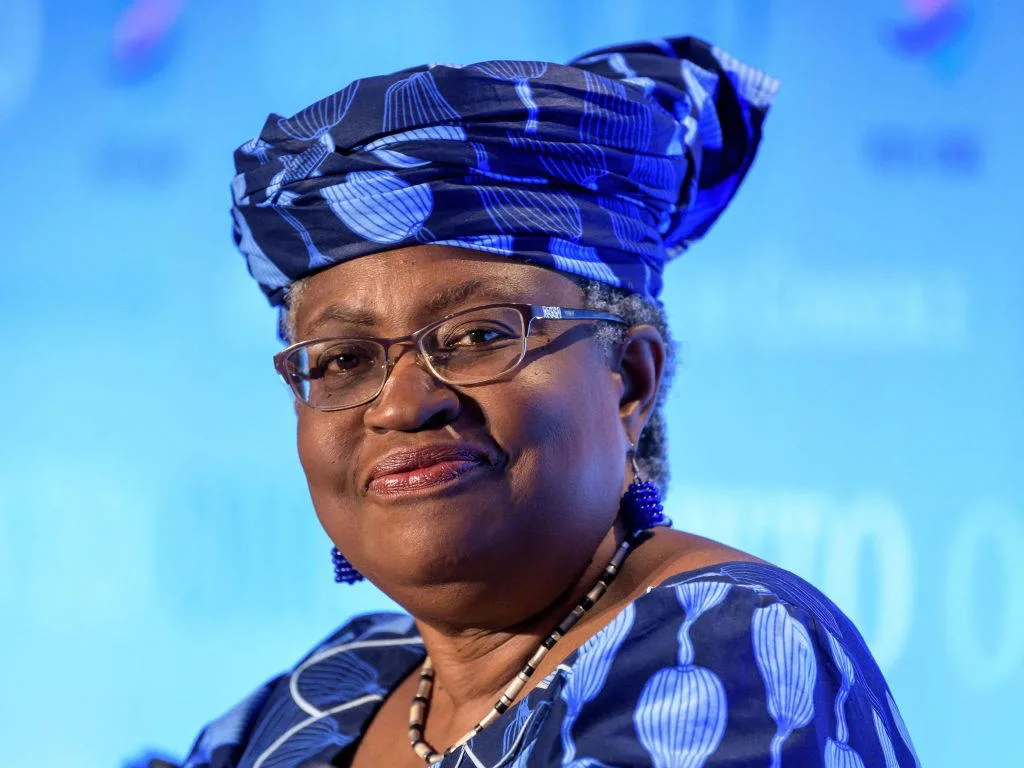
Dr. Ngozi Okonjo-Iweala, the Director-General of the World Trade Organisation, has sounded the alarm on Nigeria's method of exporting critical minerals like lithium and cobalt in their raw form. She made this call during the Fireplace Dialogue on Building Africa's Resilience in a Changing Global Economic Order at the 7th Africa Emerging Markets Forum in Abuja. According to Okonjo-Iweala, this approach is linked to terrorism, banditry, and corruption in the country.
Okonjo-Iweala, a former Minister of Finance and Coordinating Minister of the Economy, pointed out that Africa holds an estimated 30 percent of the world's non-mineral reserves. She argued that instead of adopting the extract and export model, which has caused significant volatility and underperformance in the economy, African countries should aim for higher value and productivity growth through sub-regional value chains and integration into supply networks. The World Trade Organisation head also called for diversification of global trading partners, citing the benefits of reglobalisation and the ability of countries outside established production networks to attract value chain investment.
The former minister also spoke about the importance of creating jobs and economic opportunities for a young and hungry population in Nigeria. She stated that Nigerians should feel the dividends of reform in the real economy, rather than experiencing negative feedback loops of uncertainty, fragmentation, and slower growth. Okonjo-Iweala emphasized the need for Nigeria to continue working on overall macroeconomic reforms, ensuring a careful approach to fiscal issues, debt contraction, and debt management.
The Governor of the Central Bank of Nigeria, Mr. Olayemi Cardoso, also made a call for the elimination of trade barriers within the African region. He stated that understanding the rules-based international system is crucial for Africa and other emerging markets, and that the continent must turn the changing global order from a source of vulnerability to a source of growth and shared prosperity.
The call by the World Trade Organisation head has sparked a discussion on the implications of exporting critical minerals in their raw form. Critics argue that this approach not only perpetuates corruption and insecurity but also limits the economic benefits that Nigeria could derive from processing these minerals domestically.
Key Facts
- Africa holds an estimated 30 percent of the world's non-mineral reserves.
- Nigeria is rich in lithium and cobalt, critical minerals used in electric vehicle batteries and other low-carbon goods.
- The World Trade Organisation has identified a need for African countries to develop sub-regional value chains and integrate into supply networks to achieve higher value and productivity growth.
- Dr. Ngozi Okonjo-Iweala has called for diversification of global trading partners and the adoption of reglobalisation strategies to reduce dependence on a few countries.
- The Central Bank of Nigeria Governor has highlighted the importance of understanding and adapting to the changing global order to ensure economic growth and shared prosperity.