

The single sharpest fact in one or two punchy sentences. Who did what, where, when, and why it matters. Not a summary of everything — the one thing that makes someone stop scrolling. A reader who only reads this paragraph must understand what happened.
The Federal Government has disclosed that Nigeria is currently hosting over 100,000 refugees and asylum seekers, mainly from countries within the Lake Chad Basin region. This revelation was made by the Secretary to the Government of the Federation, Senator George Akume, during the commemoration of the 2026 World Refugee Day in Abuja.
Senator Akume made the disclosure while speaking on the theme “Until Everyone is Safe.” He emphasized that the administration of President Bola Tinubu remains committed to the protection, welfare, and empowerment of refugees, asylum seekers, and internally displaced persons. This, he said, is in line with the Renewed Hope Agenda.
According to him, the Federal Government's response to the refugee crisis is anchored on three key pillars: protection, livelihoods, and durable solutions. These interventions are being implemented through the National Commission for Refugees, Migrants, and Internally Displaced Persons.
Akume explained that the government's interventions are increasingly focused on integrating humanitarian assistance with long-term development strategies to help displaced persons rebuild their lives. He stressed that the growing challenges of climate-induced displacement, insecurity, and protracted conflicts across the globe underscore the need for stronger international cooperation.
He added that efforts are underway to expand the National Social Register to capture more vulnerable persons, including displaced populations and host communities. This move, he said, will ensure data-driven, targeted, and transparent humanitarian assistance for those in need.
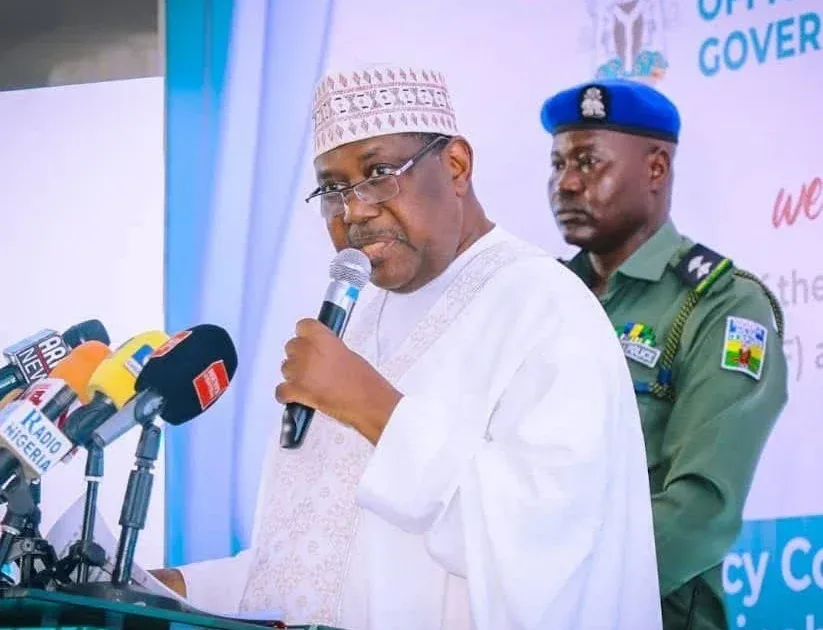
In his keynote address, the Minister of Humanitarian Affairs and Poverty Reduction, Dr Bernard Doro, commended the resilience and courage demonstrated by refugees around the world. He reaffirmed Nigeria's commitment to international humanitarian principles and support for vulnerable populations in line with global best practices.
Dr Doro called on governments, development partners, humanitarian agencies, and host communities to strengthen efforts aimed at providing protection, durable solutions, and opportunities for self-reliance for refugees.
The country continues to grapple with displacement challenges caused by insurgency, banditry, communal conflicts, and climate-related disasters, particularly in the North-East and other vulnerable regions. Nigeria also hosts thousands of refugees and asylum seekers from neighboring countries affected by instability.
Key Facts
- Over 100,000 refugees and asylum seekers are in Nigeria.
- These individuals are mainly from countries within the Lake Chad Basin region.
- The Federal Government's response to the refugee crisis is anchored on three key pillars: protection, livelihoods, and durable solutions.
- The government's interventions are increasingly focused on integrating humanitarian assistance with long-term development strategies.
- Efforts are underway to expand the National Social Register to capture more vulnerable persons.