

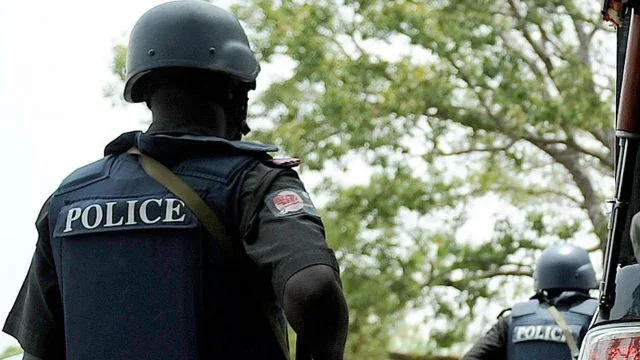
The single sharpest fact in one or two punchy sentences. Who did what, where, when, and why it matters. Not a summary of everything — the one thing that makes someone stop scrolling. A reader who only reads this paragraph must understand what happened.
DIG Ishyaku Mohammed, a seasoned police officer, was speaking at a stakeholders' engagement in Lokoja, the Kogi State capital, on Monday, June 21st, 2026.
The meeting, which brought together traditional rulers, the Police Community Relations Committee, the National Association of Nigerian Students, the Nigerian Bar Association, youth groups, civil society organisations, and non-governmental organisations, was an opportunity for Mohammed to remind citizens of their role in maintaining peace and security.
You see, in Nigeria, when the police say 'security is everybody's business', it means just that – every single one of us has a part to play in keeping our communities safe.
Mohammed said this during the engagement, which was organised by the Kogi State Police Command on the Inspector-General of Police's directive.
The DIG explained that the police alone cannot secure communities without the active support and participation of the people.
“Security is everybody's business. The Police alone cannot secure our communities without the active support and participation of the people.”
He added that every family, every village, every ward, every community, and every institution has a role to play in maintaining security.
Traditional rulers, for instance, must remain vigilant, while religious leaders must continue to preach peace and good values.
Parents must pay greater attention to their children, and youth groups must become partners in peacebuilding and crime prevention.
Community leaders must remain the police's eyes and ears, providing valuable information that can help thwart crimes before they happen.
You see, information remains the most potent weapon against crime.
The DIG urged citizens to make proper use of established emergency lines and communication channels to report crimes and criminal activities.
“There is no useless information. A seemingly insignificant piece of information can prevent a kidnapping, stop an armed robbery, disrupt a terrorist attack or save lives.”
He also appealed to residents not to provide sanctuary to offenders, saying that crime eventually destroys the very communities that harbour it.
“Anyone who protects criminals becomes an enabler of criminality. Communities must collectively reject criminals and deny them safe havens.”
DIG Mohammed called on communities to reject criminals and their support networks, urging residents not to shield them because they are relatives, friends, or neighbours.
“Communities must collectively reject criminals and deny them safe havens,” he said.
You see, the Nigerian Police Force has provided emergency lines and communication channels, but citizens must make use of them to report crimes and criminal activities.
There is no better security strategy than one that involves the people and communities it is designed to protect.
Every family, every village, every ward, every community, and every institution has a role to play in maintaining security.
The DIG said security is a collective responsibility that requires the active support and participation of everyone.
You see, the police alone cannot secure communities without the help of citizens.
Every family, every village, every ward, every community, and every institution has a role to play in maintaining security.
The DIG urged stakeholders to identify security threats before they escalate into major crises.
“Prevention is always better than reaction.
You see, the Nigerian Police Force has provided emergency lines and communication channels, and citizens must make use of them to report crimes and criminal activities.
There is no better security strategy than one that involves the people and communities it is designed to protect.
Every family, every village, every ward, every community, and every institution has a role to play in maintaining security.
The DIG said security is a collective responsibility that requires the active support and participation of everyone.
You see, the police alone cannot secure communities without the help of citizens.
Every family, every village, every ward, every community, and every institution has a role to play in maintaining security.
The DIG urged stakeholders to identify security threats before they escalate into major crises.
Key Facts
- The Nigeria Police Force provides emergency lines and communication channels for citizens to report crimes and criminal activities.
- The Coordinating Deputy Inspector-General of Police in charge of the North Central geopolitical zone, DIG Ishyaku Mohammed, urged citizens to take responsibility for their own security.
- Every family, every village, every ward, every community, and every institution has a role to play in maintaining security.
- Traditional rulers, religious leaders, parents, youth groups, community leaders and citizens must all work together to prevent crimes.
- Information remains the most potent weapon against crime.
### Context The call to action by DIG Ishyaku Mohammed is in line with the Inspector-General of Police's directive to the police to engage critical stakeholders on matters concerning collective security and public safety.
“Security is everybody's business. The Police alone cannot secure our communities without the active support and participation of the people.”
“There is no useless information. A seemingly insignificant piece of information can prevent a kidnapping, stop an armed robbery, disrupt a terrorist attack or save lives.”
The Nigeria Police Force has been working hard to secure communities, but the DIG acknowledged that the police alone cannot do it without the help of citizens.
The stakeholders' engagement was an opportunity for Mohammed to remind citizens of their role in maintaining peace and security.
In conclusion, the call to action by DIG Ishyaku Mohammed is a welcome reminder that security is indeed everybody's business and that every single one of us has a part to play in keeping our communities safe.