

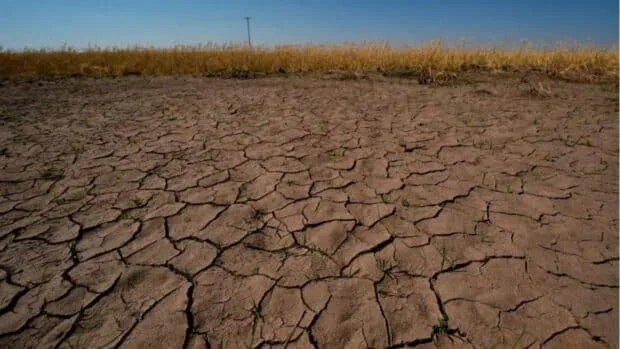
The El Nino phenomenon is expected to intensify between July and September, with widespread extreme weather predicted. According to the World Meteorological Organization (WMO), El Nino has already begun to develop, with a significant increase in surface temperature in the central and eastern equatorial Pacific Ocean. The WMO warns that this will lead to changes in wind patterns, atmospheric pressure, and rainfall, causing severe weather conditions worldwide.
El Nino occurs every two to seven years, lasting around nine to 12 months. It is a natural climate phenomenon that arises from changes in the ocean temperatures, which in turn affect global weather patterns. During an El Nino event, the Pacific Ocean warms up, leading to droughts in some areas and floods in others.
Countries in Africa, particularly those in the East African region, are expected to be severely affected by the El Nino. Kenya, Ethiopia, and Uganda are among the countries that are likely to experience droughts, while those in West and Central Africa are predicted to face heavy rainfall. Nigeria is also expected to be impacted, with severe weather conditions affecting the agricultural sector.
The El Nino event is expected to have a significant impact on the global economy. The WMO estimates that the global economy could lose up to $10 billion due to the severe weather conditions. The agency also warns that El Nino could lead to a significant increase in the number of people affected by natural disasters, including floods and droughts.
The WMO is working closely with governments and international organizations to provide early warnings and support to countries affected by El Nino. The agency is also conducting research to improve the understanding of the El Nino phenomenon and its impacts on global weather patterns.
The WMO has advised governments to take immediate action to prepare for the El Nino event, including stockpiling emergency supplies, evacuating people in low-lying areas, and implementing early warning systems for natural disasters.
The full impact of El Nino will only be known after the event has passed, but it is clear that it will have significant effects on global weather patterns and the economy. The WMO will continue to work closely with governments and international organizations to provide support and guidance.
Regional Impact:
- East Africa: droughts in Kenya, Ethiopia, and Uganda
- West and Central Africa: heavy rainfall
- Nigeria: severe weather conditions affecting the agricultural sector
Global Economic Impact: up to $10 billion loss
Timeline: El Nino expected to intensify between July and September