

The European Bank for Reconstruction and Development (EBRD) has set a target of investing at least $1.5 billion in Nigeria over the next three years.
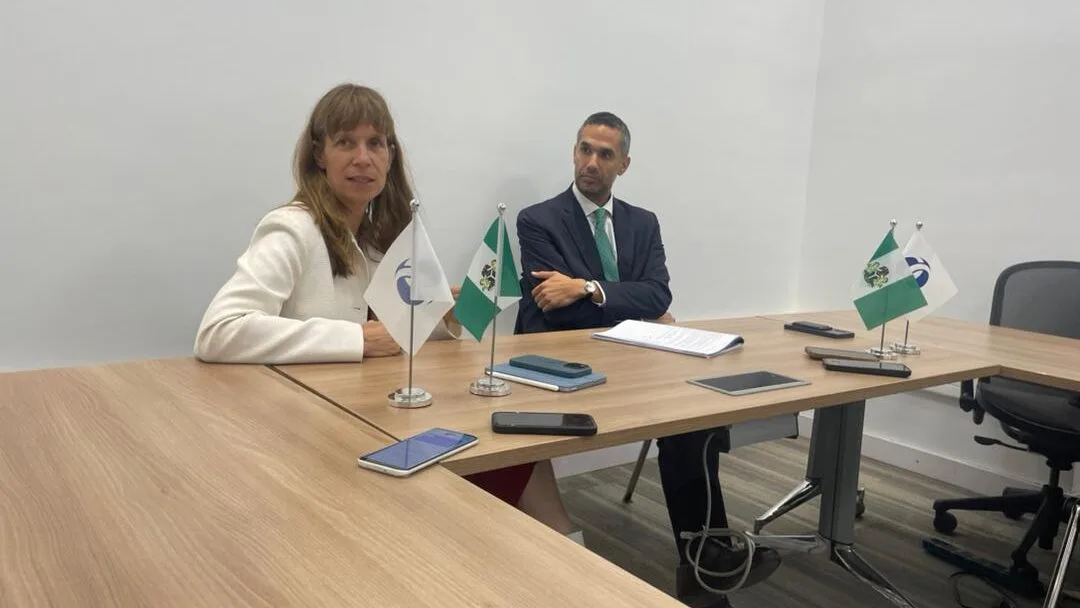
The projection was disclosed by the EBRD’s Managing Director for Sub-Saharan Africa, Heike Harmgart, and the bank’s Country Director and Head of Nigerian operations, Hamza Al-Assad.
The bank said similar offices will also be opened in other Sub-Sahara African countries including Kenya, Senegal, Cote d’Ivoire, and Benin Republic.
Ms Harmgart said the bank had adopted a demand-driven investment approach and would continue to finance viable projects rather than work with predetermined allocations in Nigeria.
‘We are very demand-driven, so we are working on projects as they come. We don’t have an envelope and say Nigeria will receive a specific amount this year. If we have lots of good projects, we will do lots of investments.’
Ms Harmgart noted that the bank had already committed about $280 million in Nigeria within its first year of operation, including $180 million invested in the first half of the year.
A key area of focus for the EBRD is trade finance, with the bank committing $100 million to a trade finance facility for Access Bank in Nigeria.
The facility aims to improve access to finance for importers and exporters while supporting intra-African trade under the African Continental Free Trade Area (AfCFTA).
Ms Harmgart said trade finance would remain one of the bank's major instruments for strengthening trade across the continent.
She added that the bank was replicating similar trade finance initiatives across other African markets, building on investments it has made in North Africa over the past decade.
The EBRD boss said the investments will make trading activities much easier for importers and exporters in Nigeria to obtain pre-import financing and post-export financing.
Heike Harmgart has been the Managing Director for Sub-Saharan Africa at the EBRD since 2020. Before that, she was the Head of the EBRD’s operations in the North Africa region.
The EBRD has been expanding its operations in Africa in recent years, with a focus on supporting private sector development and promoting regional trade.
The bank has invested roughly $500 million across its five new African markets (Sub-Sahara Africa) during its first year of operations.
The EBRD plans to open additional offices in other Sub-Saharan African countries, including Kenya, Senegal, Cote d’Ivoire, and Benin Republic.
The bank’s investment model aligns with its broader strategy of promoting private sector development, with about 80 per cent of its financing going to private businesses, financial institutions and investors.
Mr Al-Assad said discussions were ongoing with several other Nigerian lenders, with a focus on trade finance products and senior debt opportunities.
The EBRD has been in operations in Nigeria for less than a year, but has already committed to investing at least $1.5 billion over the next three years.
The bank's investment in Nigeria is part of its broader strategy to support private sector development and promote regional trade in Africa.
Ms Harmgart said the EBRD was ‘very proud’ of its achievements in Nigeria, adding that the bank was ‘looking at around $300 million this year, but we don’t have a particular ceiling or target as such’.
The EBRD aims to pursue as many opportunities as possible in Nigeria, with a focus on supporting private sector development and promoting regional trade.
The bank plans to continue working with financial institutions in Nigeria to provide trade finance and other financial products to support regional trade.
Ms Harmgart said the EBRD was ‘very excited’ about the opportunities for growth and development in Nigeria, adding that the bank was ‘committing to investing at least $1.5 billion over the next three years’.
The EBRD's investment in Nigeria is a significant development for the country's private sector, with the bank committing to investing at least $1.5 billion over the next three years.
The EBRD plans to continue working with financial institutions in Nigeria to provide trade finance and other financial products to support regional trade.
The bank's investment model aligns with its broader strategy of promoting private sector development, with about 80 per cent of its financing going to private businesses, financial institutions and investors.
Ms Harmgart said the EBRD was ‘very proud’ of its achievements in Nigeria, adding that the bank was ‘looking at around $300 million this year, but we don’t have a particular ceiling or target as such’.
The EBRD aims to pursue as many opportunities as possible in Nigeria, with a focus on supporting private sector development and promoting regional trade.
The bank plans to continue working with financial institutions in Nigeria to provide trade finance and other financial products to support regional trade.
Ms Harmgart said the EBRD was ‘very excited’ about the opportunities for growth and development in Nigeria, adding that the bank was ‘committing to investing at least $1.5 billion over the next three years’.