

Between 700 and 1,000 more Nigerians will be evacuated from South Africa in the coming weeks, the Nigerians in Diaspora Commission (NIDCOM) has said. The announcement came just hours after the first batch of 258 evacuees landed in Lagos on Thursday morning.
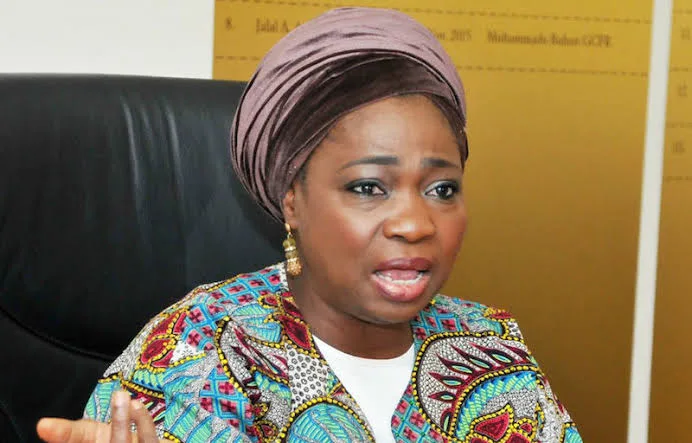
Chairman of NIDCOM Abike Dabiri-Erewa disclosed the figures in an interview on Channels TV on Thursday evening. She said the government expects to bring back three to five more batches. “Let them come back home. Let us ensure that they are taken care of when they come back home,” she said.
The evacuation operation was launched after a fresh wave of anti-immigrant protests and xenophobic attacks in South Africa. The first batch arrived aboard an Air Peace flight at the Murtala Muhammed International Airport. They were escorted by officials from the Nigerian Mission in South Africa, led by Acting High Commissioner Ambassador Temitope Alexander Ajayi. Minister of State for Foreign Affairs Ambassador Sola Enikanolaiye received them on arrival.
Dabiri-Erewa described the condition of many returnees as heartbreaking. Several were forced to abandon businesses, homes, and investments built over many years. She stressed that none of them were involved in criminal activity. “The only crime they committed is the colour of their skin. They're black migrants in South Africa,” she said.
Now attention has shifted from evacuation to reintegration. Several government agencies and private organisations have stepped in with immediate support. NIMC was on ground to provide identification for the returnees. MTN gave each returnee N100,000 cash and N50,000 airtime. Governor Hope Uzodimma gave N1 million each to Imo indigenes among them. Another private organisation also provided support.
Relevant agencies are now profiling the returnees to identify their skills and determine what kind of help they need. The Refugee Commission has begun asking them what they can do and what business they want to restart. “We want to ensure that by the time we see them again, they'll be telling good stories,” Dabiri-Erewa said.
On the recurring attacks, Dabiri-Erewa said the issue should no longer be treated as a bilateral dispute between Nigeria and South Africa. She called it a challenge for the entire African continent. “Africa as a continent needs to look at this because it's not just Nigerians. We have a larger number because of our population, but this hostility towards fellow Africans must stop,” she said.
She expressed frustration over the repeated attacks and the slow pace of diplomatic solutions. “Enough is enough. Enough really has to be enough,” she said.
She also urged Nigerians at home and abroad to project a positive image of the country. “We have to celebrate the best of who we are as Nigerians. Let's stop condemning ourselves and start telling our own stories,” she said.
Dabiri-Erewa maintained that the government will continue to protect Nigerians abroad. But she also said citizens have a responsibility to conduct themselves properly and contribute to improving the country's reputation globally.