

'The decision gives a lot not just for press freedoms but individual freedoms as well,' ZLHR executive director Bellinda Chinowawa told AFP.
Faith Zaba, editor of the Zimbabwe Independent, was arrested in July 2025 after publishing a column titled “When You Become a Mafia State” in the newspaper’s satirical muckraker section. Prosecutors charged Zaba with undermining Mnangagwa’s authority, alleging the article was intended to incite hostility toward the 83-year-old president.
Zaba spent nearly a year on trial, during which time she was detained at the dreaded Chikurubi maximum security prison on the outskirts of Harare and made numerous court appearances.
The High Court in Harare quashed the charges on Friday, the Zimbabwe Lawyers for Human Rights (ZLHR), which represented Zaba, said. The ruling was issued in chambers, and the parties were awaiting the formal written order.
Zaba expressed her gratitude to those who stood by her, saying: 'My deepest gratitude to everyone who stood with me, spoke out, prayed, advocated, and refused to let me walk alone.' Rights groups and opposition parties have accused Mnangagwa’s government of using criminal laws to silence dissent, an allegation it denies.
Zimbabwe’s lower house of parliament passed a constitutional amendment bill on Thursday that would extend the terms of some elected officials and scrap direct presidential elections. Critics accuse Mnangagwa and his allies of seeking to extend his rule beyond 2028.
Zimbabwe ranks 124th out of 180 countries in Reporters Without Borders’ latest World Press Freedom Index, down from 106th a year earlier.
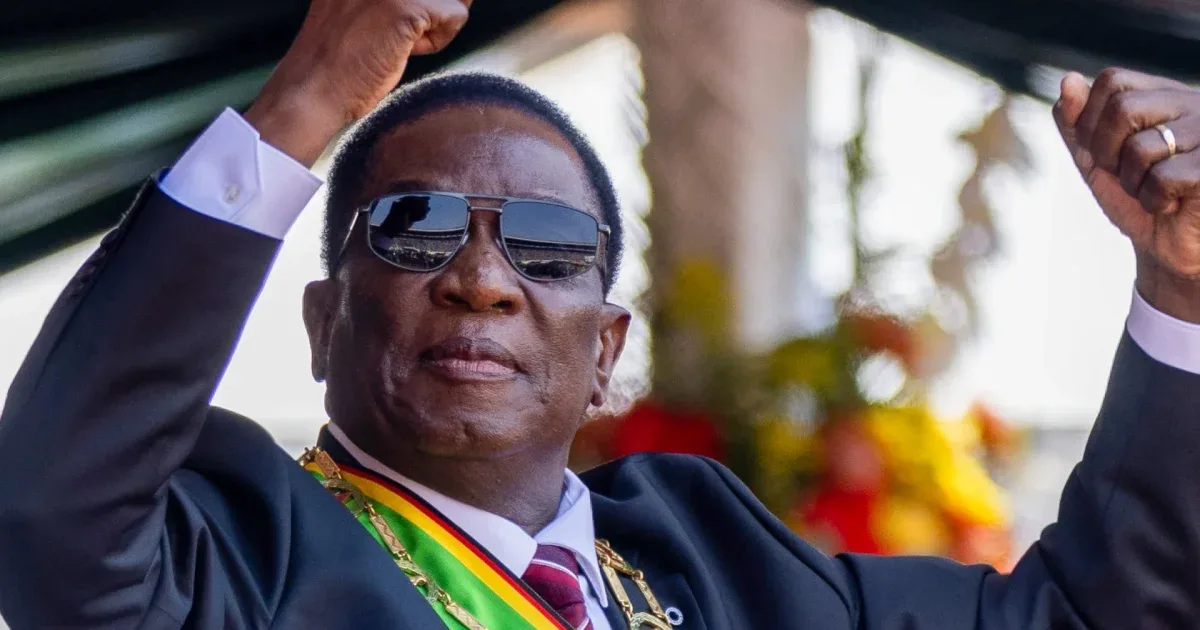
Mnangagwa, who came to power in 2017 after the military ousted long-time dictator Robert Mugabe, was elected president in 2018 and re-elected in 2023. He has been accused of suppressing opposition and dissent through the use of repressive laws and security forces.
The acquittal comes after a long period of repression and intimidation against journalists and opposition politicians in Zimbabwe, with many facing charges of inciting public violence or undermining authority.
The acquittal is seen as a significant victory for press freedom in Zimbabwe, but opposition groups say it will not change the government’s behavior.
And as the country struggles with economic and social challenges, many question the government’s motives for passing the controversial constitutional amendment bill.
The ruling has set a precedent for the treatment of the press in Zimbabwe, but it remains to be seen whether the government will respect it.
Faith Zaba’s acquittal has sparked a heated debate in Zimbabwe about the role of the media in holding those in power accountable.
In the wake of the ruling, many have called for greater freedoms for journalists and the abolition of laws that restrict the press.
Yet, the government continues to insist that its actions are necessary to maintain stability and order in the country.
Faith Zaba is seen by many as a symbol of the struggle for press freedom in Zimbabwe.
She has been a vocal critic of the government and has faced numerous charges for her writing.
The acquittal marks a major victory for Zaba and a significant setback for the government.
Zimbabwe’s press ranks 124th globally due to the restrictive environment, where journalists often face harassment, intimidation, and arrest for simply doing their job.
The acquittal of Faith Zaba is a testament to the ongoing struggle for press freedom in Zimbabwe.
While it is a significant victory, it will not change the government’s behavior without greater oversight and accountability.
In 2023, Mnangagwa was re-elected in a disputed election, which saw opposition parties and observers raising concerns about the lack of transparency and fairness.
Mnangagwa’s administration has been criticized for its human rights record, including the use of excessive force against protesters and the jailing of political opponents.
Zaba’s acquittal comes at a time when the government is pushing for constitutional changes that could extend Mnangagwa’s rule beyond 2028.
The acquittal is seen as a major setback for the government’s efforts to silence critics and opposition figures through the courts.
It marks a significant victory for press freedom in Zimbabwe, but it remains to be seen whether the government will respect the court’s ruling.