

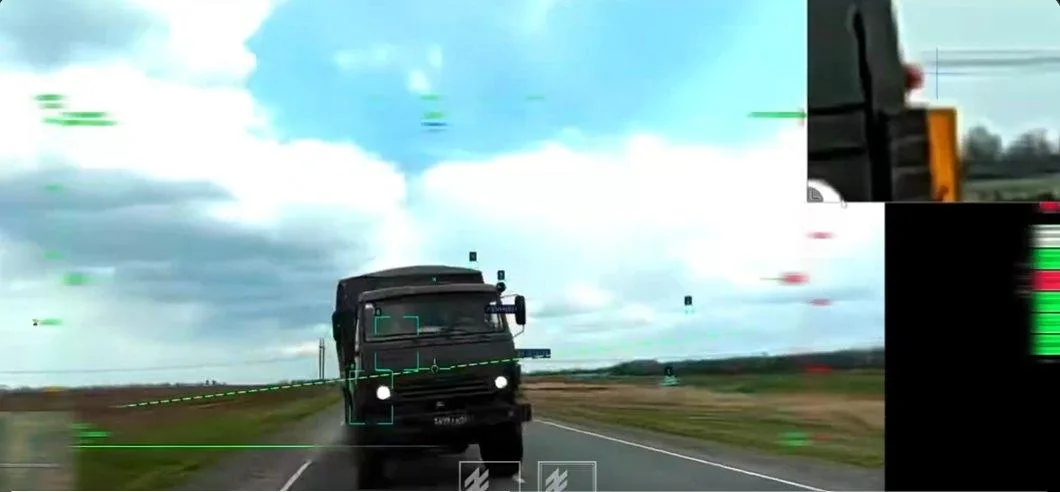
The Ukrainian military has been using medium-range drones to hit targets between 12 and 200 kilometers from the front lines, causing significant concern for the Russian military. These drones, nicknamed 'Martian' by the Russians, are specifically designed to seek out and destroy fuel tankers and other vehicles carrying military supplies, making previously safe areas vulnerable to attack. They're proving to be a major challenge for the Russian military, and it's clear that they're having a significant impact on the conflict.
What's making these 'Martian' drones even more effective is their advanced technology, which makes them nearly undetectable and resistant to electronic warfare. The drones use visual navigation, developed by NASA for Mars missions, which means they don't rely on GPS. This makes them immune to GPS jamming. They're also equipped with American Qualcomm chips and have an AI-enabled targeting system, allowing them to lock onto targets with high accuracy.
The 'Martian' drones' communication system is a significant innovation. It uses a digital modem to hide its communications in civilian Wi-Fi traffic, making it almost impossible to detect. The Russians believe that the drones use a mesh radio, creating a covert communications network behind their lines. This technology has been developed with the help of Eric Schmidt, the former Google CEO, who has been investing in drone warfare technology. He's been a strong advocate for the use of drones in warfare, stating that 'the future of war will be dictated and waged by drones.'
Schmidt's company, Swift Beat, has been supplying the Ukrainian military with hundreds of thousands of drones, including the 'Martian' drones, at cost price. The company has also been working with the US military, providing them with hardware and technology. Schmidt's involvement in drone warfare technology is a significant factor in the development of these advanced drones.
The impact of these drones has been significant, with the Russians struggling to keep up with the attacks. The drones have been able to hit targets deep behind enemy lines, disrupting supply chains and causing significant damage. The Russians have been trying to develop counter-measures, but so far, they haven't been able to effectively counter the 'Martian' drones.
Russian milblogger Hammer of the Witches says, 'The drone flies at low altitudes (around 200 m) along our transport routes, then locks on to the target and strikes.' He notes that 'this is an extremely dangerous drone—it's difficult to hear, undetectable by detectors, flies deep into our rear, and is resistant to electronic warfare.' The use of these drones has significant implications for the future of warfare.
As the technology continues to advance, we can expect to see more countries developing similar capabilities. This could lead to a significant shift in the way wars are fought, with drones playing a major role in disrupting supply chains and attacking enemy forces. The 'Martian' drones have already shown their effectiveness in the Ukraine-Russia conflict, and it's likely that we'll see more of them in future conflicts.
The 'Martian' drones have advanced technology and the ability to evade detection, making them a game-changer in modern warfare. They're a significant factor in the outcome of the war, and their use will likely continue to shape the conflict. With their ability to disrupt supply chains and attack enemy forces, they're a major concern for the Russian military.
Key Facts
- The 'Martian' drones use visual navigation, making GPS jamming useless.
- They're equipped with American Qualcomm chips and have an AI-enabled targeting system.
- The drones use a digital modem to hide their communications in civilian Wi-Fi traffic.
- Eric Schmidt's company, Swift Beat, has been supplying the Ukrainian military with hundreds of thousands of drones.
- The drones have been able to hit targets deep behind enemy lines, disrupting supply chains and causing significant damage.
The conflict in Ukraine continues, and it's likely that we'll see more of these advanced drones in action. They're a significant factor in the outcome of the war, and their use will likely continue to shape the conflict. The Russians are desperate to find a way to counter these drones, but so far, they haven't been able to develop an effective counter-measure.
The use of these drones has significant implications for the future of warfare, and it's likely that we'll see more of them in future conflicts. The 'Martian' drones are just one example of the advanced technology being used in the Ukraine-Russia conflict. As the war continues, we can expect to see more innovations and advancements in military technology.
The world is watching as the situation continues to unfold, and it's clear that the use of advanced drones like the 'Martian' will be a key factor in the future of warfare. With their ability to disrupt supply chains and attack enemy forces, they're a game-changer in modern warfare. The technology continues to advance, and we can expect to see more countries developing similar capabilities, changing the face of warfare forever.
The Russians will have to continue to find ways to counter the 'Martian' drones, which are proving to be a significant challenge for their military. The use of these drones has already had a significant impact on the conflict, and it's likely that they'll continue to play a major role in the outcome of the war. The 'Martian' drones are a significant innovation in military technology, and their use in the Ukraine-Russia conflict is just the beginning.
As the technology continues to advance, we can expect to see more innovations and advancements in military technology, changing the face of warfare forever. The 'Martian' drones are a significant example of this, and their use will likely continue to shape the future of warfare. They're a game-changer in modern warfare, and it's clear that they'll have a lasting impact on the way wars are fought.