

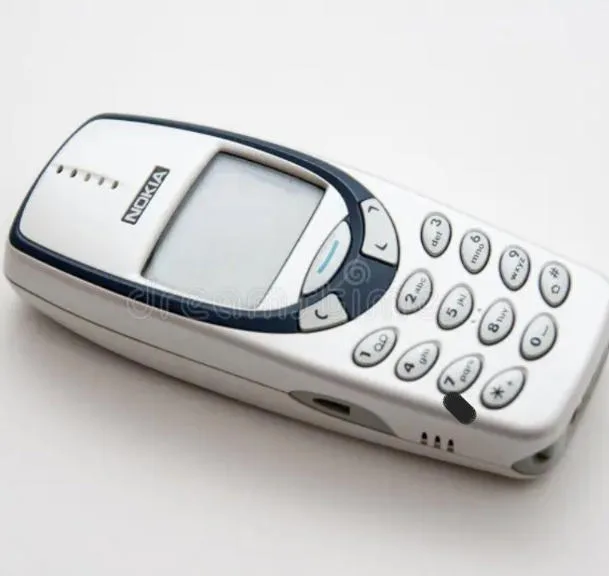
In a striking reversal across Africa's largest mobile market, an unexpected revolution is unfolding. Millions of Nigerian consumers are locking away their sleek, internet-connected Android smartphones, returning instead to basic, non-Android 'feature phones' due to the suffocating costs of mobile data and airtime.
For nearly a decade, cheap Android devices powered Nigeria's digital boom. But with inflation and currency depreciation taking a devastating toll on living standards, the monthly internet access bills that once seemed affordable are now impossible for ordinary citizens to pay.
For 35-year-old auto mechanic Idris Abubakar, the economic reality is stark. Every time he turns on his mobile data, his apps devour N1,000 worth of data within hours, leaving him with little option but to switch to a basic phone.
'I had to drop my Android phone in my drawer,' Abubakar said. 'I'm choosing between feeding my family and feeding a smartphone.'
Abubakar bought a small button phone for N14,000, a small price to pay for the simplicity and predictability of his telecom spending.
The mass migration to basic phones has been further accelerated by a recent regulatory clampdown. Major telecommunications operators suspended their popular emergency airtime and data borrowing services for millions of unverified accounts, cutting off a vital lifeline for low-income Nigerians who relied on these micro-credits to stay connected between jobs.
For Christiana Nwosu, a food stuff seller, this sudden loss of a safety net was the breaking point. 'When I could no longer borrow airtime via the shortcode, I found myself stranded,' she explained. 'With my old Android phone, if I do not have N500 for a data bundle, the phone is just a useless piece of plastic.'
Mrs. Nwosu, like many others, has turned to a basic phone, which allows her to make quick calls and send SMS messages without breaking the bank.
The transition to basic phones represents a significant bump in the road for Nigeria's ambitious digital economy blueprint, which aims for widespread broadband penetration.
However, microeconomic survival is taking priority over high-tech dreams. Economy&Lifestyle interrogation of retail phone sellers showed that while smartphone sales have slumped, wholesalers are struggling to keep up with the demand for basic keypad brands.
Small-scale data resellers are also feeling the pinch, as their customer base shrinks by the day. 'We are seeing a complete restructuring of consumer demand,' noted technology retail analyst Makinde Ayoola.
'The digital world comes with a heavy monthly tax, and people have realized that the luxury of staying online is not worth the financial burden.'
As millions of Nigerians opt for the simplicity of basic phones, the country's mobile operators and regulators must grapple with the implications of this seismic shift in consumer behavior.
For 19-year-old university student Halima Musa, the transition to a basic phone is socially difficult but financially liberating.
'I miss watching videos on TikTok and checking Instagram,' Musa said. 'But keeping up with an Android phone felt like maintaining a second house.'
The widening digital divide cuts off millions from online banking, remote learning, and digital trade, a harsh reality that will continue to shape Nigeria's mobile landscape for years to come.
The question now is whether Nigeria's mobile operators and regulators will adapt to the changing needs of their customers, or if the country will become a relic of the pre-smartphone era.
The answer remains to be seen, but one thing is certain: for many Nigerians, the future of mobile communication has firmly rooted in the past.