

The single sharpest fact in one or two punchy sentences. Who did what, where, when, and why it matters. Not a summary of everything — the one thing that makes someone stop scrolling. A reader who only reads this paragraph must understand what happened.
Former Vice President Atiku Abubakar has questioned President Bola Tinubu's decision to intervene in the Economic and Financial Crimes Commission's (EFCC) freeze on Osun State's government account. Atiku argued that Tinubu's move undermines his claim that anti-corruption agencies act independently of the Presidency. The African Democratic Congress (ADC) presidential candidate said, in a statement by his Senior Special Assistant on Public Communication, Phrank Shaibu, that Tinubu's intervention demonstrates that he can issue direct operational directives to anti-corruption agencies whenever he considers it expedient.
The Osun State government account was frozen by the EFCC, reportedly over a non-compliance with a court order. However, Atiku has questioned the government's conflicting accounts on the matter. He asked why the EFCC omitted the information about the court order from its official statement if indeed it existed. He also argued that if there was no court order, then the President has introduced a legal process that does not exist in the EFCC's narrative.
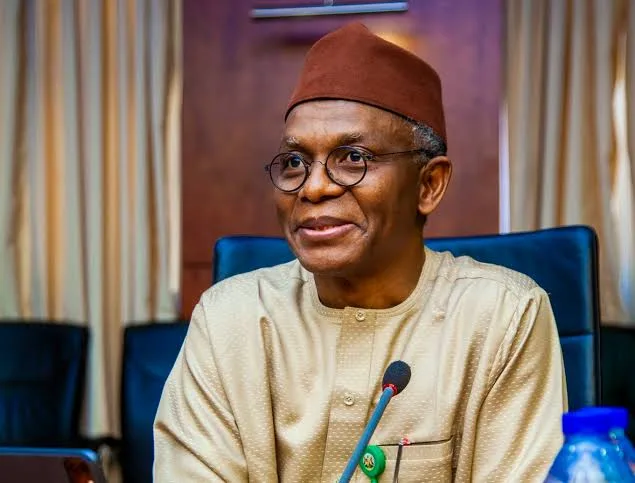
Atiku also questioned why Tinubu cannot exercise the same authority in the case of Mallam Nasir El-Rufai. El-Rufai has been detained by the Independent Corrupt Practices and Other Related Offences Commission (ICPC) over alleged corruption charges. Atiku argued that institutions cannot be independent only when it is politically convenient and subject to presidential directives whenever controversy arises. He added that reversing the Osun freeze does not resolve the deeper questions the episode has raised.
Democracy is not measured by the ability to reverse an injustice after public outrage, Atiku stated. It is measured by the discipline to prevent such injustice from occurring in the first place. The ADC presidential candidate also argued that Tinubu's intervention in the Osun matter has implications that go beyond the fate of one state or one detained politician.
Nasir El-Rufai, a former Governor of Kaduna State, is currently detained over corruption charges by the ICPC. El-Rufai was a key figure in the All Progressives Congress (APC), and his detention has raised concerns about human rights and the independence of anti-corruption agencies. Atiku has argued that Tinubu's move sets a bad precedent for the independence of anti-corruption agencies in Nigeria.
The EFCC's decision to freeze Osun State's government account has been widely criticized, with many Nigerians calling for the reversal of the decision. The ADC presidential candidate, Atiku Abubakar, has also called for the release of Nasir El-Rufai, saying that Tinubu's intervention in the Osun matter undermines his claim that anti-corruption agencies act independently of the Presidency.
If indeed there was a court order, why did the EFCC omit such a fundamental fact from its official account?
The single sharpest fact in one or two punchy sentences. Who did what, where, when, and why it matters. Not a summary of everything — the one thing that makes someone stop scrolling. A reader who only reads this paragraph must understand what happened. Atiku Abubakar has challenged President Bola Tinubu to direct the ICPC to release Nasir El-Rufai citing Tinubu's intervention in the Osun freeze.
Key Facts
- President Bola Tinubu intervened in the EFCC's freeze on Osun State's government account.
- The Osun State government account was frozen by the EFCC over a non-compliance with a court order.
- Atiku argued that Tinubu's move undermines his claim that anti-corruption agencies act independently of the Presidency.
- Nasir El-Rufai is currently detained by the ICPC over corruption charges.
- El-Rufai was a key figure in the All Progressives Congress (APC).