

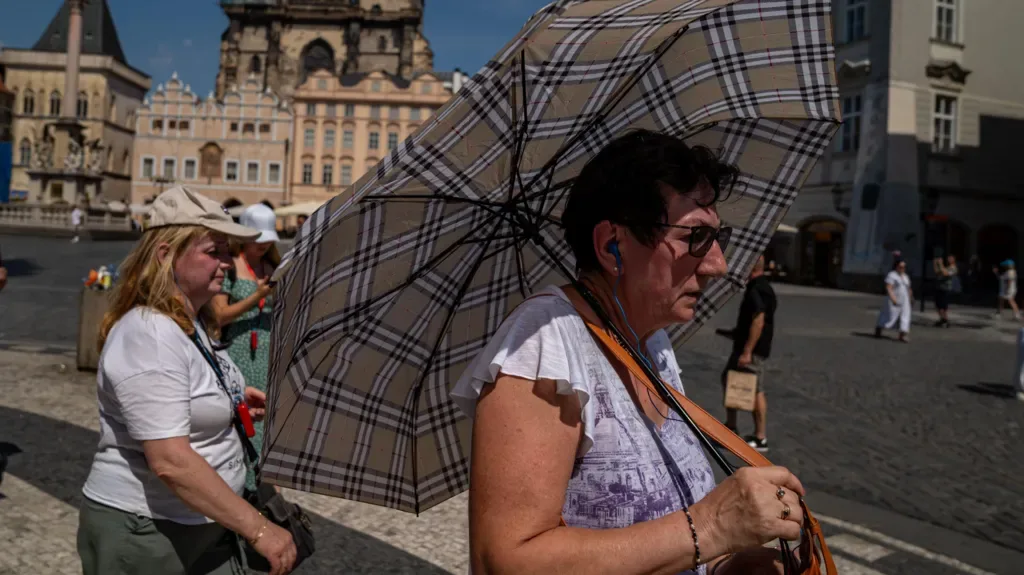
The heatwave that has gripped Europe has broken records in Germany, Denmark, and the Czech Republic, leaving millions of people struggling in extreme heat. Temperatures soared to 41.5C in Germany, making it the country's highest temperature ever recorded.
The extreme heat has been linked to the deaths of hundreds of people over the past week, with Spain's MoMo monitoring system recording 327 deaths that could be linked to the heat. The World Meteorological Organization has warned that the heatwave would have 'major impacts' on health and ecosystems. In Germany, police deployed two water cannons to spray mist onto people in Berlin, a move that brought relief to many.
Ben Rich, a BBC weather forecaster, attributed the record temperatures to a 'heat dome' that has formed over the continent. The dome is a slow-moving area of high pressure that has caused temperatures to rise and skies to remain cloud-free. Rich added that the extreme heat will continue over the weekend into Monday, with temperatures above 40C still possible in some places.
The World Weather Attribution team has said that climate change is 'unequivocally' to blame for the heatwave. The team added that a heatwave of this magnitude so early in the summer would have been virtually impossible 50 years ago. Since the heatwave began, the number of drowning deaths in France has risen to at least 55, with two-thirds of them having swum in unsupervised areas.
An estimated 150 million people in Europe are now experiencing temperatures of over 35C. The extreme heat has also caused a surge in hospitalizations, with many people seeking treatment for heat-related illnesses. The World Health Organization has urged people to stay indoors, drink plenty of water, and avoid strenuous activities during the hottest part of the day.
As the heatwave continues to sweep across the continent, experts are warning of the potential risks to public health. They are urging people to take precautions to stay safe in the heat and to seek medical attention if they are experiencing heat-related symptoms. The heatwave is expected to last for several more days, and people are advised to stay informed about the latest weather forecast and to follow safety guidelines.
The World Meteorological Organization has warned that the heatwave could have severe consequences for the region's ecosystems. They are urging people to take action to mitigate the effects of the heatwave and to report any extreme weather conditions to their local authorities.
'This exceptional heatwave has been caused by a slow-moving persistent area of high pressure, a so-called 'heat dome'.'
- Ben Rich
The heatwave has also had a significant economic impact, with several countries experiencing a decline in productivity and economic output. The European Union has estimated that the heatwave could cost the region billions of euros in lost economic output.
As the heatwave continues to grip Europe, people are advised to stay vigilant and to take all necessary precautions to stay safe. The European weather service has warned that the heatwave is expected to last for several more days, and people are advised to stay informed about the latest weather forecast and to follow safety guidelines.