

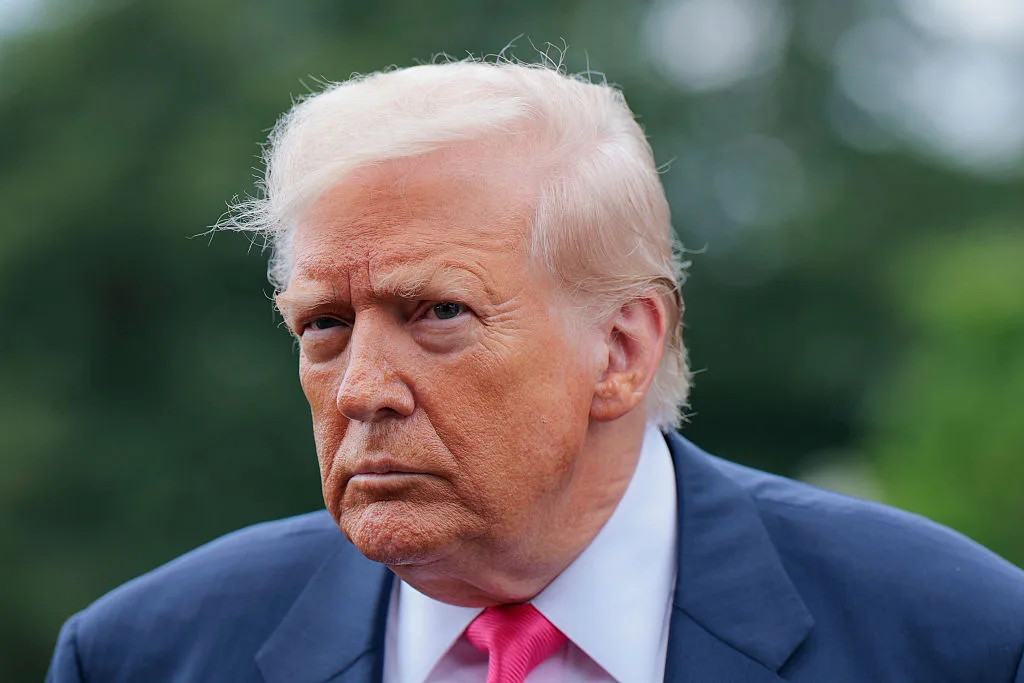
President Donald Trump has delayed signing an executive order that would allow the government to evaluate AI models before they're released. This order was meant to ensure the security of AI models, but Trump isn't convinced it's the right move. He didn't like the language of the order.
Trump told the White House press pool, 'I didn’t like certain aspects of it.' He also said, 'We’re leading China, we’re leading everybody, and I don’t want to do anything that’s going to get in the way of that leading.' This statement suggests Trump believes the order could hamper the US's position in the global AI race.
The order's language is a key concern for Trump. He wants to make sure the US remains at the forefront of AI development. Any regulations that could slow this down are a no-go for him. Trump's decision to delay the order has sparked debate about the balance between AI development and security.
'I didn’t like certain aspects of it,' Trump said. 'We’re leading China, we’re leading everybody, and I don’t want to do anything that’s going to get in the way of that leading.'
Donald Trump is the 45th President of the United States, and his administration has been keen on promoting American leadership in AI. The delayed order is part of a broader effort to regulate AI and ensure its safe development. Trump's concern about the order's language indicates he's willing to take a cautious approach to avoid stifling innovation.
The US has been investing heavily in AI research, with companies like Google, Facebook, and Microsoft leading the charge. China, however, has been rapidly catching up, with its own AI initiatives and investments. The competition between the two nations has been heating up. Trump's decision reflects the high stakes involved.
As the global AI landscape continues to evolve, the US government will need to find a balance between promoting innovation and ensuring security. Trump's delay of the executive order is a sign that this balance is still being sought. The implications of this decision will be closely watched by industry leaders and policymakers alike. They're waiting to see how the order is revised and implemented.
Key Facts
- The executive order aimed to regulate AI models before their release
- Trump delayed the order due to concerns about its language
- The US is currently leading in AI development, but China is catching up
- Trump's administration has been promoting American leadership in AI
- The delay reflects the high stakes in the global AI competition
The delay of the executive order has significant implications for the AI industry. Companies developing AI models will need to wait and see how the order is revised before it's implemented. This uncertainty could affect investment and development plans. Companies may be hesitant to move forward without clear guidance. They won't know what regulations to follow or how to ensure their models meet the required standards.
In the broader context, Trump's decision highlights the complexities of regulating emerging technologies. As AI continues to advance, governments will need to navigate the fine line between promoting innovation and ensuring public safety. The US, in particular, will need to balance its desire to lead in AI development with the need to address concerns about AI security. It's a delicate balance that won't be easy to achieve.
The road ahead for the executive order is uncertain. Trump's administration will need to revisit the order's language and find a version that addresses his concerns. They'll need to provide a framework for AI regulation that promotes innovation while ensuring security. Until then, the AI industry will be watching closely, waiting for clarity on how to move forward. They're eager to know what the future holds for AI development in the US.