

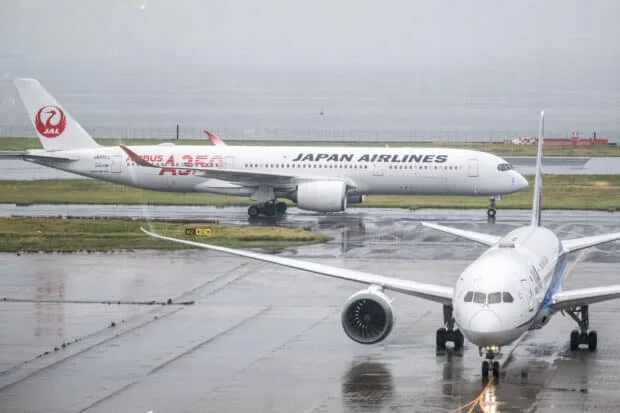
Imagine waking up at the crack of dawn, ready to catch your flight, only to be told you aren't going anywhere yet because someone else had a little too much fun the night before. That is exactly what happened to 186 passengers waiting at Hiroshima Airport this past Saturday. Their Japan Airlines Co. flight, which was supposed to leave at 7:40 a.m. for Tokyo’s Haneda airport, stayed grounded while the airline dealt with an unexpected personnel crisis.
It turns out a cabin attendant had spent the previous evening drinking with a colleague. When they showed up for work, the worker blew over the company's strict alcohol limit. Airlines have very little room for error when it comes to safety, and a flight crew under the influence is basically a non-starter for any aviation company that values its license and the lives of its passengers.
The cabin attendant had gone out with a colleague the previous evening and consumed an amount of alcohol exceeding company regulations.
Once the alcohol level was flagged, the cabin attendant was promptly removed from their duties for the trip. The colleague they were drinking with, who was also rostered for the same morning flight, didn't escape the fallout either. After the company was notified about the situation, this second crew member was also pulled from the shift. It’s a classic case of "damay-damay"—when one person messes up, their partner in crime often ends up in the same hot water, especially when professional rules are clearly spelled out.
The ripple effect of
a 40-minute delay
While 40 minutes might sound like a short time to wait in a terminal, it creates a massive headache for logistics teams. The flight eventually departed at 8:22 a.m., but delays like this force airport staff to shuffle ground crews, reset boarding times, and manage the mounting frustration of nearly 200 people sitting in a metal tube. For the airline, the real challenge is finding a replacement staff member on such short notice without compromising the mandatory crew-to-passenger ratio required by safety regulators.
Japan Airlines, often referred to as JAL, operates as the flag carrier of Japan and is well-known for its punctuality and high service standards. When things go wrong, the company usually has to act fast to avoid long-term reputation damage. Replacing a cabin crew member at a regional airport like Hiroshima at 7:00 a.m. is no small task. They likely had to pull someone from a reserve list or wait for a replacement to be cleared, which explains the specific length of the delay.
This incident highlights how even the most high-tech, multi-billion dollar aviation industry remains dependent on the personal discipline of its workers. Whether you are flying on a massive international carrier or a domestic shuttle, the human element is always the most volatile variable. The company hasn't released the names of the individuals involved, but they’ve confirmed that internal investigations are typically standard procedure in situations where company safety protocols are ignored.
In the Philippine context, where many OFWs work as flight attendants for international airlines, the strictness of these rules is legendary. One single drink too many can easily end a career that took years to build. For the passengers in Hiroshima, the extra wait was definitely an annoyance, but it serves as a stark reminder of the zero-tolerance policy that keeps the skies safer for everyone else.