

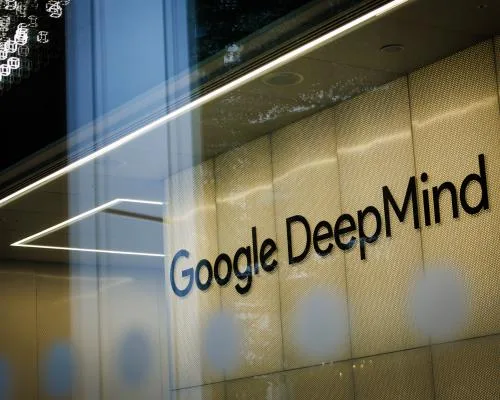
Google DeepMind, the artificial intelligence arm of Google, has agreed to enter formal talks with UK tech workers, potentially leading to trade union representation. This decision comes amid growing staff concerns about the use of its AI by the US and Israeli governments' defense and intelligence.
The move is seen as groundbreaking, given Google's size and influence. The talks will be held at the Advisory, Conciliation and Arbitration Service (Acas) after several hundred workers at its London headquarters voted to unionize. Demis Hassabis, the Nobel prize winner leading Google DeepMind, has been at the forefront of the company's efforts to develop and apply AI in various fields. He's been working to develop and apply AI, and it's a key part of the company's efforts.
Google DeepMind declined to voluntarily recognize the unions for collective bargaining purposes but said in a staff email that talks at Acas “may lead to a formal ballot in a few months’ time, giving all eligible employees the opportunity to vote on whether they want to be represented by the unions”. The company is facing a court challenge from a DeepMind AI researcher of Palestinian heritage who alleges he was wrongfully dismissed after protesting against its work for the Israeli government. He didn't leave voluntarily, and he's taking the company to court.
The researcher is a member of the United Tech and Allied Workers’ Union, a branch of the CWU. Google disputes his account of his departure. They don't agree on what happened, and it's a point of contention. Israeli officials have credited Google’s cloud computing with enabling “phenomenal things [to] happen in combat” during the Gaza conflict. Hundreds of workers have signed petitions raising concerns about the application of the technology.
They're worried about how it's being used, and they want something to be done. Concern has been rising since the company’s 2025 decision to drop a promise not to allow its technologies to be used in harmful weapons or surveillance that violated international norms. They dropped this promise, and it's caused a lot of concern.
A Google DeepMind spokesperson said: “We’ve declined the unions’ request for voluntary recognition to bargain collectively on pay, hours and holiday, but we have offered to meet via Acas, which is a standard next step. We continue to value the constructive and direct dialogue that we have with our employees about building a positive and successful workplace.” They're willing to talk, but they won't recognize the union automatically.
A CWU source said: “It’s a concession that they need to address some of the serious issues on the shopfloor. There’s clearly a groundswell of opinion about the contracts they are expected to serve, for example the relationship with drone technology and the Israeli government and the relationship with the US military. This is definitely a step forward, and they are not just shutting this off.” The source thinks it's a good thing that the company is willing to talk.
The talks between Google DeepMind and the unions will focus on addressing staff concerns and potentially leading to a formal agreement on representation. The outcome of these talks will be closely watched, given the implications for the tech industry and the use of AI in defense and intelligence. It's a big deal, and people will be paying attention.
Google DeepMind's decision to engage with the unions marks a significant development in the company's approach to staff concerns. The company's ability to listen to its employees and address their concerns will be crucial in maintaining a positive work environment. They need to listen to their employees, and it's essential that they do. Ensuring that its AI technologies are used responsibly is also important. They can't just ignore the concerns of their employees.
As the use of AI in defense and intelligence continues to grow, companies like Google DeepMind will face increasing scrutiny over their role in these sectors. They won't be able to avoid it, and they'll have to deal with it. The talks between Google DeepMind and the unions will provide valuable insights into how companies can balance their business interests with the concerns of their employees. They'll show how it can be done, and it'll be useful. They'll also provide insights into the broader ethical implications of their work.
It's not just about the company; it's about the impact on society.
The outcome of the talks between Google DeepMind and the unions will have significant implications for the tech industry and the use of AI in defense and intelligence. As the world becomes increasingly reliant on AI technologies, companies will need to ensure that they are using these technologies in a responsible and ethical manner. They can't just use them however they want; they have to think about the consequences.
In the context of the growing use of AI in defense and intelligence, the talks between Google DeepMind and the unions highlight the need for companies to engage with their employees and address their concerns. They need to talk to their employees and listen to what they have to say. The use of AI in these sectors raises important ethical questions, and companies will need to balance their business interests with the need to ensure that their technologies are used in a way that is consistent with human values. They can't just prioritize profits; they have to think about people.
The talks between Google DeepMind and the unions will provide a valuable opportunity for the company to demonstrate its commitment to responsible AI development and use. By engaging with its employees and addressing their concerns, Google DeepMind can help to build trust. They can show that they're serious about doing the right thing. They can also ensure that its AI technologies are used in a way that benefits society as a whole. It's not just about the company; it's about the impact on the world.
As the world continues to grapple with the implications of AI, the talks between Google DeepMind and the unions will be closely watched. The outcome of these talks will have significant implications for the tech industry and the use of AI in defense and intelligence, and will provide valuable insights into how companies can balance their business interests with the need to ensure that their technologies are used responsibly. People will be paying attention, and they'll be waiting to see what happens.
Key Facts
- Google DeepMind has agreed to talks with UK unions over AI use concerns
- The talks will be held at the Advisory, Conciliation and Arbitration Service (Acas)
- Several hundred workers at Google DeepMind's London headquarters voted to unionize
- Google DeepMind declined to voluntarily recognize the unions for collective bargaining purposes
- The company is facing a court challenge from a dismissed AI researcher
The outcome of the talks between Google DeepMind and the unions will be significant, and it will have a big impact on the tech industry. Companies will be watching, and they'll be waiting to see what happens. They'll be looking for guidance on how to balance their business interests with the need to ensure that their technologies are used responsibly. It's a complex issue, and it won't be easy to resolve. But it's essential that they try, and that they get it right.