

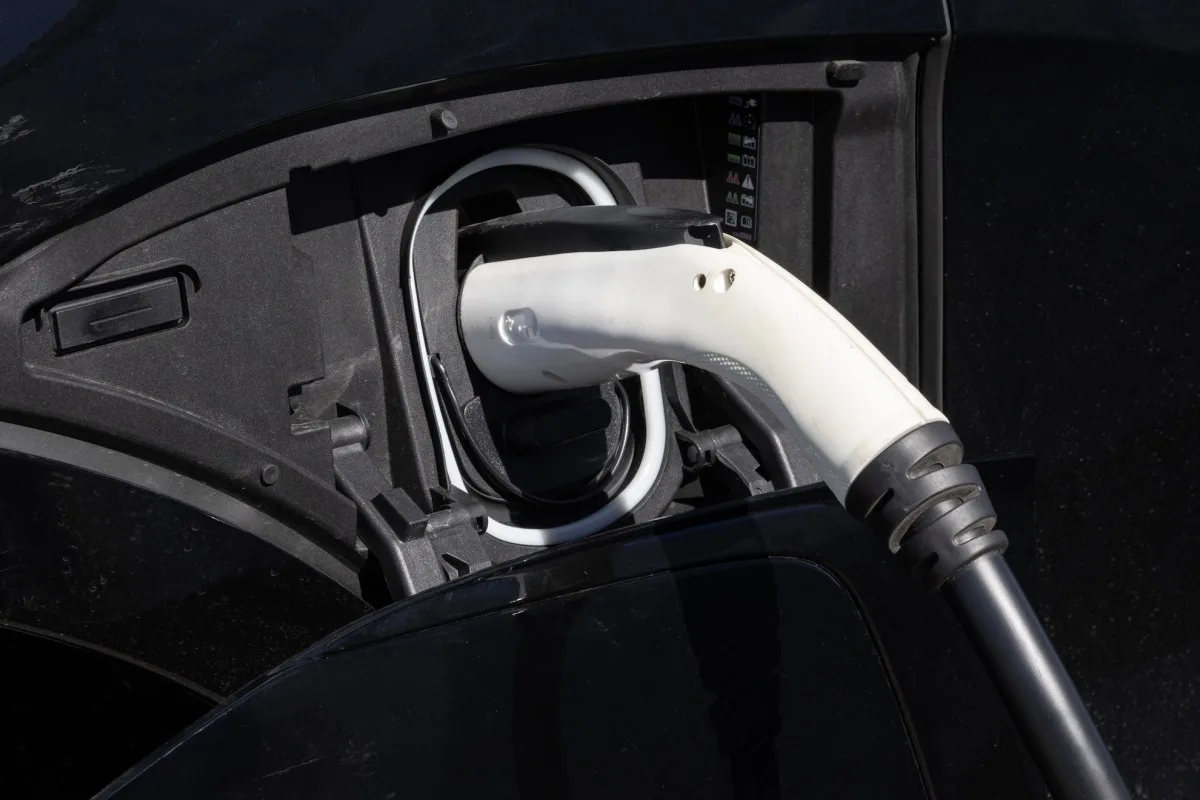
The global electric vehicle market has gone K-shaped, with the US getting left behind. According to a new report from the International Energy Agency, EV sales surpassed 20 million units last year, capturing 25% of the global market. This growth isn't slowing down.
In China, for example, EV sales have been skyrocketing, with the country accounting for a significant chunk of global sales. They're a major player in the market. But it's not just China - other regions like Latin America have also seen a surge in EV sales. There's been a 75% growth in sales in Latin America.
The US is struggling to keep up with the rest of the world when it comes to EV adoption. EVs account for only around 10% of the market share in the US, with sales stagnant. The US is one of the largest auto markets in the world, but it can't seem to keep up.
Other countries have been more aggressive in promoting EVs through incentives and investments in charging infrastructure. China's government has invested heavily in EV charging stations, making it easier for people to own and use EVs. They've made it convenient.
The US has been slower to adopt EV-friendly policies. While some states like California have been pushing for more EV adoption, the federal government has been more hesitant. It won't invest in EV infrastructure, which has made it harder for the US to keep up with the rest of the world.
As the world continues to shift towards electric vehicles, the US is at risk of being left behind. Countries like China and Norway are leading the charge. It's clear that EVs are the future of transportation. The US needs to make some significant changes to its policies and investments in EV infrastructure to catch up.
Key Facts
- 20 million EV units sold globally last year
- 25% of the global market captured by EVs
- 75% growth in EV sales in Latin America
- 10% market share of EVs in the US
- China accounts for a significant chunk of global EV sales
The International Energy Agency report highlights the need for countries to invest in EV infrastructure and promote EV adoption. The world is transitioning towards electric vehicles, and countries that don't keep up will be left behind. They can't afford to fall behind.
"The global electric vehicle market is growing rapidly, with many countries investing heavily in EV infrastructure and incentives," said the International Energy Agency. They're investing big.
The shift towards electric vehicles isn't just about the environment - it's also about economics. Many countries are investing in EVs, which is decreasing the cost of production. This makes EVs more competitive with traditional gas-powered vehicles. They're becoming more affordable.
The US is struggling to keep up with the rest of the world, and it's clear that something needs to change. The global EV market is continuing to grow, and the US can't afford to be left behind. It's time for the US to invest in EV infrastructure and promote EV adoption if it wants to remain a leader in the auto industry. It won't be easy, but it's necessary.
The future of transportation is electric, and countries that don't adapt won't be able to compete. The global EV market is continuing to grow, and the US needs to make some significant changes to its policies and investments in EV infrastructure. The question is, will it be able to catch up, or will it be left behind? Only time will tell, but one thing's for sure - the US can't wait any longer to make a change. It's time to act.