

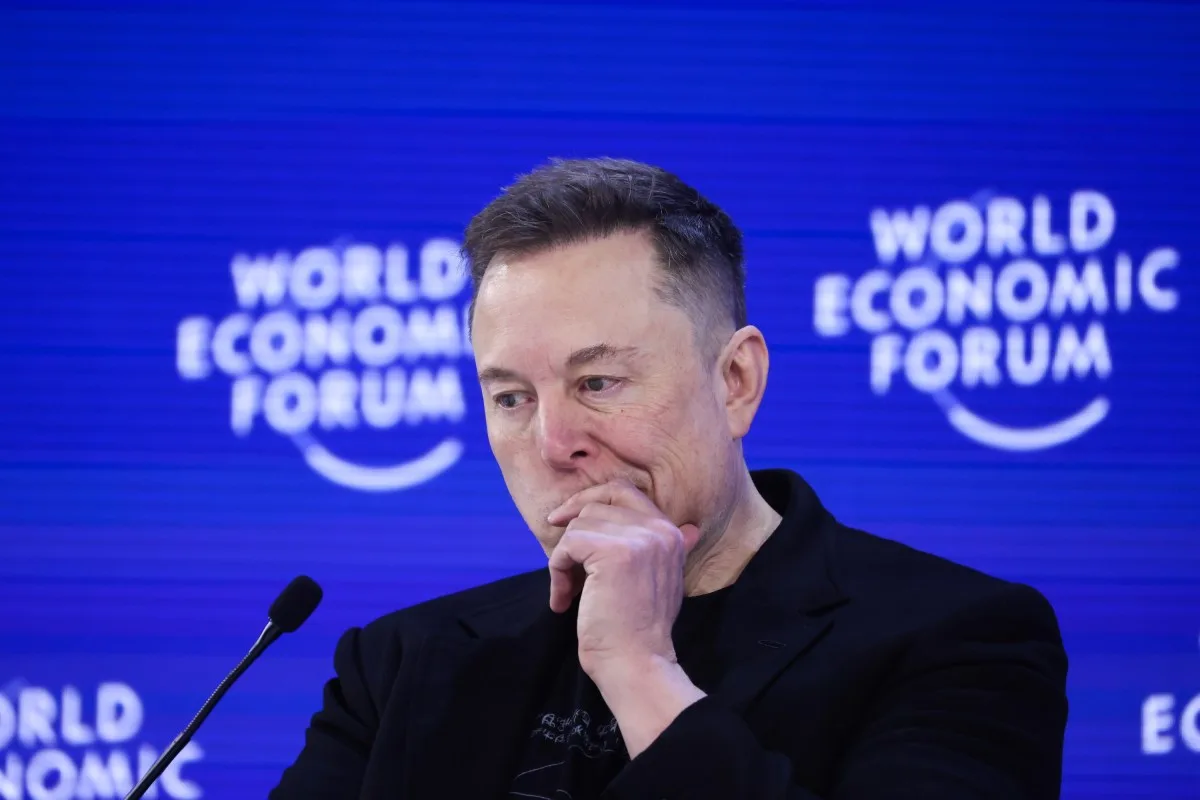
Elon Musk, the billionaire CEO of Tesla and SpaceX, has lost his lawsuit against Sam Altman and OpenAI. On May 18, 2026, nine California jurors delivered a unanimous verdict that Musk's lawsuits had been filed too late. They didn't find any evidence to support Musk's claims that he'd been harmed by the other co-founders of OpenAI.
The lawsuit, which was filed by Musk, claimed that Sam Altman, Greg Brockman, OpenAI, and Microsoft had “stolen a charity” by creating a for-profit affiliate to the frontier AI lab. However, the jurors found that any harm Musk suffered came before the deadline for filing his claims under the law. They're saying that Musk's claims were filed too late, and that's why they didn't support him.
Sam Altman is the CEO of OpenAI, a company he co-founded with Musk, Greg Brockman, and others. OpenAI is a research organization that aims to develop and promote friendly AI. The company has gained significant attention in recent years for its advancements in AI technology, including the development of ChatGPT, a conversational AI model. It's a model that's been widely used and has shown great potential for AI applications.
The lawsuit was a result of a dispute between Musk and the other co-founders of OpenAI. Musk had claimed that he was mistreated by his co-founders and that they'd taken actions that harmed his interests. However, the jurors didn't find enough evidence to support Musk's claims. They're saying that Musk's claims were unfounded, and that the other co-founders didn't harm him.
The verdict is a significant defeat for Musk, who has been involved in several high-profile lawsuits in recent years. Musk has a reputation for being a fierce and relentless litigant, but in this case, he was unable to convince the jurors that his claims had merit. He won't be able to recover from this loss easily, and it's likely to affect his future lawsuits.
The case has significant implications for the tech industry, particularly in the area of AI development. The verdict suggests that companies and individuals can create for-profit affiliates to non-profit organizations without fear of being sued for “stealing a charity.” This could lead to more innovation and investment in the AI sector. It's likely to have a positive impact on the industry, and we'll see more companies investing in AI.
The jurors' decision was based on the fact that Musk's claims were filed too late. Under the law, there's a statute of limitations that requires plaintiffs to file their claims within a certain time period. In this case, the jurors found that Musk had missed the deadline for filing his claims. He can't file his claims now, and he's lost his chance to pursue the lawsuit.
Musk hasn't commented on the verdict, but it's likely that he'll appeal the decision. The case has been closely watched by the tech industry and the media, and the outcome is likely to have significant implications for the future of AI development. We'll see how Musk reacts to the verdict, and what steps he'll take next.
As the verdict was delivered, many in the tech industry were shocked by the outcome. Some had expected Musk to win the case, given his reputation as a skilled litigant. However, the jurors' decision suggests that the law is clear on the issue of statute of limitations, and that Musk's claims were simply filed too late. They're saying that the law applies to everyone, even billionaires like Musk.
The case has also raised questions about the governance and management of OpenAI. The company has been criticized for its lack of transparency and accountability, and some have questioned whether the creation of a for-profit affiliate was in the best interests of the non-profit organization. It's a question that'll be debated in the coming months, and we'll see how OpenAI responds to the criticism.
In the end, the verdict is a significant defeat for Musk, but it's also a victory for the tech industry. The outcome suggests that companies and individuals can innovate and invest in AI without fear of being sued for “stealing a charity.” This could lead to more progress and advancements in the AI sector, which could have significant benefits for society as a whole. It's a positive outcome, and we'll see how it affects the industry in the coming years.
The verdict is likely to have significant implications for the future of AI development. As the tech industry continues to evolve and innovate, it's likely that we'll see more cases like this one, where companies and individuals are pushing the boundaries of what's possible with AI. The outcome of this case suggests that the law is clear on the issue of statute of limitations, and that companies and individuals must be careful to file their claims on time. They can't afford to miss the deadline, or they'll lose their chance to pursue the lawsuit.
In the coming months and years, it'll be interesting to see how the verdict affects the tech industry and the development of AI. Will the outcome lead to more innovation and investment in the AI sector, or will it have a chilling effect on companies and individuals who are working on AI projects? We'll have to wait and see, but one thing's for sure: the verdict is a significant milestone in the evolution of the tech industry.
The case has also raised questions about the role of AI in society. As AI technology continues to advance, it's likely that we'll see more cases like this one, where companies and individuals are pushing the boundaries of what's possible with AI. The outcome of this case suggests that the law is clear on the issue of statute of limitations, and that companies and individuals must be careful to file their claims on time. They can't afford to make mistakes, or they'll lose their chance to pursue the lawsuit.
In the end, the verdict is a significant defeat for Musk, but it's also a victory for the tech industry. The outcome suggests that companies and individuals can innovate and invest in AI without fear of being sued for “stealing a charity.” This could lead to more progress and advancements in the AI sector, which could have significant benefits for society as a whole. It's a positive outcome, and we'll see how it affects the industry in the coming years.
As the tech industry continues to evolve and innovate, it's likely that we'll see more cases like this one. The verdict is a significant milestone in the evolution of the tech industry, and it'll be interesting to see how it affects the development of AI in the coming months and years. We'll see how companies and individuals respond to the verdict, and what steps they'll take next.
The case has also highlighted the importance of transparency and accountability in the tech industry. The creation of a for-profit affiliate to a non-profit organization has raised questions about the governance and management of OpenAI. The outcome of the case suggests that companies and individuals must be careful to ensure that their actions are transparent and accountable, particularly when it comes to the development of AI technology. They can't afford to make mistakes, or they'll face the consequences.
In the end, the verdict is a significant defeat for Musk, but it's also a victory for the tech industry. The outcome suggests that companies and individuals can innovate and invest in AI without fear of being sued for “stealing a charity.” This could lead to more progress and advancements in the AI sector, which could have significant benefits for society as a whole. It's a positive outcome, and we'll see how it affects the industry in the coming years.
Key Facts
- Elon Musk lost his lawsuit against Sam Altman and OpenAI.
- The lawsuit was filed too late, according to the jurors.
- The case has significant implications for the tech industry, particularly in the area of AI development.
- OpenAI is a research organization that aims to develop and promote friendly AI.
- The company has gained significant attention in recent years for its advancements in AI technology, including the development of ChatGPT, a conversational AI model.
The verdict is likely to have significant implications for the future of AI development. As the tech industry continues to evolve and innovate, it's likely that we'll see more cases like this one, where companies and individuals are pushing the boundaries of what's possible with AI. The outcome of this case suggests that the law is clear on the issue of statute of limitations, and that companies and individuals must be careful to file their claims on time. They won't be able to pursue the lawsuit if they miss the deadline.