

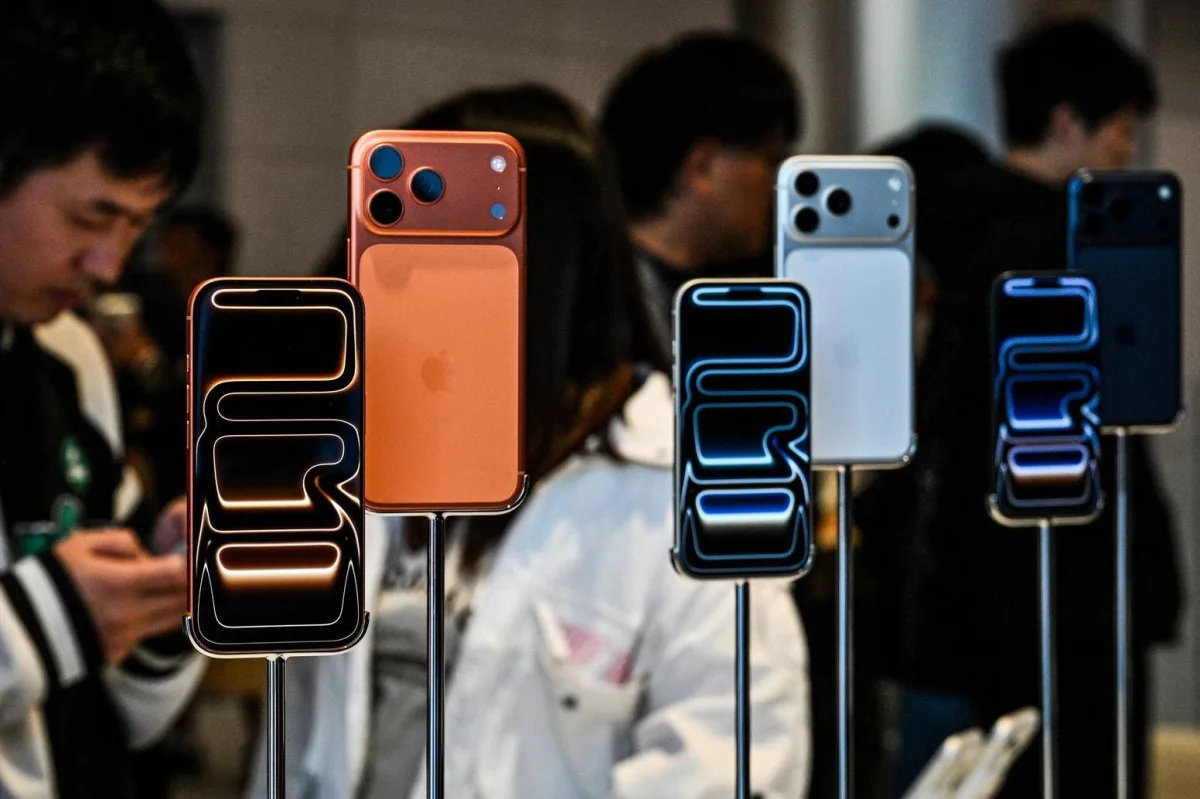
Apple is set to introduce a significant upgrade in its next iPhone, expected in September. The iPhone 18 Pro, iPhone 18 Pro Max, and the rumored first folding phone, possibly called the iPhone Ultra, will allegedly contain a new Apple-branded modem, the Apple C2. This modem will replace Qualcomm's and introduce advanced 5G over satellite capabilities, specifically 5G NR-NTN.
This technology integrates satellite connectivity directly with 5G cellular, promising a substantial upgrade for off-grid communication. It's expected to be a major improvement, as users won't have to manually switch between cellular and satellite connections.
One of the key benefits of 5G NR-NTN is that users may no longer need to manually point their phones at satellites. The new technology could enable the iPhone 18 Pro to automatically fall back to a satellite connection when cellular service is weak. This means users won't have to worry about finding a signal, as their phone could automatically switch to a satellite connection when necessary.
"Game-changer: Apple quietly adds Starlink to iPhones…giving users an alternative to their Globalstar service for off-grid communication. The key difference? No more pointing your phone at the sky
- Starlink works right from your pocket," said Mario Nawfal, a podcaster. He didn't say it's a potential game-changer - it's a fact that this technology will transform how we use our phones.
The addition of this service didn't install Starlink on iPhones, but rather meant that the carrier, T-Mobile, enabled the capability to access Starlink. However, the new modem could mean that users will have more comprehensive access to satellites, though in Apple's case, to Globalstar rather than Starlink. This could be a significant advantage for iPhone users, especially those who frequently find themselves in areas with limited cellular coverage.
This seamless, carrier-independent satellite access is being hailed as a potential game-changer for iPhone users. It could mean that they don't have to worry about finding a signal, as their phone could automatically switch to a satellite connection when necessary. This development will transform how we use our phones, especially when we're not near a cellular tower. It won't just be a minor upgrade - it'll be a major shift in how we communicate.
As 9to5Mac reported, "In addition to providing 5G cellular connectivity (replacing Qualcomm modems), C2 will also support 5G over satellite." Specifically, C2 is said to offer 5G NR-NTN, which integrates satellite connectivity with 5G cellular. This technology won't be limited to just the iPhone 18 Pro - it could pave the way for more widespread adoption of satellite connectivity.
The iPhone 18 Pro, iPhone 18 Pro Max, and the potential iPhone Ultra are expected to be announced in September. The new modem could be a significant selling point, especially for those who frequently find themselves in areas with limited cellular coverage. They won't have to worry about finding a signal, as their phone could automatically switch to a satellite connection when necessary.
But what does this mean for iPhone users? It could mean that they don't have to worry about finding a signal, as their phone could automatically switch to a satellite connection when necessary. It's a fact that this new development will transform how we use our phones, especially when we're not near a cellular tower. This isn't a question - it's a reality that iPhone users will soon face.
- The iPhone 18 Pro, iPhone 18 Pro Max, and the potential iPhone Ultra are expected to contain the new Apple C2 modem.
- The Apple C2 modem will replace Qualcomm's and introduce advanced 5G over satellite capabilities.
- 5G NR-NTN integrates satellite connectivity directly with 5G cellular.
- Users may no longer need to manually point their phones at satellites.
- The new technology could enable the iPhone 18 Pro to automatically fall back to a satellite connection when cellular service is weak.
In the context of satellite communication, this development is significant. It could pave the way for more widespread adoption of satellite connectivity, especially in areas with limited cellular coverage. This won't happen overnight - but it's clear that Apple is pushing the boundaries of what's possible with smartphone technology.
For now, it's clear that Apple is pushing the boundaries of what's possible with smartphone technology. And as we look to the future, it will be interesting to see how this new development shapes the way we communicate, especially in areas with limited cellular coverage. Apple's move into satellite communication could have significant implications for the wider tech industry.
As one analyst described it, this could be a "game-changer" for the company, enabling it to offer a unique feature that sets it apart from its competitors. It's not just a minor advantage - it's a major shift in how Apple approaches smartphone technology. This advancement could have a major impact on the way people communicate, especially in areas with limited cellular coverage. It's a fact that Apple's move into satellite communication will transform the tech industry.