

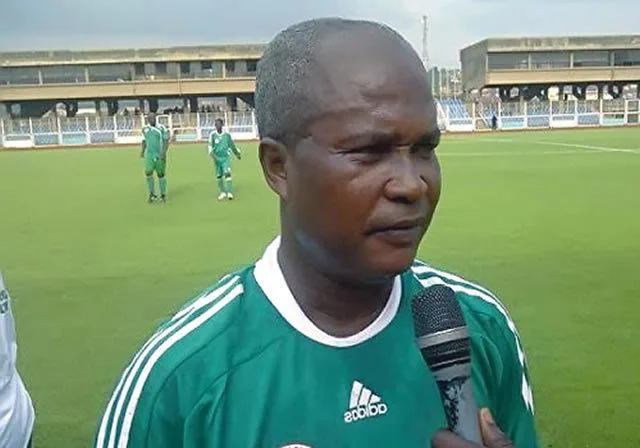
The Nigerian football community is mourning the loss of one of its greatest icons, Henry Nwosu. His passing on March 14, 2026, has sent shockwaves throughout the country, with many paying tribute to his remarkable life and career.
Henry's journey to becoming a football legend began in the early 1970s, in the aftermath of the Nigerian civil war. His family, like many others of Igbo origin, had temporarily relocated to Lagos due to the war. It was during this period that Henry's passion for football was ignited, and he began playing for Aguda Bombers, a local team.
One of Henry's earliest opponents was Paul Okoku, who would later become his teammate and close friend. Paul recounts their first encounter, describing Henry as a small but fearless player with exceptional skill and agility. Henry's impressive displays on the field earned him recognition, and he soon became known for his confidence, fearlessness, and outrageous skill.
Henry's football career was marked by numerous achievements, including being part of Nigeria's pioneering Green Eagles team that won the nation's first-ever AFCON title in 1980. He also helped Nigeria secure its first-ever AFCON silver medal outside home soil in 1984.
However, Henry's impact extended far beyond his football career. He was a devoted humanitarian, always willing to lend a helping hand. Through the Greater Tomorrow Children's Foundation, Henry was involved in various community outreach programs, including inter-house sports, football tournaments, food drives, and medical missions.
One of the most notable moments of Henry's humanitarian work was during the IDP football tournament, food drive, and medical outreach in Abuja for internally displaced children affected by insurgency. Henry shared his personal story of survival and perseverance, inspiring the children to strive for a better future.
The news of Henry's passing has been met with an outpouring of tributes from the football community and beyond. His legacy serves as a reminder of the power of football to unite and inspire people. As the Nigerian football community comes together to mourn the loss of one of its greatest icons, it's clear that Henry Nwosu's impact will be felt for generations to come.
Henry didn't just inspire people during his lifetime - he's still inspiring them now. 'Henry was loved in life. Henry is being honoured in death. That says everything.'
- Paul Okoku
The Unbreakable Four, a group of friends that included Henry, Stephen Keshi, Franklin Howard, and Sunday Benson, played a significant role in shaping Henry's life and career. Their bond, forged through shared experiences on and off the field, remained unbreakable until the end.
Henry's humility and dedication to his craft were qualities that earned him the respect and admiration of his peers. Even in the face of adversity, Henry remained committed to his values, inspiring those around him to do the same.
As the football community continues to mourn the loss of Henry Nwosu, it's essential to remember his achievements, his passion for the sport, and his unwavering commitment to his community. His legacy serves as a reminder of the transformative power of football and the impact one person can have on the lives of others.
Henry won't be forgotten - his legacy will live on. He's left behind a community that's grateful for his contributions, and his story will continue to inspire people for years to come.
- Henry Nwosu was a Nigerian football legend who passed away on March 14, 2026.
- He was part of Nigeria's pioneering Green Eagles team that won the nation's first-ever AFCON title in 1980.
- Henry helped Nigeria secure its first-ever AFCON silver medal outside home soil in 1984.
- He was a devoted humanitarian, involved in various community outreach programs through the Greater Tomorrow Children's Foundation.
- Henry's legacy extends far beyond his football career, inspiring countless individuals with his story of perseverance and dedication.
The football community won't stop talking about Henry Nwosu's achievements and legacy. They're a testament to his hard work and commitment to the sport he loved. He didn't just play football - he used it to make a difference in people's lives.