

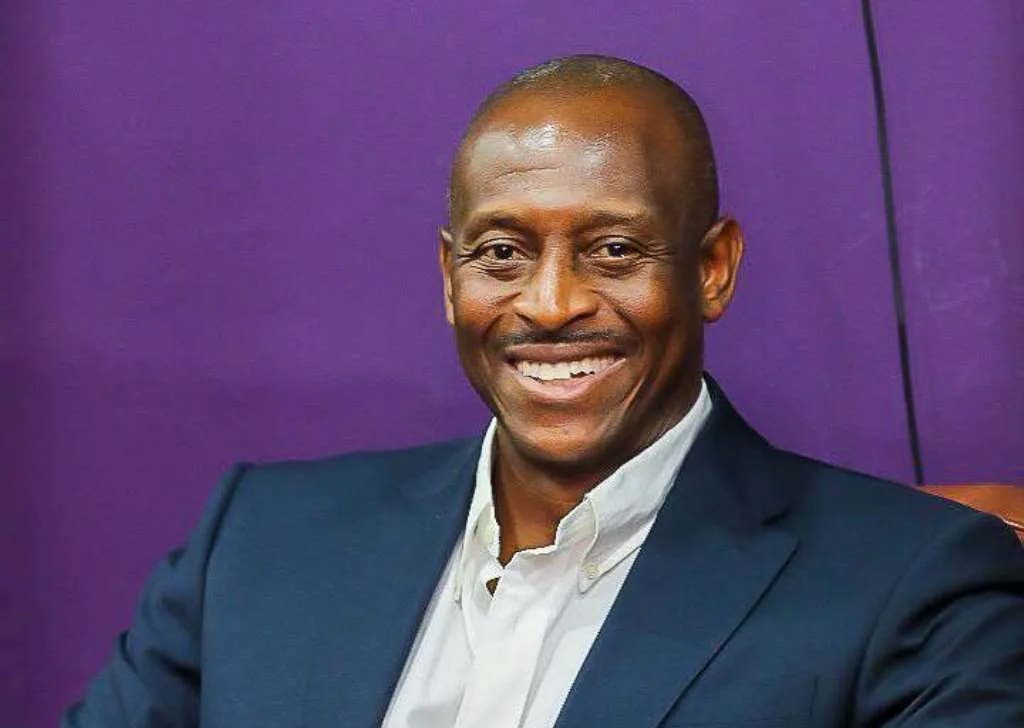
Herbert Mensah, the President of Rugby Africa and Chairman of World Rugby's Regions, has called on African nations to strengthen their governance, infrastructure, and youth development systems to achieve sustainable growth in sports. In a statement to mark Africa Day, Mr Mensah said Africa's aspirations for unity and integration must translate into measurable outcomes rather than symbolic declarations.
According to Mr Mensah, uneven investment, weak structures, and inadequate infrastructure continue to limit the continent's ability to achieve shared growth and competitive success. He stressed that success in sports is determined not only by performances on the field but by the quality of systems operating behind the scenes, including governance, planning, coaching structures, player welfare, and long-term investment.
The reality is simple: winning off the field matters just as much as winning on it. Mr Mensah warned that pressure for immediate results often leads to poor decision-making and weak long-term planning. He said sustainable sporting success requires disciplined structures rather than short-term urgency.
Mr Mensah also highlighted the importance of integration across African sports systems, arguing that geography, language barriers, and outdated selection models continue to restrict talent development across the continent. He cited South Africa as an example of how inclusive systems can strengthen sporting excellence.
But Mr Mensah argued that inclusion shouldn't be treated merely as a social objective but as a key driver of performance and growth. He further cautioned against development models imposed without regard for Africa's unique realities, stressing that African countries face different economic, logistical, and infrastructural challenges that require tailored solutions.
A one-size-fits-all development model can't work, Mr Mensah said. He underscored the strategic importance of investing in Africa's youth population, describing it as central to the future of global sport. Citing United Nations data indicating that Africa has the world's youngest population with a median age of about 19 years, he said sports organisations must invest heavily in schools, academies, and youth development systems if they hope to remain relevant.
Rugby is competing for attention, participation, and relevance, Mr Mensah said. If investment is directed into youth systems, school programmes, academies, and accessible pathways, Africa will become central to the future growth of the game.
Mr Mensah urged African leaders and sporting institutions to move beyond rhetoric and focus on measurable impact. It's no longer enough to speak about development in abstract terms, he said. Investment must translate into stronger coaching systems, better competitions, safer player welfare structures, and visible pathways for young athletes.
He added that Africa's long-term success in sports and development would ultimately depend on accountable leadership and durable systems capable of delivering lasting growth. So who is Herbert Mensah? He's a former football executive with experience in rugby and football administration. As President of Rugby Africa, he's seen the reality of Africa's sporting systems up close.
Yet Mr Mensah remains optimistic about Africa's potential for sporting success. With the right systems in place, he believes that Africa can achieve sustainable growth and competitive success in sports. And for Mr Mensah, it's not just about winning on the field; it's about building strong systems that can support Africa's sporting ambitions for generations to come.
Mr Mensah doesn't think it's enough to just have a vision for sporting success. He thinks you need a plan, and you need to invest in the right areas. He won't accept that Africa can't achieve its sporting goals, and he's committed to making a difference.
Key Facts
- Herbert Mensah is the President of Rugby Africa and Chairman of World Rugby's Regions.
- Africa has the world's youngest population with a median age of about 19 years.
- Mr Mensah argues that uneven investment, weak structures, and inadequate infrastructure limit Africa's ability to achieve shared growth and competitive success.
- He stresses that success in sports is determined by the quality of systems operating behind the scenes.
- Mr Mensah cites South Africa as an example of how inclusive systems can strengthen sporting excellence.
- He cautions against development models imposed without regard for Africa's unique realities.
- Mr Mensah underscores the strategic importance of investing in Africa's youth population.
- He urges African leaders and sporting institutions to move beyond rhetoric and focus on measurable impact.
- African countries can't develop without tailored solutions, and they won't succeed without strong leadership.
- Mr Mensah's vision for African sports is one of sustainable growth and competitive success.
- He believes that with the right approach, Africa can become a major player in global sports.