

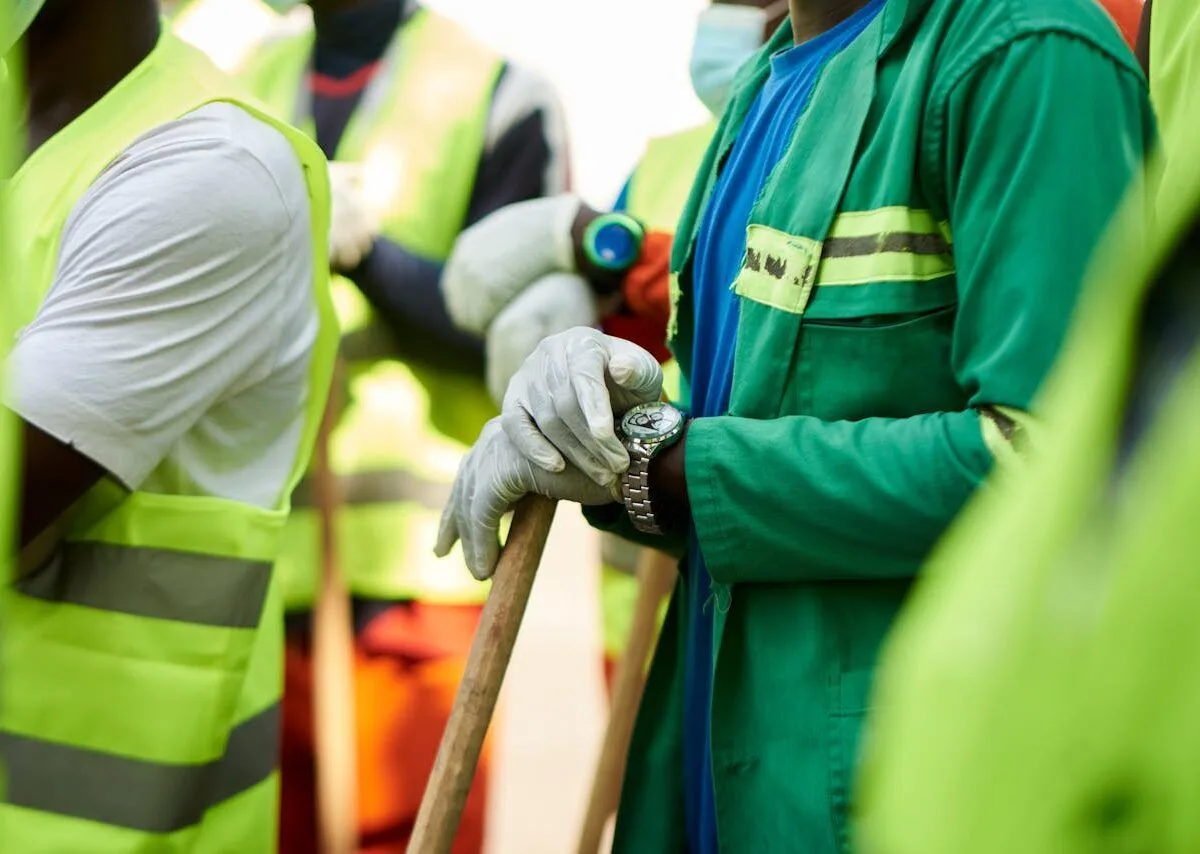
It's no secret that the heartbeat of many South African industries is sustained by workers from across the Limpopo. Whether you're grabbing a bite at a busy restaurant in Rosebank or driving past a new housing development in the Cape, the chances are high that a Zimbabwean hand helped make that experience possible. Workers from Zimbabwe have embedded themselves into the very fabric of our daily economy.
Agriculture remains the heavyweight champion in this story. In provinces like Limpopo, Mpumalanga, and the Western Cape, fruit farms and vineyards depend on a seasonal influx of labour to handle planting and harvesting. These jobs are tough, requiring long hours under the harsh African sun, but they offer a steady income that many find hard to secure back home. Some workers move with the seasons, heading back home during the quiet months, while others have put down roots, turning temporary housing into permanent homes within local farming communities.
The Domestic and Hospitality Connection
You'll find a strong, reliable contingent of Zimbabwean women in the professional childcare and cleaning sectors in cities like Joburg, Durban, and Cape Town. Many families here swear by their professionalism and the peace of mind they provide when it comes to managing the home. For some, these roles are a career in their own right, while for others, they serve as a vital bridge while they pursue further studies or wait for a foot in the door of more corporate spaces. They bring grit and determination to these roles.
Then there is the hospitality world, where Zimbabwean workers are often seen behind the bar or in the kitchen. Tourist hotspots across our major provinces lean heavily on this experience. These workers aren't just serving tables; many have moved into management, bringing their own unique flair and, in some instances, opening their own establishments. These restaurants have introduced diverse flavours to the South African culinary scene, making our food culture much more vibrant.
Skilled Labour and the E-Hailing Grind
Construction is another industry that wouldn't survive a single week without this workforce. You'll find skilled Zimbabwean labourers on site—the ones laying the bricks, welding the joints, and keeping the plumbing flowing. Some arrived with formal technical certifications from institutions back home, while others gained their mastery right here on the job. Contractors favor them for their willingness to put in the extra hours needed to get a project finished on time, often under high-pressure deadlines.
In our major cities, the rise of e-hailing and delivery apps has provided a new, flexible lifeline for Zimbabwean workers. Driving for platforms like Uber or Bolt has become a go-to for those who need to earn daily cash. The work is far from easy, though. Between the rising cost of fuel and the ever-present threat of crime, these drivers are essentially gambling their safety against the need to survive. The daily grind of e-hailing can be a high-risk, high-reward game that defines the modern hustle in Joburg's concrete jungle.
Professional Expertise and Informal Hustle
Zimbabwean teachers and nurses fill critical vacancies in our schools and clinics. When you walk into a public hospital in an underserved area, there's a good chance you're being treated by a professional who left their home to keep our healthcare system breathing. Their contribution to the academic success of our learners in Science and Mathematics is equally immense.
Then there is the informal sector—the lifeblood of so many families. From selling second-hand clothes at street corners to running small repair shops in the townships, Zimbabwean entrepreneurs are the definition of 'sharp'. Many also engage in cross-border trading, acting as a crucial link that keeps goods moving between the two countries. For these families, the ability to operate a small business isn't just about profit; it's the difference between having food on the table and going to bed hungry. They're the invisible engines of our local markets, often moving items that larger retail chains ignore entirely.