

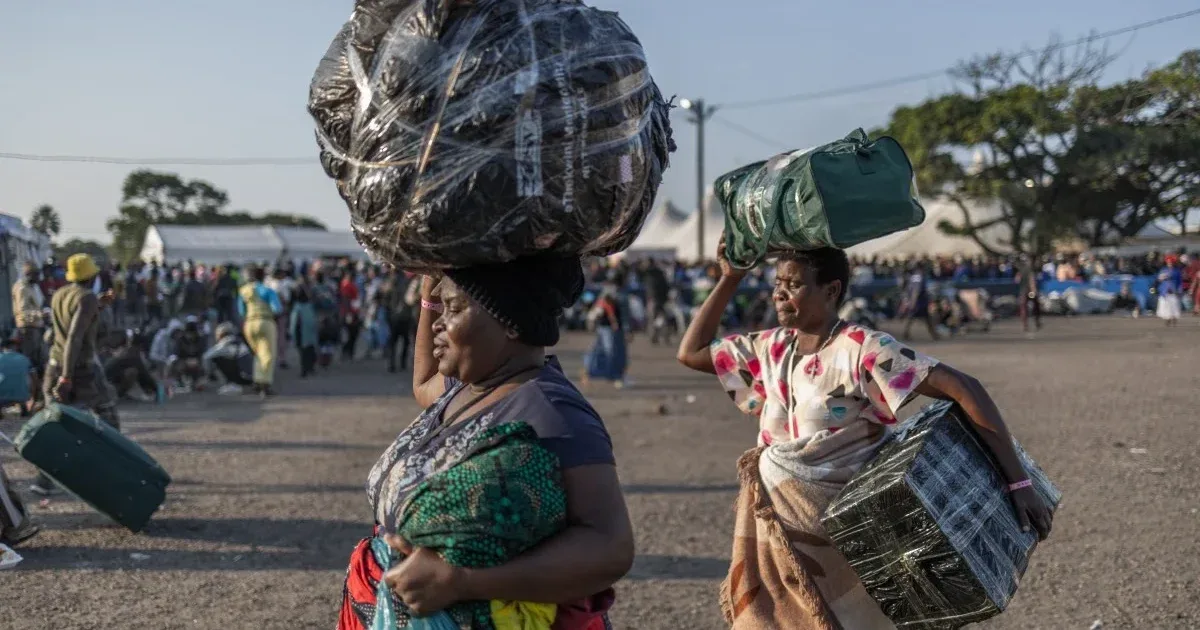
South African President Cyril Ramaphosa vowed on Thursday to crush any attempts to destabilize the nation during planned anti-immigrant marches next week, amid a wave of xenophobia. The anti-migrant campaign has already spurred voluntary repatriations of thousands of foreigners from elsewhere in Africa, including Ghana, Malawi, Mozambique, and Nigeria. Makeshift camps have mushroomed in the eastern port city of Durban and financial capital Johannesburg as thousands await transport to their home countries. Citizen-led groups have set Tuesday, 30, as a deadline for undocumented foreigners to leave and called for nationwide marches against illegal immigration, marking a crescendo in months of protests that have at times turned violent. The unofficial ultimatum has stoked fears of a resurgence of xenophobic violence that has claimed several lives in the past. The police have announced tightened security across the nation for June 30, while government officials have stepped up efforts to ensure calm, including meeting the influential Zulu Royal House. Competition for scarce work has fueled resentment, and some South Africans blame migrants for both poverty and crime. While Ramaphosa and major labour unions say migrants are being scapegoated for the country's problems, some politicians have seized on the issue to court populist support ahead of local elections later this year. Violence in 2019 saw armed mobs descend on foreign-owned businesses around Johannesburg, leaving at least 12 people dead — 10 of them South African citizens. Past flare-ups of violence targeting undocumented foreign nationals have been deadly, with 62 people killed in riots in 2008.
We will not tolerate any attempts to destabilise the country by anyone, whether marching or otherwise. Our security forces are ready, and those who transgress the measures that we are putting in place will definitely meet the might of the law. — President Cyril Ramaphosa
Ramaphosa has also vowed to ensure that the 30th of June is a normal day where people will be able to work, go about their business, and live without fear of violence. As South Africa deals with a severe unemployment rate of 32%, competition for scarce work has fueled resentment. While Ramaphosa and major labour unions say migrants are being scapegoated for the country's problems, some politicians have seized on the issue to court populist support ahead of local elections later this year.
The connection to Nigeria: As Nigeria is one of the countries where thousands of its citizens await repatriation, the xenophobic violence has a ripple effect across the continent. Many Nigerians, Malawians, Ghaneans, and other Africans rely on South Africa for economic opportunities.
Tightened Security: The police have announced tightened security across the nation for June 30, with a heavy police presence expected in major cities. The government is also working to ensure that the process of repatriation is smooth and efficient.
Repatriations: According to reports, thousands of foreigners from Ghana, Malawi, Mozambique, and Nigeria are awaiting repatriation. Many have already fled the country in a wave of voluntary repatriations.
History of Xenophobia: Xenophobia has a long history in South Africa, with several deadly flare-ups in the past. In 2019, violence targeting foreign-owned businesses left at least 12 people dead, while in 2008, 62 people were killed in riots targeting undocumented foreign nationals.