

The single sharpest fact in one or two punchy sentences. Who did what, where, when, and why it matters. Not a summary of everything — the one thing that makes someone stop scrolling. A reader who only reads this paragraph must understand what happened.
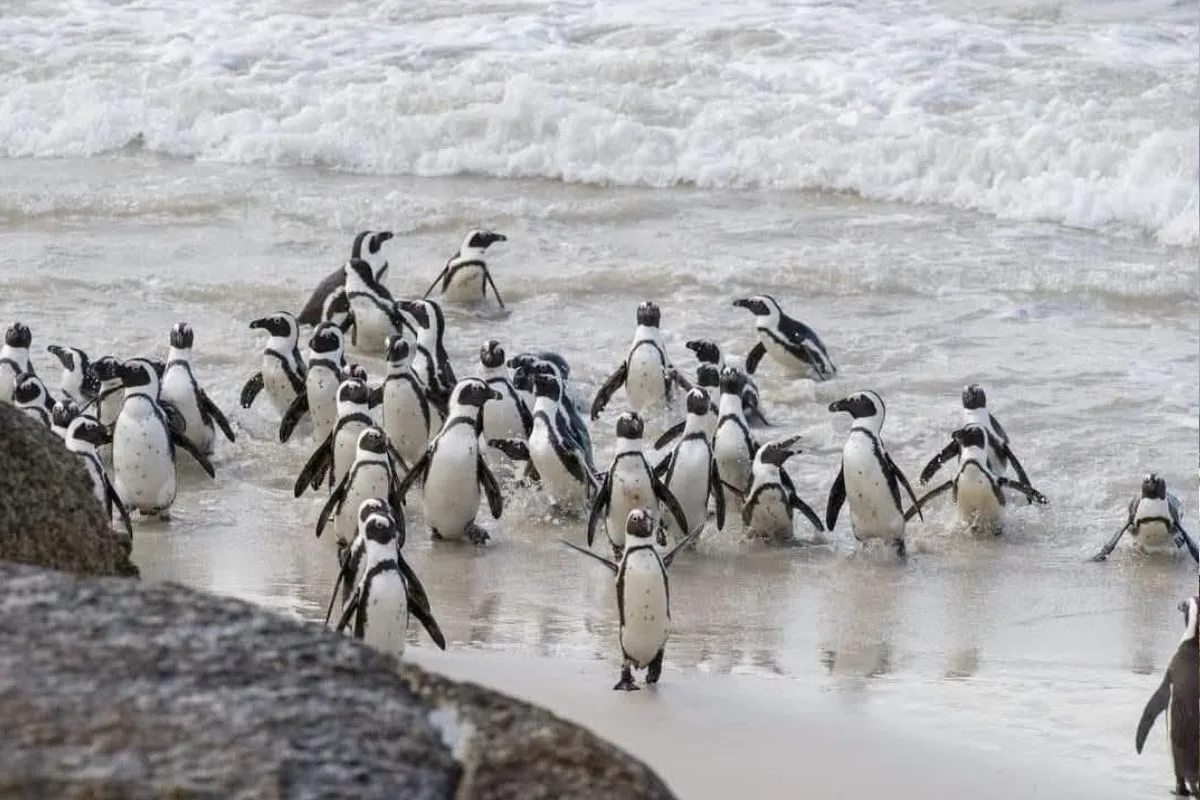
The latest annual African penguin census at Boulders in Table Mountain National Park recorded a welcome increase in numbers, with 790 breeding pairs in 2026, up from 698 breeding pairs in 2025. This is a rare piece of good news for a species facing an uncertain future. The increase of 92 breeding pairs comes at a crucial time for the critically endangered species, with fewer than 10 000 breeding pairs estimated to remain in the wild globally.
Encouraging signs at Boulders Beach colony African Penguin Population Grows at Boulders ColonyEncouraging results were recorded from the latest report of the 2026 annual African penguin census conducted at the Boulders colony in Table Mountain National Park.Using standardised, internationally recognised census methods...
The annual census was conducted in June by a collaborative team comprising SANParks, the Department of Forestry, Fisheries and the Environment (DFFE), the City of Cape Town, Cumic Rangers, the Southern African Foundation for the Conservation of Coastal Birds (SANCCOB), and volunteers. Using internationally recognised census methods, researchers estimated that the Boulders colony now supports approximately 2 528 individual penguins. That means the colony accounts for around 8% to 9% of South Africa's total African penguin population, underlining its importance to the survival of the species.
African penguins have experienced severe population declines over several decades and are now listed as critically endangered. The birds face a range of threats, including declining food supplies, changing environmental conditions, habitat loss, disease, predation and human-related pressures. Key prey species such as sardines and anchovies have become less available in some areas, making it increasingly difficult for penguins to find enough food to successfully breed and raise chicks.
Against this backdrop, the latest results from Boulders offer a measure of hope. While conservationists caution that a single year's increase does not mean the species is out of danger, the findings suggest that ongoing conservation efforts may be helping to stabilise the colony. Conservation work continues SANParks said the positive results reflect years of collaboration between conservation organisations, researchers, government departments and volunteers. Ongoing initiatives include habitat management, rehabilitation of sick and injured birds, disease monitoring, scientific research and environmental education programmes.
The colony's growth is a testament to the efforts of the collaborative team and the importance of conservation work in protecting the African penguin population. With continued support, there is hope for the long-term survival of this critically endangered species.
Key Facts
- 790 breeding pairs in 2026, up from 698 breeding pairs in 2025
- 92 breeding pairs increase
- Approximately 2 528 individual penguins in the colony
- 8% to 9% of South Africa's total African penguin population
- Critically endangered species with fewer than 10 000 breeding pairs remaining in the wild globally
- Ongoing conservation efforts include habitat management, rehabilitation of sick and injured birds, disease monitoring, scientific research and environmental education programmes
Long-term monitoring remains particularly important as scientists work to understand how penguin populations respond to changing environmental conditions and conservation interventions. While the increase in breeding pairs is encouraging, conservationists stress that African penguins remain one of the world's most threatened seabird species. With fewer than 10 000 breeding pairs left in the wild globally, continued action will be needed to prevent further declines and secure the future of the species.