

South Africa has announced plans to bill other countries — including Nigeria and Ghana — for the cost of deporting their nationals who violate the country's immigration laws.
The policy was disclosed by the Department of International Relations and Cooperation, but no date was given for when it was announced. The news was reported on 9 June by Channel Africa, a South Africa-based radio service.
"We'll also be billing countries for their foreign nationals who have to be deported or who are in our criminal detention facilities and have to be deported back into their countries," the department said.
According to South African authorities, more than 100,000 undocumented migrants have been deported over the past two years. That has put a serious financial strain on the state.
The government says it wants to recover the money spent on detaining and deporting these people.
"At least now we can see that there's capacity for countries to extract the foreign nationals who have fallen foul of the law. That's something that, through the Department of Home Affairs, we'll pursue as a government," the department added.
The announcement comes as several African countries have been evacuating their citizens from South Africa amid growing anti-immigrant sentiment and a crackdown on undocumented migrants.
On Wednesday, the first batch of 258 Nigerians evacuated from South Africa arrived in Lagos. Ghana has also recently brought back about 1,000 of its citizens. Reports say other African countries have done the same.
The new cost-recovery measure is part of a broader push by President Cyril Ramaphosa's administration to tighten immigration enforcement.
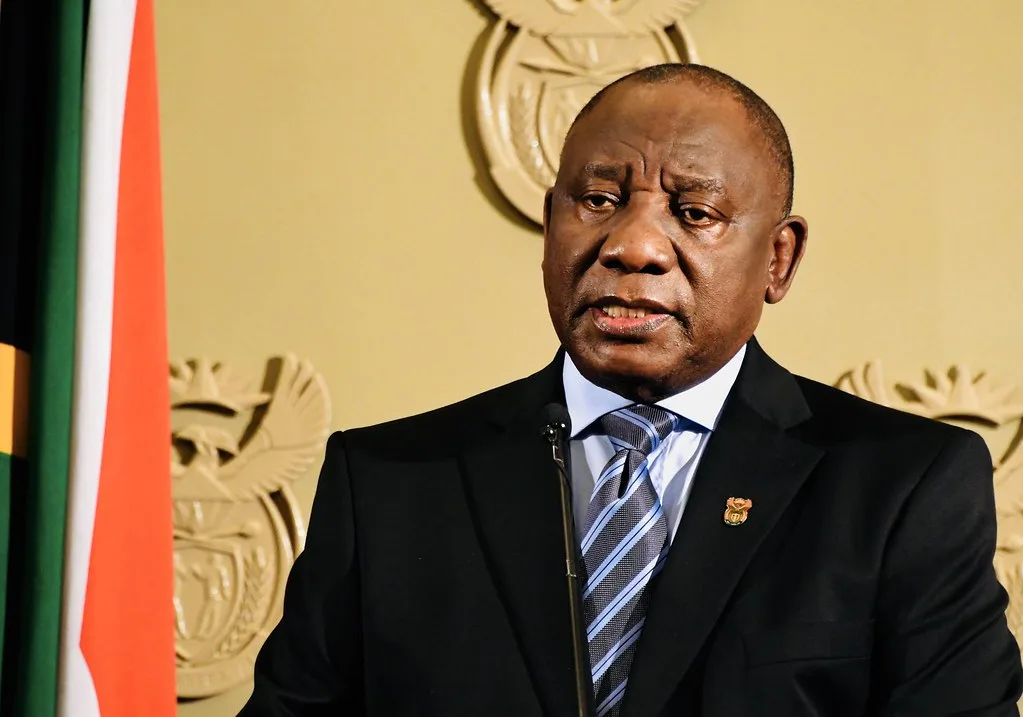
In a national address on migration, Ramaphosa said government agencies would intensify efforts to find and deport undocumented foreigners living illegally in the country, the BBC reported.
"I must make it clear that only the authorised government officials may act against violations of the law, including violations of our immigration laws," the president said.
South African authorities insist that enforcing immigration laws is a matter of national sovereignty. They've repeatedly defended deportations as lawful and necessary.
The new policy is expected to stir discussions among African governments about migration management, diplomatic relations, and who bears the financial burden of deportations.
For Nigeria, the move adds another layer of tension in the relationship between Africa's two largest economies. The evacuation of 258 Nigerians is just the beginning — the federal government has said it's coordinating a larger repatriation exercise.
It isn't yet clear how much South Africa plans to charge per person or how it will enforce the billing. But the message is clear: if your citizens break the rules, your government will pay to take them back.