

The single sharpest fact in one or two punchy sentences. Who did what, where, when, and why it matters. Not a summary of everything — the one thing that makes someone stop scrolling. A reader who only reads this paragraph must understand what happened.
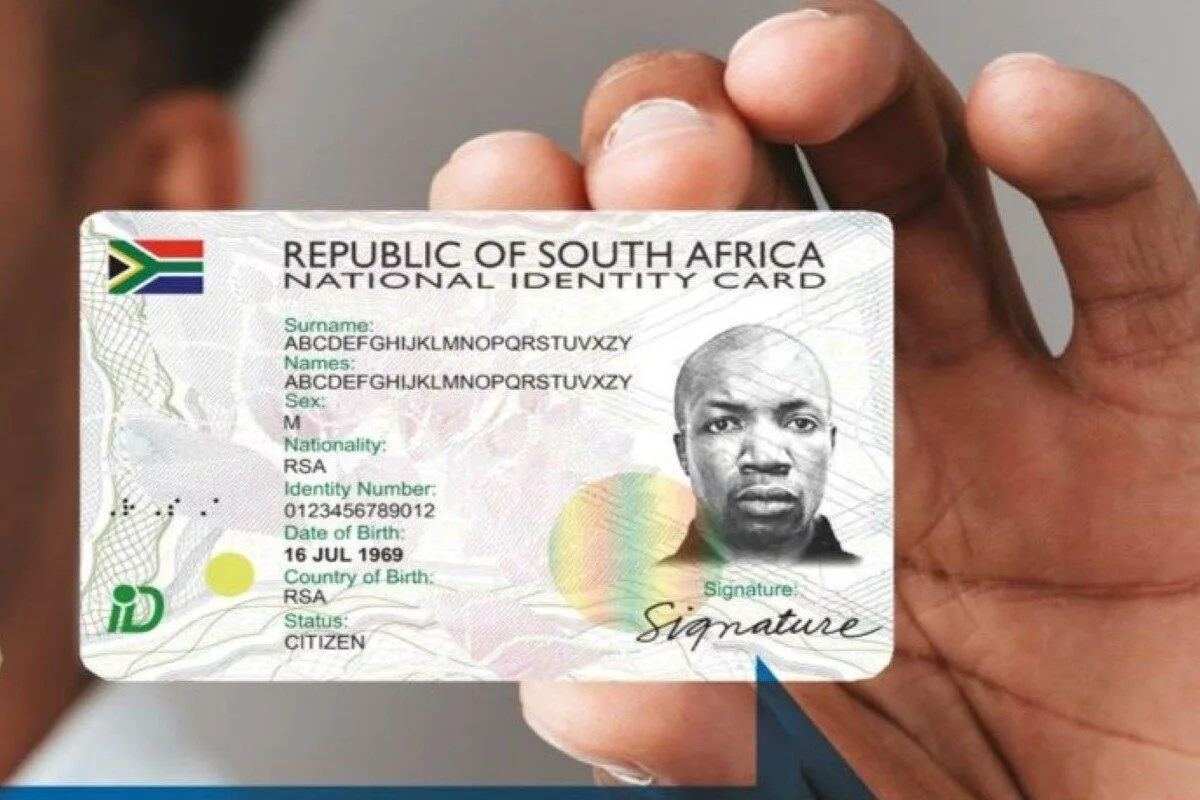
Home Affairs has confirmed that 296 bank branches nationwide are now enabled to process Smart ID applications. This number has grown sharply since a small pilot group just four months ago. Four banks are part of this network: Capitec, Standard Bank, First National Bank, and now Absa. Absa's rollout started small, with just 12 branches enabled so far. A further 60 Absa branches are expected to come online before the end of 2026, adding to the hundreds already offered by Capitec, Standard Bank, and FNB since the programme's earlier phases.
The department's Digital Partnership Model, which enables the expansion of the Smart ID service across more bank branches, has been a game-changer. The model allows Home Affairs to partner with banks and expand their services to a wider audience. The growth of this partnership is directly linked to the uptake of the Smart ID service. Since its inception, more than 385,000 Smart ID applications have been processed. This shows South Africans are embracing a faster, more secure, and more convenient way of accessing Home Affairs services.
Absa's new service is set to extend Smart ID access to communities without a nearby participating branch. The bank has launched a mobile service called Bank on the Move. Further details on how the service will work are expected to be shared at a dedicated launch event.
Home Affairs Minister Dr Leon Schreiber said:
'The rapid expansion of our Digital Partnership with the banking sector demonstrates the success of our vision to transform Home Affairs service delivery fundamentally through digital innovation.'
The Department of Home Affairs is 'bringing secure and dignified access to Smart ID services closer to where people live and work than ever before.' This means South Africans will no longer have to go to the Home Affairs office to apply for a Smart ID. A full 750 participating branches across all four banks are expected by the end of 2026.
This growth is part of Home Affairs @ home, a wider reform programme aimed at transforming the service delivery of Home Affairs through digital innovation. The programme has been in the works for some time, with its goals and objectives slowly being met. The Department of Home Affairs has confirmed that the number of participating branches will grow to 750 by the end of 2026. This is a significant expansion of the service.
Key Facts
- 296 bank branches have been enabled to process Smart ID applications.
- 385,000 Smart ID applications have been processed in four months.
- A further 60 Absa branches are expected to come online by the end of 2026.
- 750 participating branches are expected across all four banks by the end of 2026.
- The service is being expanded across Capitec, Standard Bank, First National Bank, and Absa branches.