

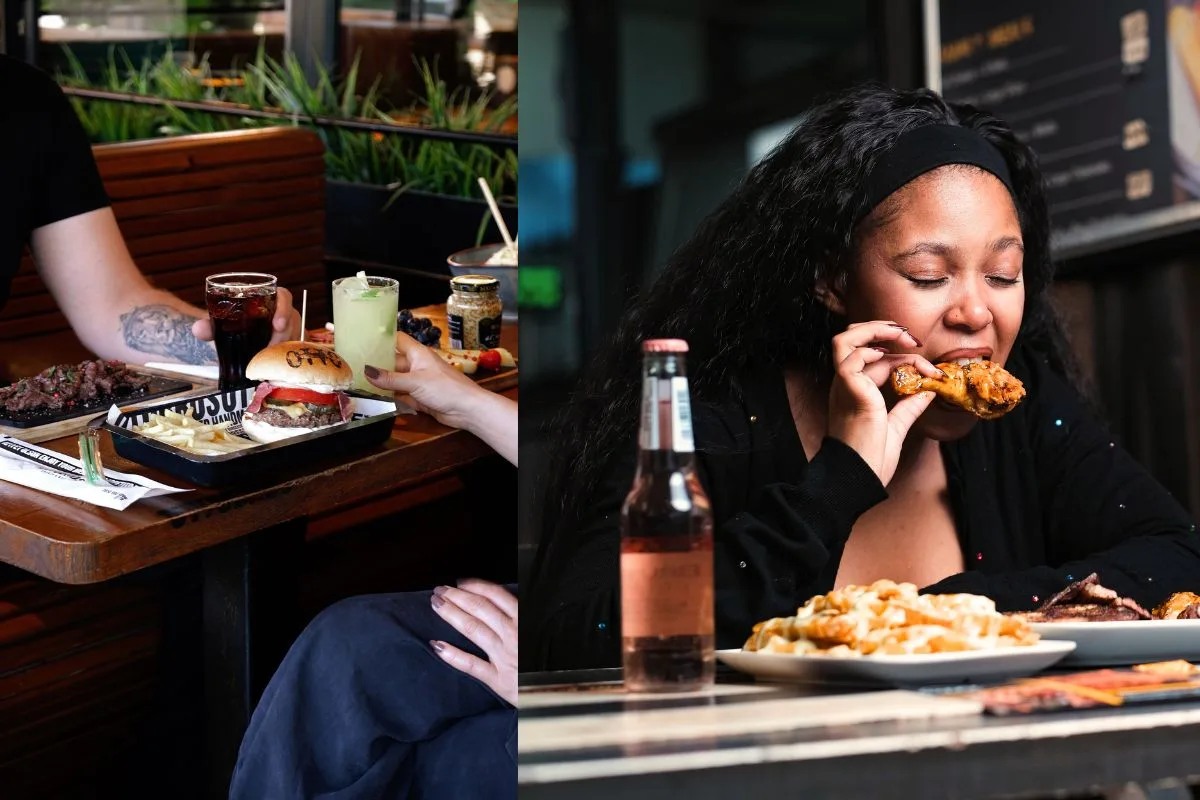
Stats SA Reveals Grim Restaurant Sales Data
Stats South Africa (Stats SA) released a report on Thursday, June 25, 2026, revealing a 2.1% decline in restaurant and fast-food income in April. This is not an isolated incident, as month-on-month figures also showed a 3% decline in restaurant sales compared to March.
The restaurant and food service industry, which includes coffee shops, fast food outlets, and bars, experienced a significant downturn. Income in this sector decreased by 2.2% in April, marking a continuing decline. The three months ended April 2026 saw a 1.4% decline compared to the previous three months.
Restaurants were the hardest hit, generating R10.3 billion between November 2025 and January 2026, but only R10 billion in the three months leading up to April. This sharp decline raises concerns about the economic stability of South Africa.
### Inflation and Wage Stagnation: The Real Culprits?
Consumers are facing rising debt burdens and the impact of inflation on their spending habits. According to data from Codera Analytics, the median wage in South Africa increased by a mere 0.2% in the 11 years between 2011 and 2022. In contrast, inflation skyrocketed by 5.13% year-over-year during the same period.
Consumers are prioritizing essential expenses like housing, transport, and education, but spending on discretionary items like food, alcohol, and restaurants is dwindling. The growth in these categories has declined, indicating a lack of spending power among consumers.
### South Africa Avoids Official Recession (for now)
While the restaurant industry decline is cause for concern, South Africa has technically avoided an official recession. The country requires two consecutive quarters of negative growth to be classified as being in a recession. South Africa's GDP grew by 0.4% in the fourth quarter of 2025 and 0.5% in the first quarter of 2026.
The recent upgrade by Fitch to South Africa's investment-grade status suggests positive global sentiment about the country. However, the country remains in junk status, and consumers' spending power will be a crucial indicator of the economy's resilience.
### The Real Indicator?
Netizens are pointing to actions like packing lunch and going live on TikTok as indicators of a potential recession. However, economic data, such as the decline in restaurant income, should be the primary concern.
Is South Africa heading toward a recession? The decline in restaurant income is a worrying sign, but the country's GDP growth and Fitch upgrade suggest that the situation is more complex. Consumers' spending power and their ability to cope with inflation and rising debt burdens will be the real indicators of the country's economic stability.
### Key Facts:
- Restaurant and fast-food income declined 2.1% in April 2026.
- Month-on-month figures showed a 3% decline in restaurant sales compared to March.
- Income in the restaurant and food service industry decreased by 2.2% in April.
- The three months ended April 2026 saw a 1.4% decline compared to the previous three months.
- Restaurants generated R10.3 billion between November 2025 and January 2026 but only R10 billion in the three months leading up to April.
- The median wage in South Africa increased by 0.2% in the 11 years between 2011 and 2022, while inflation grew by 5.13% year-over-year.
- Consumers are prioritizing essential expenses like housing, transport, and education, but spending on discretionary items like food, alcohol, and restaurants is dwindling.