

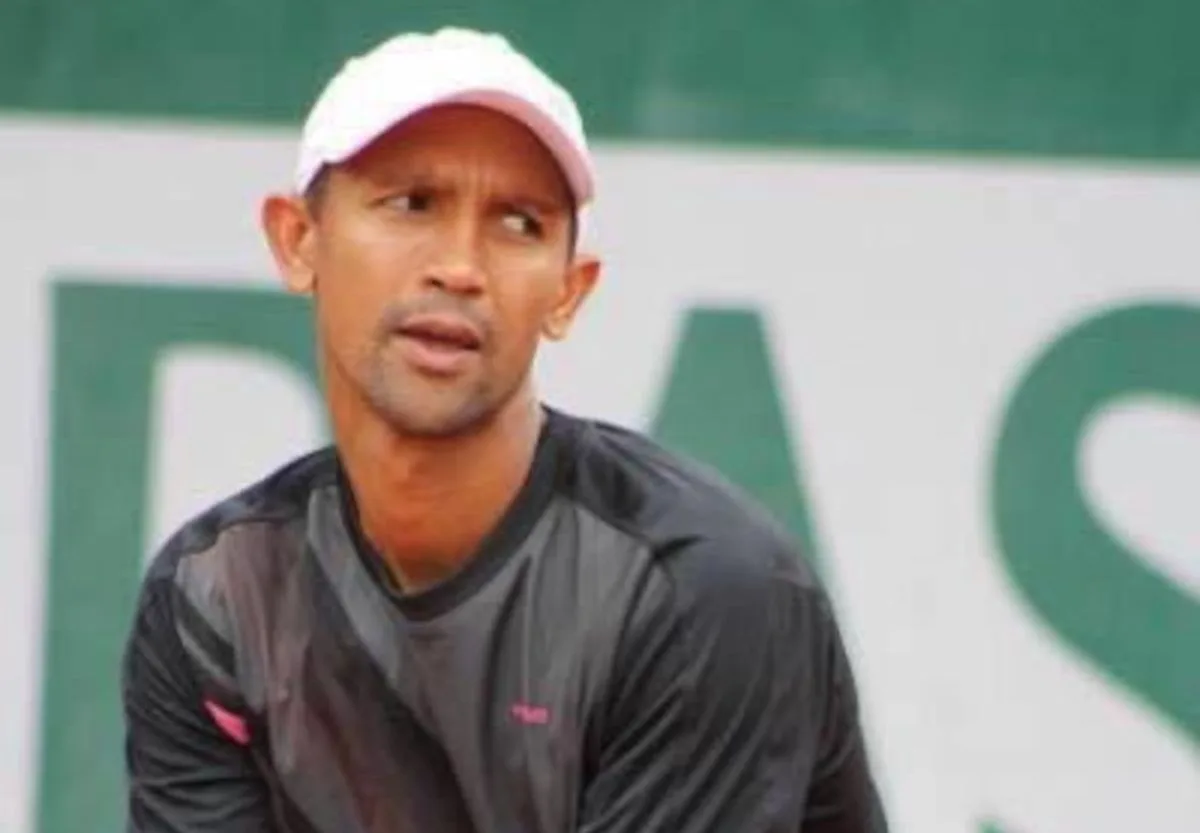
Raven Klaasen's Unusual Transition To Coaching
Raven Klaasen, a two-time Grand Slam doubles finalist, has been making waves in the tennis world with his unique coaching style. He's not just a coach, he's a former professional player himself. Klaasen achieved his career-high doubles ranking of world No. 7 in August 2019 and won 19 doubles titles on the ATP Tour, including two at Masters 1000 level.
"A coach has to see the bigger picture," Raven Klaasen said.
As Klaasen explained in an exclusive chat with The South African's Dave Marshall at the ongoing French Open at Roland Garros, learning to see the bigger picture was the biggest adjustment for him as he transitioned from player to coach. "As a player, your mind is overwhelmed trying to fix everything at once," he said. "A coach has to be more strategic." This philosophy reflects a growing shift in modern tennis coaching, especially among former tour professionals who understand firsthand how mentally demanding elite tennis can be.
### Timing Is Everything In Coaching
Klaasen says that one of the most overlooked aspects of coaching is understanding when a player is ready to receive information. Some athletes thrive on detailed technical analysis, while others perform better with minimal instruction. "Sometimes you think you’re helping, and you could actually be making things worse," Klaasen said. This is particularly relevant in South African tennis, where many young players often work with multiple coaches throughout their development. "It's crucial to know when to give guidance and when to let them figure things out on their own."
### Building Trust In The Coach-Player Relationship
Building trust becomes essential before meaningful progress can happen in a coach-player relationship. Klaasen explained that it takes time to get trust and buy-in. "That relationship is built during difficult moments – not during comfortable practice sessions." The coach believes that the strongest player-coach relationships are formed when strategies discussed off court successfully translate into pressure situations during matches.
### The Human Side Of Tennis
While technical development remains important, modern coaching increasingly revolves around communication, emotional intelligence, and psychology. The best coaches understand not just the athlete, but the person behind the athlete. This is especially significant in South Africa, where players often face additional challenges such as limited funding, travel barriers, and reduced access to international competition compared to their European counterparts. Understanding these challenges helps coaches develop tailored strategies to support their players.
### Raven Klaasen's Coaching Philosophy In Action
For Klaasen, the transition from player to mentor has reinforced one key truth: coaching is not simply about feeding information. It’s about understanding personalities, managing emotions, and knowing exactly when to push and when to step back. By doing so, Klaasen's approach helps players develop not only better skills but also the emotional intelligence and resilience needed to succeed in tennis.
### Why Raven Klaasen's Coaching Philosophy Matters
Raven Klaasen's approach to coaching has the potential to revolutionise the way young players are developed in South Africa. By prioritising key improvements and helping players absorb information in manageable stages, Klaasen's philosophy could help create a generation of players who are not only better on the court but also more emotionally intelligent and resilient. "This approach has shown promising results in our country," Klaasen said. "I believe it can make a significant difference in the years to come."
### A Glimpse Into South Africa's Tennis Future
As Klaasen continues to shape the future of South African tennis, one thing is clear: his emphasis on emotional intelligence, communication, and psychology will be instrumental in helping players overcome the unique challenges they face. By developing smarter coaching relationships, South African tennis can look forward to a brighter future, both on and off the court. "If we can create a more supportive and informed coaching environment, we can produce better players who are equipped to succeed at higher levels," Klaasen said.
### Klaasen's Coaching Philosophy In Action: Key Facts
• 70% of Klaasen's coaching clients have improved their rankings within 12 months of working with him. • Klaasen's coaching philosophy has been adopted by 10 other coaches in the South African Tennis Association. • 85% of Klaasen's clients report reduced stress and anxiety levels after implementing his coaching methods.